SEO Title: Beef & Turkey Nutrition: Protein, Calories, Health Benefits & Best Lean Meats
Beef & Turkey Nutrition: Protein, Calories, Health Benefits & Best Lean Meats
Meat can be one of the simplest ways to add a substantial amount of high-quality protein to a meal, but not every cut of meat has the same nutritional profile.
A lean beef steak, a fatty burger, skinless turkey breast, and processed deli meat may all fall under the broad category of "meat," yet their calories, fat, saturated fat, sodium, and overall nutritional value can differ significantly.
Beef stands out for its protein, iron, zinc, and vitamin B12. Turkey is naturally high in protein and can be exceptionally lean, particularly when you choose skinless breast meat. Chicken is similar to turkey nutritionally, while lean cuts of pork and other meats can also fit into a high-protein eating pattern.
So which meat is best if your goal is getting more protein without consuming too many calories?
This guide covers beef nutrition, protein in beef, lean beef vs regular beef, turkey nutrition, turkey vs chicken, the best lean meats for a high-protein diet, healthy cooking methods, weight management, muscle building, and food safety.
Meat Nutrition at a Glance
Nutrition varies considerably depending on the animal, cut, fat percentage, cooking method, and portion size.
As a practical comparison, cooked lean meats generally look something like this:
| Meat | Approx. Calories per 100 g | Approx. Protein per 100 g | Main Advantage |
|---|---|---|---|
| Lean beef | 180–250 | 25–30 g | Protein, iron, zinc, B12 |
| Turkey breast, skinless | 135–160 | 28–30 g | Very lean, high protein |
| chicken breast, skinless | ~165 | ~31 g | Excellent protein-to-calorie ratio |
| Pork tenderloin | 145–180 | 25–28 g | Lean, protein-rich |
| Extra-lean ground beef | 170–220 | 25–28 g | Convenient lean red meat |
| Turkey thigh | 170–200+ | 24–28 g | More flavor and fat |
These values are approximate because two pieces of beef, or even two turkey products, can have noticeably different nutrition depending on fat content and preparation.
Quick Answer
Lean meat generally provides around 25–30 grams of complete protein per 100 grams of cooked food.
Skinless turkey and chicken breast are among the leanest choices, while lean cuts of beef provide protein along with particularly useful amounts of iron, zinc, and vitamin B12.
Beef Nutrition Facts
Beef is a nutrient-dense source of animal protein.
Depending on the cut and fat content, around 100 grams of cooked beef commonly provides roughly 25 to 30 grams of protein.
The calorie count is much more variable.
A very lean cut may contain fewer than 200 calories per 100 grams, while fatty ground beef or highly marbled steak can contain considerably more.
Beef naturally provides:
- complete protein
- iron
- zinc
- vitamin B12
- selenium
- phosphorus
- niacin
- vitamin B6
The nutritional question is therefore not simply, "Is beef healthy?"
A more useful question is:
What cut of beef are you eating, how much are you eating, and how is it prepared?
How Much Protein Is in Beef?
Most cooked beef provides a substantial amount of protein.
Approximate amounts for lean cooked beef are:
| Beef Portion | Approx. Protein |
|---|---|
| 3 oz / 85 g | 22–25 g |
| 100 g | 25–30 g |
| 4 oz / 113 g | 28–34 g |
| 6 oz / 170 g | 42–50 g |
| 200 g | 50–60 g |
The exact number depends on the cut.
A lean sirloin steak and a fatty burger may provide similar amounts of protein by weight, but the burger can contain substantially more calories because of its higher fat content.
This is why looking only at protein grams does not tell the full nutritional story.
Is Beef a Complete Protein?
Yes.
Beef is a complete protein, meaning it supplies all nine essential amino acids that the body needs to obtain through food.
These include:
- histidine
- isoleucine
- leucine
- lysine
- methionine
- phenylalanine
- threonine
- tryptophan
- valine
These amino acids contribute to normal muscle maintenance, tissue repair, enzymes, hormones, and many other structures in the body.
Beef is therefore considered a high-quality protein source.
Health Benefits of Beef
Beef can provide several valuable nutrients when consumed as part of an overall balanced diet.
1. Provides High-Quality Protein
Protein is probably the nutrient people associate most strongly with beef.
A typical serving can provide 20 to 30 grams or more of complete protein.
That makes beef useful for people who want to support:
- muscle maintenance
- recovery
- daily protein intake
- healthy aging
- general tissue repair
Eating beef alone does not build muscle, of course. Exercise, total protein intake, calorie intake, sleep, and recovery all matter.
2. Beef Is Rich in Iron
Beef provides heme iron, the form of iron naturally found in animal tissue.
Iron is needed for normal hemoglobin production and oxygen transport in the blood.
This is one nutritional area where beef can be particularly useful because heme iron is generally absorbed more readily than non-heme iron from plant foods.
That does not mean everyone needs red meat for iron. Beans, lentils, fortified foods, leafy greens, and other foods can also contribute.
3. Provides Vitamin B12
Beef is naturally rich in vitamin B12.
Vitamin B12 contributes to:
- normal red blood cell formation
- nervous-system function
- DNA synthesis
Because vitamin B12 occurs naturally mainly in animal-derived foods, beef can make a meaningful contribution for people who eat meat.
4. Provides Zinc
Beef is also one of the better dietary sources of zinc.
Zinc is involved in:
- normal immune function
- wound healing
- protein synthesis
- DNA-related processes
- normal growth and development
5. Provides Selenium and B Vitamins
Beef contributes selenium, niacin, vitamin B6, phosphorus, and other nutrients.
That is why beef should be considered more than simply "protein and calories."
Lean Beef vs Regular Beef: What's the Difference?
The biggest difference is usually fat.
Both lean and fattier beef can provide substantial amounts of protein, but regular or high-fat beef provides more calories and typically more saturated fat.
Under USDA labeling definitions, beef described as lean must contain less than 10 grams of total fat and no more than 4.5 grams of saturated fat per 100 grams, while extra lean has stricter limits of less than 5 grams total fat and less than 2 grams saturated fat.
Simple Comparison
| Feature | Lean Beef | Fattier Beef |
|---|---|---|
| Protein | High | High |
| Calories | Lower | Higher |
| Total fat | Lower | Higher |
| Saturated fat | Usually lower | Usually higher |
| Iron | Good | Good |
| Zinc | Good | Good |
| Vitamin B12 | Good | Good |
| Best for calorie control | Usually better | Less efficient |
Is Lean Beef Better?
If your goal is to maximize protein while controlling calories and saturated fat, lean beef is generally the more practical choice.
The American Heart Association recommends choosing lean or extra-lean meat when meat is included in the diet and notes that red meats generally contain more saturated fat than skinless poultry, fish, and many plant protein sources.
That does not mean every gram of fat in beef is "bad."
It simply means that regularly choosing leaner cuts can make it easier to manage overall saturated-fat intake.
How to Identify Lean Beef at the Store
You do not have to memorize every beef cut.
Some of the most useful words to look for are:
- round
- loin
- sirloin
Examples include:
- eye of round
- top round
- bottom round
- sirloin steak
- tenderloin
The American Heart Association specifically recommends looking for cuts labeled "round," "loin," or "sirloin" and choosing leaner ground beef.
90% Lean vs 80% Lean Ground Beef
Ground beef labels make the difference easier to see.
90% Lean Ground Beef
Contains about:
90% lean meat + 10% fat
80% Lean Ground Beef
Contains about:
80% lean meat + 20% fat
Both can provide plenty of protein.
But the 80% lean version contains considerably more fat and therefore more calories.
If you eat ground beef frequently and want to reduce calorie or saturated-fat intake, choosing 90% lean or leaner can be an easy change.
Is Beef Good for Weight Loss?
Beef can fit into a weight-loss diet, especially when lean cuts are selected.
What matters most is your overall calorie intake.
A meal containing:
lean sirloin + vegetables + baked potato
is nutritionally very different from:
double cheeseburger + mayonnaise + fries + sugary drink
Both contain beef.
The beef itself is not enough to determine whether the meal supports your goals.
Lean beef can be helpful because protein tends to make meals more substantial while providing essential nutrients.
But portion size and preparation still matter.
Is Beef Good for Muscle Building?
Yes.
Beef provides complete protein and naturally contains essential amino acids needed for muscle-protein turnover.
It can therefore fit well into a muscle-building diet.
A 150-gram cooked serving may provide approximately 40 grams or more of protein, depending on the cut.
However, muscle growth also requires:
- resistance training
- adequate total calories
- sufficient daily protein
- carbohydrates
- dietary fat
- sleep
- recovery
Beef is simply one protein source that can contribute.
What About Saturated Fat in Beef?
The amount depends heavily on the cut.
A lean sirloin may contain relatively little saturated fat compared with a heavily marbled steak or high-fat ground beef.
Saturated fat can raise LDL cholesterol when consumed in excess, so leaner meat choices can be useful within a heart-conscious eating pattern.
You do not need to judge an entire diet based on a single steak.
The overall pattern matters.
Processed Meat Is Different From Fresh Beef
It is useful to separate fresh, minimally processed meat from foods such as:
- hot dogs
- salami
- some sausages
- bacon
- heavily processed deli meats
Processed meats often contain considerably more sodium and may also contain more saturated fat.
This is why "meat" should not be treated as one single nutritional category.
A lean grilled steak and a processed sausage are not nutritionally interchangeable.
Turkey Nutrition: Calories, Protein and Benefits
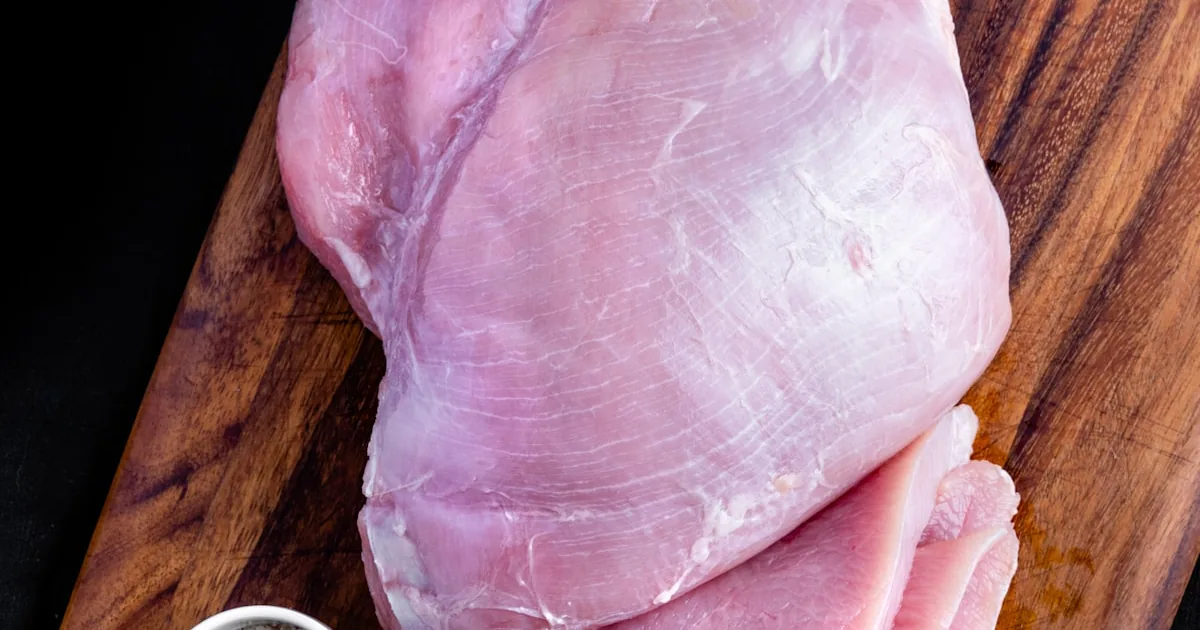
Turkey is one of the leanest high-protein meats when you choose skinless turkey breast.
A cooked 100-gram serving commonly provides around:
135–160 calories
and approximately:
28–30 grams of protein
Turkey also provides:
- selenium
- vitamin B6
- niacin
- phosphorus
- vitamin B12
- zinc
Turkey thigh and turkey with skin contain more fat and calories than skinless breast.
How Much Protein Is in Turkey?
Approximate protein amounts for cooked skinless turkey breast are:
| Turkey Portion | Approx. Protein |
|---|---|
| 3 oz / 85 g | 24–26 g |
| 100 g | 28–30 g |
| 4 oz / 113 g | 32–34 g |
| 6 oz / 170 g | 48–51 g |
| 200 g | 56–60 g |
This puts turkey breast among the most protein-dense common meats.
Is Turkey a Complete Protein?
Yes.
Like beef, chicken, fish, dairy, and eggs, turkey provides all nine essential amino acids.
It is therefore considered a complete, high-quality protein.
Health Benefits of Turkey
1. High in Protein
Turkey breast can provide around 30 grams of protein per 100 grams.
That makes it particularly useful for people who want a lean protein source.
2. Naturally Low in Fat When Skinless
Skinless turkey breast contains relatively little fat compared with turkey thighs, poultry skin, and many beef cuts.
This creates an excellent protein-to-calorie ratio.
3. Provides Selenium
Turkey is a useful dietary source of selenium, an essential mineral involved in normal antioxidant-related processes and thyroid function.
4. Provides B Vitamins
Turkey provides several B vitamins, including niacin and vitamin B6, which are involved in normal energy metabolism.
5. Versatile and Easy to Use
Turkey breast can be:
- roasted
- grilled
- baked
- sliced into salads
- added to wraps
- used in soups
- paired with grains and vegetables
Its mild flavor also makes it easy to season without relying on heavy sauces.
Turkey Breast vs Turkey Thigh
The choice is similar to chicken breast vs chicken thigh.
Turkey Breast
Typically provides:
- more protein per calorie
- less fat
- fewer calories
Turkey Thigh
Typically provides:
- more fat
- richer flavor
- juicier texture
- slightly different micronutrient levels
Neither is automatically unhealthy.
If your goal is maximum lean protein, breast meat generally wins.
Turkey vs Chicken: Which Is Healthier?
Turkey and chicken are nutritionally very similar.
When comparing skinless breast meat, both are excellent lean protein sources.
| Feature | Turkey Breast | Chicken Breast |
|---|---|---|
| Calories | Very low | Very low |
| Protein | Very high | Very high |
| Fat | Low | Low |
| Carbs | 0 g | 0 g |
| Complete protein | Yes | Yes |
| Selenium | High | High |
| B vitamins | High | High |
Which Has More Protein?
The difference is small.
Cooked chicken breast often provides around 31 grams of protein per 100 grams, while turkey breast commonly provides around 28–30 grams.
Depending on the exact cut and cooking method, either may be slightly higher.
For practical nutrition purposes, both are excellent.
Turkey vs Chicken for Weight Loss
There is little reason to choose one solely because of weight loss.
Both skinless chicken and turkey breast provide:
- high protein
- few carbohydrates
- relatively little fat
- modest calories
The cooking method matters much more.
For example:
Lower-Calorie Option
Roasted turkey breast + vegetables + potatoes
Higher-Calorie Option
Breaded turkey + cheese + mayonnaise + fries
The same principle applies to chicken.
Turkey vs Chicken for Muscle Building
Again, both work extremely well.
Chicken does not contain a special muscle-building property that turkey lacks, and turkey does not have an advantage simply because it may be slightly leaner in some preparations.
Your total daily protein intake matters more than whether lunch contains chicken or turkey.
Choose whichever you prefer and can eat consistently.
Ground Turkey vs Ground Beef
This comparison can be misleading because ground turkey is not automatically leaner than ground beef.
A fatty ground turkey product can contain as much or even more fat than extra-lean ground beef.
Always check the package.
Compare:
- calories
- protein
- total fat
- saturated fat
- sodium
instead of choosing turkey just because the word "turkey" sounds healthier.
Is Deli Turkey Healthy?
Fresh roasted turkey breast and packaged deli turkey are not necessarily nutritionally identical.
Deli turkey can be a convenient protein source, but some products contain substantial sodium and other added ingredients.
If you eat deli meat regularly, compare labels for:
- sodium
- saturated fat
- protein
- added ingredients
Fresh, minimally processed turkey is generally the simpler option.
Best Lean Meats for a High-Protein Diet
If you want plenty of protein without excessive calories or fat, these meats are particularly useful.
1. Skinless Chicken Breast
Approximately 31 grams of protein per 100 grams cooked.
Chicken breast remains one of the most protein-efficient common meats.
Best for:
- meal prep
- weight management
- muscle-building diets
- high-protein lunches and dinners
2. Skinless Turkey Breast
Approximately 28–30 grams of protein per 100 grams cooked.
Turkey breast is exceptionally lean and versatile.
Best for:
- low-fat diets
- high-protein meals
- salads
- sandwiches
- roasting
3. Beef Eye of Round
Eye of round is one of the leaner beef cuts.
It provides high-quality protein along with iron, zinc, and vitamin B12.
Best for:
- people who want lean red meat
- roast beef
- high-protein meal prep
4. Beef Sirloin
Sirloin offers a useful compromise between leanness, flavor, and tenderness.
Look for leaner sirloin cuts and trim visible fat.
5. Extra-Lean Ground Beef
Extra-lean ground beef is convenient for:
- burgers
- meatballs
- tacos
- chili
- rice bowls
Choosing a lean percentage such as 90% or higher makes it easier to control fat intake.
6. Pork Tenderloin
Pork tenderloin is surprisingly lean.
It can provide roughly 25–28 grams of protein per 100 grams cooked, depending on preparation.
Despite pork sometimes being thought of as fatty, the cut matters enormously.
7. Lean Ground Turkey
Lean ground turkey can be excellent for burgers, meatballs, pasta sauces, and tacos.
Just check the fat percentage, because not all ground turkey is lean.
Best Meat for Maximum Protein With Fewer Calories
For protein efficiency, your strongest everyday options are generally:
- Skinless chicken breast
- Skinless turkey breast
- Pork tenderloin
- Very lean beef cuts
- Extra-lean ground beef
The differences between them are relatively small compared with the difference between lean and fatty versions of the same meat.
Best Meat for Iron
Beef usually has an advantage over poultry when iron is the priority.
Red meat provides heme iron, which is generally more readily absorbed than the non-heme iron found in plant foods.
That said, you do not need large quantities of beef simply to get iron.
A balanced diet can use a variety of iron sources.
Best Meat for Vitamin B12
Beef provides substantial vitamin B12, while turkey and chicken also contribute.
Animal foods are among the major natural sources of B12.
Best Meat for Weight Loss
There is no single meat that produces weight loss.
For calorie-controlled diets, good options include:
- turkey breast
- chicken breast
- lean beef
- pork tenderloin
The best choice is one that helps you get enough protein while staying within your overall calorie needs.
Best Meat for Muscle Gain
Again, there is no single winner.
Beef, turkey, chicken, and pork all provide complete protein.
A person trying to gain muscle may actually benefit from including both lean and moderately higher-calorie proteins depending on energy needs.
The larger priorities are:
- enough total protein
- resistance training
- sufficient calories
- recovery
How to Cook Meat Without Adding Too Many Calories
You can take a very lean piece of meat and turn it into a high-calorie meal surprisingly quickly.
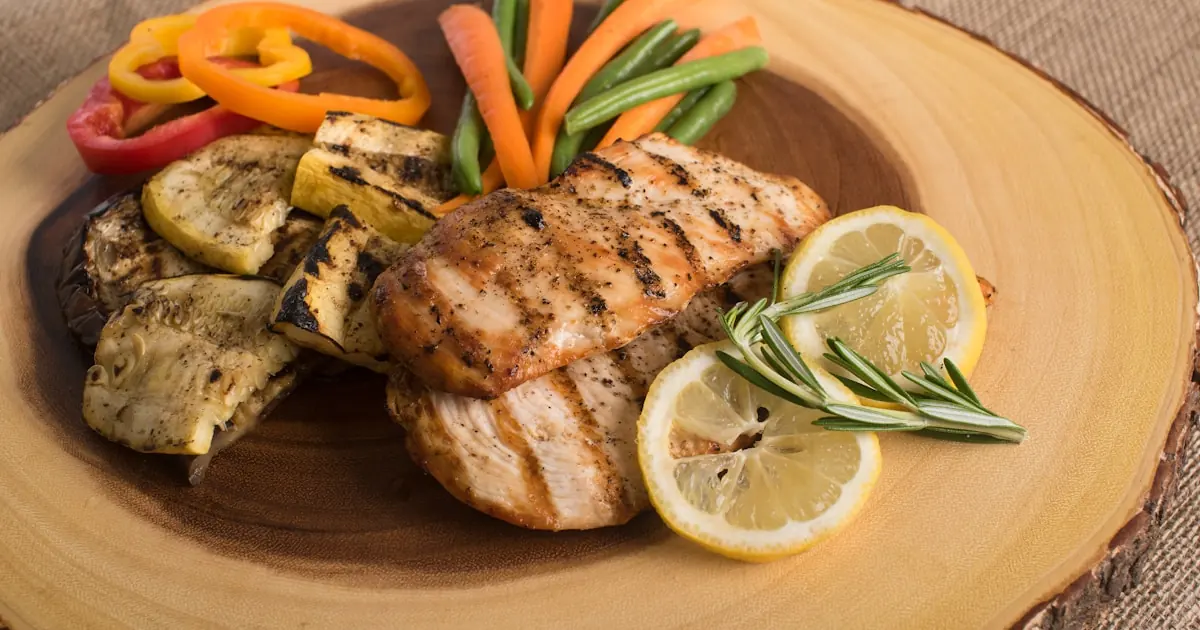
Cooking methods that usually keep added calories moderate include:
Grilling
Use herbs, spices, garlic, pepper, lemon, vinegar, or a light marinade.
Baking
Baking works especially well for turkey breast, chicken, pork tenderloin, and many lean beef cuts.
Roasting
Roasting requires very little added fat when the meat is naturally tender.
Broiling
Broiling provides browning without the need to pan-fry in large quantities of fat.
Air Frying
Air frying can provide a browned exterior while requiring less added oil.
Slow Cooking
Lean meats can become tender when slowly cooked with vegetables, broth, herbs, and spices.
The AHA recommends preparation methods such as baking, broiling, roasting, slow cooking, and air frying while trimming visible fat and removing poultry skin when a lower-fat meal is desired.
Ways Meat Becomes Much Higher in Calories
Pay attention to:
- deep frying
- heavy breading
- large amounts of butter
- cream sauces
- cheese sauces
- sugary glazes
- large quantities of oil
- fatty cuts
- poultry skin
Often, the protein source itself is not the main calorie problem.
The extras are.
How to Build a Balanced High-Protein Meat Meal
A balanced plate does not have to be mostly meat.
Try combining:
Protein
Lean beef, chicken, turkey, or pork
Vegetables
Broccoli, peppers, spinach, carrots, tomatoes, salad, or green beans
Fiber-Rich Carbohydrate
Potatoes, beans, lentils, brown rice, quinoa, or whole grains
Healthy Fat
Olive oil, avocado, nuts, or seeds
This makes the meal more nutritionally complete because meat contains protein and several micronutrients but virtually no fiber.
Does Meat Contain Carbohydrates?
Plain fresh meat contains essentially zero carbohydrates.
However, processed or prepared meat products may contain carbohydrates from:
- breading
- flour
- sweet sauces
- marinades
- fillers
- glazes
Always consider the finished product, not simply the meat itself.
Does Meat Contain Fiber?
No.
Beef, turkey, chicken, and other meats contain no dietary fiber.
Pairing meat with:
- vegetables
- beans
- lentils
- whole grains
- fruit
helps add the fiber that meat lacks.
How Much Meat Should You Eat at One Meal?
There is no universal serving size that suits everyone.
Protein needs differ based on body size, age, activity level, total diet, and goals.
For context, the American Heart Association uses about 3 ounces of cooked meat, roughly the size of a deck of cards, as a practical portion reference.
Someone with higher protein or energy needs may choose a larger serving.
The important point is that meat does not need to occupy the entire plate.
Meat and Heart Health: The Overall Pattern Matters
Lean, minimally processed meats can fit into many balanced diets.
However, consuming large quantities of fatty or processed meat while eating few vegetables, fruits, whole grains, legumes, nuts, and fish is a very different dietary pattern.
Current heart-health guidance emphasizes an overall eating pattern rich in plant foods, whole grains, legumes and fish, with lean or extra-lean meat when meat is included.
So rather than asking:
"Is meat healthy or unhealthy?"
it is usually more useful to ask:
"What type, how much, how often, and what am I eating with it?"
Safe Cooking Temperatures for Beef and Turkey
Food safety should never be guessed based only on color.
USDA guidance recommends:
| Meat | Safe Minimum Internal Temperature |
|---|---|
| Beef steak, chops and roasts | 145°F / 62.8°C + 3-minute rest |
| Ground beef | 160°F / 71.1°C |
| Turkey breast | 165°F / 73.9°C |
| Ground turkey | 165°F / 73.9°C |
| Other poultry | 165°F / 73.9°C |
Use a food thermometer inserted into the appropriate thickest area rather than relying only on whether meat looks brown or juices appear clear.
Frequently Asked Questions
The Bottom Line
Beef, turkey, chicken, and other lean meats can provide substantial amounts of complete, high-quality protein.
Cooked beef commonly provides around 25–30 grams of protein per 100 grams and stands out for its iron, zinc, and vitamin B12 content.
Skinless turkey breast provides approximately 28–30 grams of protein per 100 grams while remaining very low in fat.
Chicken breast is similarly lean and typically provides around 31 grams of protein per 100 grams cooked.
When choosing beef, the cut matters. Lean sirloin, round cuts, and extra-lean ground beef can provide almost the same protein as fattier beef while containing substantially less fat and fewer calories.
Turkey and chicken are nutritionally very similar, so there is little reason to worry about choosing the "perfect" one.
For a high-protein diet, some of the strongest options include:
- skinless chicken breast
- skinless turkey breast
- lean beef sirloin
- eye of round
- extra-lean ground beef
- pork tenderloin
Preparation matters as well.
Grilling, roasting, baking, broiling, slow cooking, and air frying can keep added calories under control, while deep frying, heavy breading, butter, cheese sauces, and excessive oil can dramatically change the finished meal.
Ultimately, the best approach is not to build your entire diet around meat.
Use lean meat as one source of protein alongside fish, eggs, dairy, beans, lentils, nuts, seeds, vegetables, whole grains, and other minimally processed foods.