25 Food Comparisons: Which Is Healthier for Protein, Weight Management, Heart Health & Everyday Nutrition?
Is chicken healthier than beef? Is salmon better than tuna? Should you choose a whole egg or only the whites? Is quinoa really healthier than rice? And does olive oil deserve its reputation compared with butter or coconut oil?
Nutrition comparisons often sound as though there should be one winner.
Usually, there isn't.
A food can win for protein while losing for fiber. One food may contain fewer calories while another provides more omega-3 fats, iron, calcium, vitamin C or healthy unsaturated fat.
That is why calling one food simply "healthier" can be misleading.
A better question is:
Which food is better for what you are trying to achieve?
For example, tuna generally provides more protein for fewer calories than salmon, but salmon usually provides substantially more long-chain omega-3 fats. chicken breast is exceptionally lean, while beef is richer in iron, zinc and vitamin B12. Egg whites provide impressive protein for very few calories, but throwing away the yolk also means losing most of the egg's choline and several micronutrients.
This guide compares 25 popular food pairs using calories, protein, carbohydrates, fiber, fat quality, key micronutrients, degree of processing and practical dietary use.
The broader evidence-based principle is consistent with current dietary guidance: prioritize a varied pattern containing nutrient-dense foods, vegetables, fruits, whole grains, healthy protein sources and predominantly unsaturated fats rather than judging your diet by one supposedly perfect food.
Quick Answer: Which Foods Win?
There is no single healthiest food, but if you want the shortest answer:
| Nutrition Goal | Stronger Choice |
|---|---|
| Maximum lean protein | Chicken breast, turkey breast or tuna |
| Omega-3 fats | Salmon |
| Iron and zinc | Lean beef |
| Low-calorie egg protein | Egg whites |
| Overall egg nutrition | Whole eggs |
| High-protein dairy | Greek yogurt or cottage cheese |
| Plant protein | Tofu or tempeh |
| Plant protein + fiber | Tempeh, lentils or beans |
| Higher-fiber grain | Quinoa, oats or brown rice |
| Easy workout carbohydrate | White rice or banana |
| Omega-3-rich seed | Flax or chia |
| High-protein seed | Hemp |
| Lower-calorie milk alternative | Unsweetened almond milk |
| More protein in a milk beverage | Cow's milk or fortified soy milk |
| Everyday heart-conscious fat | Olive oil |
| Beta-carotene-rich starch | Sweet potato |
| Very nutrient-dense greens | Spinach and kale |
| High-vitamin-C fruit | Orange |
| Fiber-rich portable fruit | Apple |
Featured-Snippet Answer
Which food is healthier depends on your goal. Chicken and tuna are excellent for lean protein, salmon for omega-3 fats, lean beef for iron and zinc, lentils and beans for protein plus fiber, whole grains for fiber and micronutrients, and olive oil for predominantly unsaturated fat. The healthiest overall diet uses a variety rather than relying on one "winner."
How We Compared These Foods
For this guide, nutrition comparisons focus on foods in reasonably similar forms rather than comparing a plain whole food with a heavily processed version.
Where practical:
- meats and fish are compared cooked
- legumes and grains are compared cooked
- nuts and seeds use typical 1-ounce servings
- milk beverages use approximately 1 cup
- oils use 1 tablespoon
- fruits use typical whole-fruit portions
- vegetables are compared on a similar weight basis
Most nutrient numbers are rounded because exact values change with species, cut, variety, farming conditions, cooking method, moisture loss, fortification and brand.
USDA FoodData Central is the primary nutrient-composition reference used for these kinds of comparisons. Its Foundation Foods use analytically derived food data, and USDA released updated Foundation and branded datasets in April 2026.
That means you should view a statement such as "31 grams of protein per 100 grams" as a useful reference point—not a guarantee that every piece of chicken you ever eat contains exactly that amount.
1. Chicken vs Beef: Which Is Healthier?
Quick verdict: Choose chicken breast when you want maximum lean protein. Choose lean beef when iron, zinc and vitamin B12 matter more.
Chicken and beef both provide complete protein, but comparing "chicken" with "beef" without considering the cut is too broad.
Skinless chicken breast is very lean.
A fatty burger or highly marbled ribeye is not.
Likewise, lean sirloin and extra-lean ground beef can have a very different nutritional profile from fattier beef.
Chicken vs Beef Nutrition
Approximate cooked values per 100 grams:
| Nutrient | Skinless Chicken Breast | Lean Beef |
|---|---|---|
| Calories | ~165 | ~180–230 |
| Protein | ~31 g | ~26–30 g |
| Fat | ~3.6 g | ~6–12 g |
| Carbohydrates | 0 g | 0 g |
| Iron | Lower | Higher |
| Zinc | Moderate | Higher |
| Vitamin B12 | Moderate | Higher |
Which Has More Protein?
Chicken breast generally provides more protein for the calories.
That makes it particularly useful for:
- calorie-controlled diets
- high-protein meal preparation
- muscle-building diets
- people who prefer lower-fat meals
Where Beef Has the Advantage
Lean beef gives you high-quality protein plus substantial amounts of:
- heme iron
- zinc
- vitamin B12
Heme iron is generally absorbed more efficiently than non-heme iron from plant foods.
What About Heart Health?
The answer depends partly on what type of beef you choose and what it replaces.
Current American Heart Association guidance favors healthy protein sources and recommends choosing sources of unsaturated fat in place of foods higher in saturated fat. Lean meat can fit into that pattern, but fatty and processed meats are less favorable choices.
Winner by Goal
Protein per calorie: Chicken breast
Iron: Beef
Zinc: Beef
Vitamin B12: Beef
Lower fat: Chicken breast
Muscle building: Both
Bottom Line
Chicken is not universally healthier than beef.
For a lean everyday protein, chicken breast has an advantage.
For protein plus iron, zinc and B12, lean beef has strengths chicken cannot fully match.
2. Chicken vs Turkey
Quick verdict: This comparison is almost a tie. Choose based on cut, cooking method, price and taste.
Skinless turkey breast and chicken breast are among the leanest common animal proteins.
Chicken vs Turkey Nutrition
Approximate cooked values per 100 grams:
| Nutrient | Chicken Breast | Turkey Breast |
|---|---|---|
| Calories | ~165 | ~135–160 |
| Protein | ~31 g | ~29–30 g |
| Fat | ~3.6 g | ~1–4 g |
| Carbohydrates | 0 g | 0 g |
| Complete protein | Yes | Yes |
Chicken may have a tiny advantage in protein concentration.
Turkey breast may be slightly leaner depending on preparation.
Those differences are small enough that cooking matters more.
Roasted turkey breast and deep-fried turkey are not nutritionally equivalent.
The same applies to chicken.
Winner by Goal
Highest protein: Slight edge to chicken
Lowest fat: Slight edge to turkey breast
Weight management: Both
Muscle building: Both
Overall: Tie
Bottom Line
There is little nutritional reason to force yourself to eat turkey if you prefer chicken—or vice versa.
Use both for variety.
3. Salmon vs Tuna
Quick verdict: Salmon wins for omega-3 fats and vitamin D. Tuna wins for lean protein and lower calories.
This is one of the most useful food comparisons because the two fish have genuinely different strengths.
Salmon vs Tuna Nutrition
Approximate cooked or water-packed values per 100 grams:
| Nutrient | Salmon | Lean Tuna |
|---|---|---|
| Calories | ~200–210 | ~115–135 |
| Protein | ~22 g | ~25–29 g |
| Fat | ~12–13 g | ~1–3 g |
| Carbohydrates | 0 g | 0 g |
| EPA + DHA omega-3 | High | Lower/variable |
| Vitamin D | Usually higher | Lower |
Why Salmon Has More Calories
Salmon naturally contains more fat.
That is not automatically a disadvantage because a meaningful share includes long-chain omega-3 fatty acids.
NIH identifies EPA and DHA as marine omega-3 fats found in fish and seafood, while plant omega-3 ALA is converted to EPA and DHA only in small amounts.
Why Tuna Is Great for Lean Protein
Tuna can provide close to 30 grams of protein per 100 grams with very little fat.
That gives it an excellent protein-to-calorie ratio.
What About Mercury?
"Tuna" is not one single mercury category.
FDA/EPA guidance classifies canned light tuna as a Best Choice, while albacore/white and yellowfin tuna fall into a higher-mercury category, and bigeye tuna is listed among choices to avoid for groups particularly vulnerable to mercury exposure. Salmon is in the lower-mercury Best Choices category.
Winner by Goal
Protein per calorie: Tuna
Omega-3: Salmon
Vitamin D: Salmon
Lower calories: Tuna
Lower-mercury routine option: Salmon or canned light tuna
Overall seafood variety: Eat both
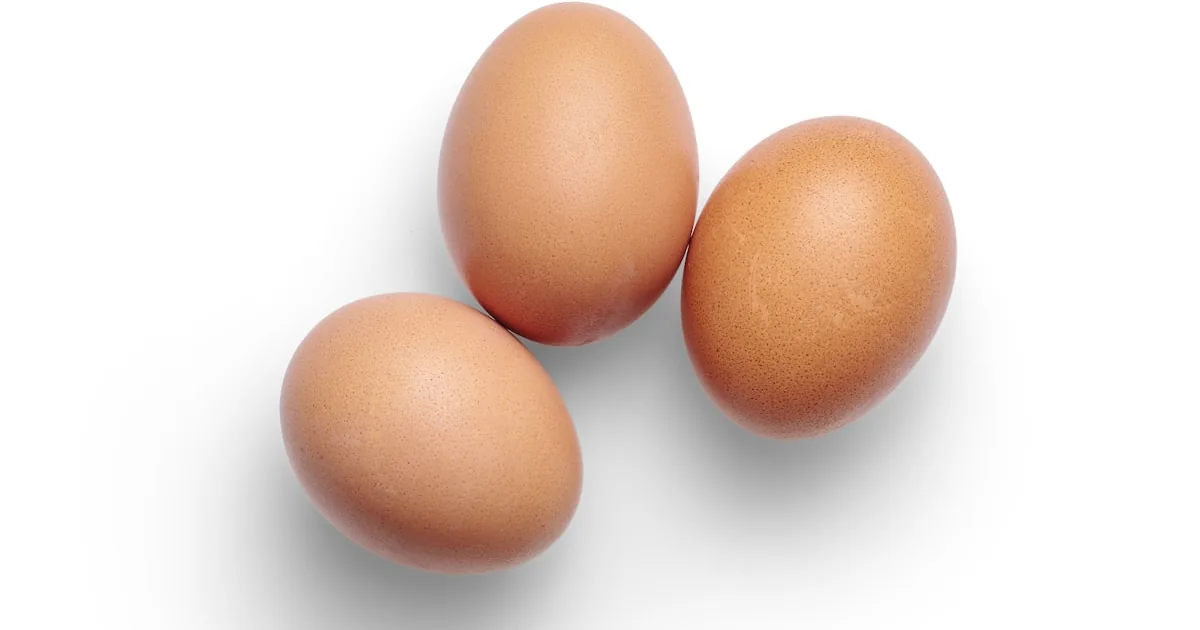
4. Eggs vs Egg Whites
Quick verdict: Egg whites win for protein per calorie. Whole eggs win for overall nutrient density.
One large whole egg provides roughly:
72 calories and 6.3 grams of protein.
One large egg white provides roughly:
17 calories and 3.5–3.6 grams of protein.
Whole Egg vs Egg White
| Nutrient | Whole Large Egg | Large Egg White |
|---|---|---|
| Calories | ~72 | ~17 |
| Protein | ~6.3 g | ~3.6 g |
| Fat | ~4.8 g | ~0 g |
| Carbohydrates | <1 g | <1 g |
| Cholesterol | ~186 mg | 0 |
| Choline | High | Very little |
| Vitamin B12 | Present | Very little |
| Carotenoids | Present in yolk | Very little |
Why Egg Whites Are Popular
Four egg whites provide around 14 grams of protein for fewer than 70 calories.
That is useful for someone who wants high protein while keeping calories low.
What You Lose by Removing the Yolk
The yolk contains much of the egg's:
- choline
- vitamin B12
- vitamin A
- selenium
- carotenoids
- fat
That is why calling egg whites "healthier" is too simplistic.
Current 2026 AHA guidance also notes that dietary cholesterol is no longer the primary cardiovascular target for most people; the overall dietary pattern and saturated-fat intake are more important considerations.
Practical Choice
A useful compromise is:
2 whole eggs + 2 or 3 egg whites
You get additional protein without throwing away every yolk.
Winner by Goal
Protein per calorie: Egg whites
Micronutrients: Whole eggs
Choline: Whole eggs
Lower calorie: Egg whites
Overall: Combination works well
5. Greek Yogurt vs Regular Yogurt
Quick verdict: Greek yogurt usually wins for protein. Regular yogurt can be equally nutritious and may provide more calcium depending on the product.
Straining removes some liquid from Greek yogurt, concentrating its protein.
Typical Plain Yogurt Comparison
| Feature | Greek Yogurt | Regular Yogurt |
|---|---|---|
| Calories | ~90–150 | ~90–130 |
| Protein per ~170 g | ~15–18 g | ~8–10 g |
| Carbohydrates | Often lower | Usually higher |
| Calcium | Good | Often somewhat higher |
| Texture | Thick | Softer |
| Live cultures | Depends on product | Depends on product |
What Matters More Than the Word "Greek"
Added sugar.
A heavily sweetened Greek yogurt can contain substantially more added sugar than plain regular yogurt.
If nutrition is the goal, compare:
- protein
- added sugar
- saturated fat
- calcium
- serving size
Winner by Goal
Protein: Greek yogurt
Thick texture: Greek yogurt
Potentially more calcium: Regular yogurt
Best overall choice: Plain versions with minimal added sugar
6. Cottage Cheese vs Greek Yogurt
Quick verdict: Both are excellent protein foods. Cottage cheese often provides slightly more protein by weight, while Greek yogurt is commonly lower in sodium.
Approximate Comparison
| Feature | Cottage Cheese | Greek Yogurt |
|---|---|---|
| Protein | Very high | Very high |
| Carbohydrates | Low–moderate | Low–moderate |
| Calcium | Good | Good |
| Sodium | Often substantially higher | Usually lower |
| Texture | Curds | Smooth |
| Best use | Savory or sweet | Savory or sweet |
A half-cup of cottage cheese commonly supplies around 12–14 grams of protein.
A typical Greek yogurt container may provide around 15–18 grams.
Serving sizes differ, so comparing the package label is more useful than assuming one always wins.
Cottage Cheese May Be Better For
- savory snacks
- larger protein portions
- people who enjoy casein-rich dairy foods
Greek Yogurt May Be Better For
- lower-sodium diets
- smoothies
- breakfast bowls
- sauces
- people who prefer a smooth texture
Bottom Line
There is no nutritional reason to choose only one.
Rotating both gives you variety.
7. Tofu vs Chicken
Quick verdict: Chicken wins for protein density. Tofu wins when you want complete plant protein and a more plant-forward meal.
Tofu vs Chicken Nutrition
Approximate values per 100 grams:
| Nutrient | Firm Tofu | Chicken Breast |
|---|---|---|
| Calories | ~140–175 | ~165 |
| Protein | ~15–18 g | ~31 g |
| Fat | ~8–10 g | ~3.6 g |
| Fiber | Small amount | 0 g |
| Carbohydrates | Low | 0 g |
| Complete protein | Yes | Yes |
Is Tofu a Complete Protein?
Yes.
Soy provides all nine essential amino acids.
Tofu can also contribute:
- iron
- magnesium
- calcium when calcium-set
- unsaturated fat
Chicken's Advantage
Chicken packs considerably more protein into the same weight.
Someone trying to consume 40 grams of protein with minimal calories will generally find chicken easier.
Tofu's Advantage
Tofu makes it easy to shift a meal toward plant-based protein without sacrificing protein quality.
Current heart-health guidance includes tofu and legumes among healthy protein choices alongside fish and lean animal proteins.
Winner by Goal
Protein density: Chicken
Plant-based eating: Tofu
Calcium: Calcium-set tofu may win
Fiber: Tofu, although still modest
Complete protein: Both
8. Tofu vs Tempeh
Quick verdict: Tempeh usually provides more protein and fiber. Tofu is generally lighter and more versatile.
Tempeh is produced from fermented whole soybeans, while tofu is made by coagulating soy milk.
That difference matters.
Tofu vs Tempeh Nutrition
Approximate values per 100 grams:
| Nutrient | Firm Tofu | Tempeh |
|---|---|---|
| Calories | ~140–175 | ~190–200 |
| Protein | ~15–18 g | ~19–20 g |
| Fiber | Low | ~5–8 g |
| Fat | Moderate | Moderate |
| Complete protein | Yes | Yes |
| Fermented | Usually no | Yes |
Why Tempeh Contains More Fiber
Tempeh retains the whole soybean.
Tofu does not retain the same amount of bean fiber.
Winner by Goal
Protein: Tempeh
Fiber: Tempeh
Lower calories: Usually tofu
Neutral flavor: Tofu
Chewier meat-like texture: Tempeh
9. Lentils vs Chickpeas
Quick verdict: Lentils generally provide more protein and fiber for fewer calories. Chickpeas offer excellent nutrition with a firmer texture and greater versatility for certain dishes.
Lentils vs Chickpeas per Cooked Cup
| Nutrient | Lentils | Chickpeas |
|---|---|---|
| Calories | ~230 | ~270 |
| Protein | ~18 g | ~14–15 g |
| Fiber | ~15–16 g | ~12–13 g |
| Carbohydrates | ~40 g | ~45 g |
| Fat | <1 g | ~4 g |
Both also provide:
- folate
- iron
- magnesium
- potassium
Lentils May Be Better For
- maximizing protein per calorie
- soups
- dals
- quick cooking
Chickpeas May Be Better For
- hummus
- roasted snacks
- salads
- firmer-textured meals
Winner
Slight nutritional advantage: Lentils
But this is not a reason to stop eating chickpeas.
10. Lentils vs Beans
Quick verdict: Essentially a tie. Lentils often contain a little more protein, while beans offer extraordinary variety.
Using black beans as one example:
| Nutrient per Cooked Cup | Lentils | Black Beans |
|---|---|---|
| Calories | ~230 | ~225 |
| Protein | ~18 g | ~15 g |
| Fiber | ~15–16 g | ~15 g |
| Fat | Very low | Very low |
Both combine two nutrients that many diets could use more of:
protein + fiber
Beans also include:
- kidney beans
- pinto beans
- navy beans
- cannellini beans
- black beans
Winner by Goal
Protein: Slight edge to lentils
Fiber: Tie
Variety: Beans
Plant-based meals: Both
11. Quinoa vs Rice
Quick verdict: Quinoa wins for protein and fiber. White rice wins when you want a simpler, easier-to-digest carbohydrate.
Quinoa vs White Rice per Cooked Cup
| Nutrient | Quinoa | White Rice |
|---|---|---|
| Calories | ~220 | ~200 |
| Protein | ~8 g | ~4 g |
| Carbohydrates | ~39 g | ~45 g |
| Fiber | ~5 g | <1 g |
| Magnesium | Higher | Lower |
| Complete protein | Yes | No |
Is Quinoa Actually High in Protein?
It is higher in protein than white rice, but quinoa should not be mistaken for a concentrated protein food.
Eight grams per cup is useful.
It is still much less than the protein in:
- chicken
- fish
- Greek yogurt
- lentils
- tofu
When White Rice Makes Sense
White rice is lower in fiber and often easier to digest.
That can be useful:
- shortly before training
- after prolonged exercise
- when gastrointestinal tolerance is limited
Winner by Goal
Protein: Quinoa
Fiber: Quinoa
Micronutrients: Quinoa
Easy digestion: White rice
Rapid carbohydrate: White rice
12. Brown Rice vs White Rice
Quick verdict: Brown rice is nutritionally richer in fiber and retained grain components. White rice is easier to digest and can still fit into a healthy diet.
Brown rice retains the bran and germ.
White rice has most of those layers removed.
Brown Rice vs White Rice
| Feature | Brown Rice | White Rice |
|---|---|---|
| Calories | Similar | Similar |
| Carbohydrates | Similar | Similar |
| Protein | Similar | Similar |
| Fiber | Higher | Lower |
| Magnesium | Higher | Lower |
| Texture | Chewier | Softer |
| Digestion | Slower for many | Easier for many |
The key point is that brown rice does not contain dramatically fewer calories.
Its primary advantage is being a whole grain.
Current heart-health guidance recommends choosing foods made mostly with whole grains rather than refined grains as part of the overall dietary pattern.
Winner
Everyday whole-grain nutrition: Brown rice
Easy digestion: White rice
13. Oats vs Quinoa
Quick verdict: Oats stand out for beta-glucan fiber. Quinoa provides slightly more protein and a broader savory-meal role.
Typical Cooked Cup
| Nutrient | Oatmeal | Quinoa |
|---|---|---|
| Calories | ~150–160 | ~220 |
| Protein | ~6 g | ~8 g |
| Fiber | ~4 g | ~5 g |
| Main nutritional feature | Beta-glucan | Complete protein |
| Typical use | Breakfast | Savory or sweet |
Why Oats Are Special
Oats contain beta-glucan, a soluble fiber associated with cholesterol-related benefits when consumed in sufficient quantities as part of an appropriate diet.
Why Quinoa Is Different
Quinoa provides all nine essential amino acids and more protein than many traditional grains.
Winner by Goal
Soluble fiber: Oats
Protein: Quinoa
Lower calories per typical cooked cup: Oats
Savory meals: Quinoa
Breakfast: Oats
14. Almonds vs Peanuts
Quick verdict: Peanuts provide slightly more protein and are often cheaper. Almonds provide more vitamin E and somewhat more fiber.
Peanuts are botanically legumes, although nutritionally they behave much like nuts.
Per 1 Ounce / 28 Grams
| Nutrient | Almonds | Peanuts |
|---|---|---|
| Calories | ~164 | ~160–170 |
| Protein | ~6 g | ~7 g |
| Fat | ~14 g | ~14 g |
| Fiber | ~3.5 g | ~2–3 g |
| Vitamin E | High | Moderate |
| Magnesium | High | Good |
Both provide predominantly unsaturated fats.
Winner by Goal
Protein: Peanuts
Fiber: Almonds
Vitamin E: Almonds
Budget: Often peanuts
Healthy fats: Both
15. Chia Seeds vs Flax Seeds
Quick verdict: Chia wins for fiber. Flax is especially rich in ALA omega-3 and lignans.
Per 1 Ounce
| Nutrient | Chia Seeds | Flax Seeds |
|---|---|---|
| Calories | ~138 | ~150 |
| Protein | ~5 g | ~5 g |
| Fiber | ~10 g | ~8 g |
| Fat | ~9 g | ~12 g |
| ALA omega-3 | High | Very high |
NIH lists both flax and chia among important plant sources of ALA. The body can convert ALA into EPA and DHA, but that conversion is limited.
Should Flax Be Ground?
Usually, yes.
Whole flaxseed can pass through the digestive tract relatively intact.
Ground flax makes more of its nutrients accessible.
Chia does not require grinding.
Winner by Goal
Fiber: Chia
ALA: Flax
Convenience: Chia
Lignans: Flax
Best Approach
Use both.
For example:
oats + chia + ground flax + berries
16. Chia Seeds vs Hemp Seeds
Quick verdict: Chia is dramatically higher in fiber. Hemp hearts provide almost twice as much protein.
Typical Serving Comparison
| Nutrient | Chia, 1 oz | Hemp Hearts, ~3 tbsp |
|---|---|---|
| Calories | ~138 | ~165 |
| Protein | ~5 g | ~9–10 g |
| Fiber | ~10 g | ~1–2 g |
| Fat | ~9 g | ~14 g |
| ALA | High | Present |
Choose Chia If You Want
- fiber
- chia pudding
- thickening
- omega-3 ALA
Choose Hemp If You Want
- more protein
- soft texture
- easy addition to yogurt or oatmeal
- magnesium and healthy fats
Winner by Goal
Fiber: Chia
Protein: Hemp
17. Cow's Milk vs Almond Milk
Quick verdict: Cow's milk provides far more protein. Unsweetened almond milk can provide far fewer calories, but fortification varies significantly.
Typical 1-Cup Comparison
| Nutrient | Cow's Milk | Unsweetened Almond Milk |
|---|---|---|
| Calories | ~80–150 depending on fat | ~30–50 |
| Protein | ~8 g | ~1 g |
| Carbohydrates | ~12 g | ~1–3 g |
| Calcium | Naturally present | Usually fortified |
| Vitamin D | Commonly fortified | Fortification varies |
| Vitamin B12 | Naturally present | Fortification varies |
FDA specifically warns that plant-based beverages can differ considerably from milk and from one another in protein, calcium, vitamin D, potassium, saturated fat and added sugar. Fortified soy beverages are the plant beverages most nutritionally similar to cow's milk in current federal guidance.
Does Almond Milk Contain the Protein of Almonds?
Not much.
A cup commonly provides only around 1 gram.
If you use almond milk because you need a high-protein replacement for cow's milk, check the label carefully.
Winner by Goal
Protein: Cow's milk
Naturally occurring calcium: Cow's milk
Very low calories: Unsweetened almond milk
Dairy-free: Almond milk
Nutritional equivalence: Do not assume—read the label
18. Almond Milk vs Oat Milk
Quick verdict: Unsweetened almond milk is usually lower in calories and carbohydrates. Oat milk is generally creamier and contains more carbohydrate.
Typical 1-Cup Comparison
| Feature | Unsweetened Almond Milk | Unsweetened Oat Milk |
|---|---|---|
| Calories | ~30–50 | ~80–120 |
| Protein | ~1 g | ~2–3 g |
| Carbohydrates | ~1–3 g | ~12–16 g |
| Texture | Light | Creamier |
| Calcium | Depends on fortification | Depends on fortification |
| Vitamin D | Depends on fortification | Depends on fortification |
FDA emphasizes that formulation varies widely even among products made from the same plant source.
Choose Almond Milk If
- you want fewer calories
- lower carbohydrate is useful
- you prefer a lighter texture
Choose Oat Milk If
- you want a creamier drink
- you want additional carbohydrate
- you prefer it in coffee or cereal
Important
Neither typically matches the protein in cow's milk or fortified soy milk.
19. Butter vs Olive Oil
Quick verdict: Olive oil is the stronger everyday choice for heart-conscious eating because it contains much less saturated fat and much more monounsaturated fat.
Per Tablespoon
| Nutrient | Butter | Olive Oil |
|---|---|---|
| Calories | ~100 | ~119 |
| Total Fat | ~11.5 g | ~13.5 g |
| Saturated Fat | ~7 g | ~2 g |
| Monounsaturated Fat | Lower | High |
Notice something interesting:
olive oil is not lower in calories.
Its advantage comes from fat quality, not calorie reduction.
The American Heart Association recommends replacing sources of saturated fat with foods rich in monounsaturated and polyunsaturated fats.
Does That Mean Butter Is Forbidden?
No.
Butter can provide flavor.
What matters more is which fat you use most often.
Winner
Heart-conscious everyday use: Olive oil
Specific buttery flavor: Butter
20. Olive Oil vs Coconut Oil
Quick verdict: Olive oil is the stronger everyday choice, especially for cardiovascular health. Coconut oil is predominantly saturated fat.
Per Tablespoon
| Nutrient | Olive Oil | Coconut Oil |
|---|---|---|
| Calories | ~119 | ~120 |
| Fat | ~13.5 g | ~13.5 g |
| Saturated Fat | ~2 g | ~11–12 g |
| Main Fat Type | Monounsaturated | Saturated |
The calorie difference is essentially nonexistent.
The fat composition is dramatically different.
AHA's 2026 guidance specifically favors unsaturated fats from non-tropical liquid plant oils over saturated-fat sources such as coconut oil, butter and fatty meats.
Does Coconut Oil Burn Fat?
It should not be treated as a weight-loss food.
It still provides roughly 120 calories per tablespoon.
Winner
Everyday cooking and heart-conscious eating: Olive oil
Use coconut oil when you specifically want coconut flavor rather than because it has been marketed as metabolically superior.
21. Sweet Potato vs Potato
Quick verdict: Sweet potatoes dominate for beta-carotene. White potatoes remain highly nutritious and are particularly useful sources of potassium.
Approximate Cooked Values per 100 Grams
| Nutrient | Sweet Potato | White Potato |
|---|---|---|
| Calories | ~85–95 | ~80–95 |
| Carbohydrates | ~20 g | ~20 g |
| Fiber | ~3 g | ~2 g |
| Protein | ~1.5–2 g | ~2 g |
| Potassium | High | Often higher |
| Beta-carotene | Extremely high in orange types | Very low |
Are Sweet Potatoes Lower in Carbs?
Not dramatically.
They are much more similar to ordinary potatoes than many diet claims suggest.
What Makes Sweet Potato Different?
Orange varieties provide large amounts of beta-carotene, which the body can convert into vitamin A.
What Makes White Potato Useful?
White potatoes provide:
- potassium
- vitamin C
- vitamin B6
- carbohydrate
The major nutritional change usually happens when preparation changes.
A baked potato and deep-fried fries should not be treated as the same food nutritionally.
Winner
Vitamin A precursors: Sweet potato
Potassium: Often white potato
Overall: Eat both
22. Spinach vs Kale
Quick verdict: Both are exceptionally nutritious. Spinach shines for folate; kale often contains more fiber and vitamin C by comparable weight.
Approximate Raw Values per 100 Grams
| Nutrient | Spinach | Kale |
|---|---|---|
| Calories | ~23 | ~30–40 |
| Protein | ~2.9 g | ~3 g |
| Fiber | ~2.2 g | ~4 g |
| Vitamin K | Very high | Very high |
| Folate | Very high | Good |
| Vitamin C | Good | Generally higher |
Does Kale Deserve Its "Superfood" Reputation More Than Spinach?
Not really.
"Superfood" is a marketing term, not a scientific category.
Spinach and kale contain overlapping but different nutrient profiles.
Spinach Works Especially Well In
- eggs
- smoothies
- curries
- soups
- salads
Kale Works Especially Well In
- salads
- soups
- roasting
- grain bowls
Winner
No meaningful overall winner.
A rotating mix of leafy greens is more useful than choosing one forever.
23. Broccoli vs Cauliflower
Quick verdict: Broccoli has a modest advantage in several nutrients. Cauliflower is slightly lower in calories and carbohydrates.
Both are cruciferous vegetables.
Per 100 Grams Raw
| Nutrient | Broccoli | Cauliflower |
|---|---|---|
| Calories | ~34 | ~25 |
| Protein | ~2.8 g | ~1.9 g |
| Carbohydrates | ~6–7 g | ~5 g |
| Fiber | ~2.6 g | ~2 g |
| Vitamin C | Very high | High |
| Vitamin K | Higher | Lower |
Is Cauliflower Rice Better Than Rice?
That is a different question.
Cauliflower rice contains dramatically fewer calories and carbohydrates than actual grain-based rice.
But it also provides much less carbohydrate energy.
So an athlete may prefer regular rice, while someone wanting a lighter vegetable side may prefer cauliflower rice.
Winner by Goal
Protein: Broccoli
Fiber: Broccoli
Vitamin C/K: Broccoli
Slightly fewer calories: Cauliflower
Overall: Both excellent
24. Apple vs Banana
Quick verdict: Apples provide a little more fiber and fewer calories per typical fruit. Bananas provide more potassium and make an especially convenient exercise carbohydrate.
One Medium Fruit
| Nutrient | Apple | Banana |
|---|---|---|
| Calories | ~95 | ~105 |
| Carbohydrates | ~25 g | ~27 g |
| Fiber | ~4–4.5 g | ~3 g |
| Natural Sugar | ~19 g | ~14 g |
| Potassium | Moderate | Higher |
| Vitamin B6 | Lower | Higher |
An interesting point is that an apple can actually contain more total natural sugar than a medium banana, despite bananas often being described as the "sugary" fruit.
This is a good example of why sugar grams alone are a poor way to judge whole fruit.
Apple May Be Better If
- you want slightly more fiber
- you want a crunchy portable snack
- you prefer a larger volume for the calories
Banana May Be Better If
- you want carbohydrate before exercise
- potassium matters
- you want something easy to chew and digest
Winner
Fiber: Apple
Potassium: Banana
Workout carbohydrate: Banana
Overall health: Tie
25. Orange vs Apple
Quick verdict: Oranges provide far more vitamin C and fewer calories per typical fruit. Apples usually provide somewhat more fiber.
One Medium Fruit
| Nutrient | Orange | Apple |
|---|---|---|
| Calories | ~60–65 | ~95 |
| Carbohydrates | ~15 g | ~25 g |
| Fiber | ~3 g | ~4–4.5 g |
| Vitamin C | Very high | Modest |
| Folate | Higher | Lower |
| Potassium | Good | Good |
Choose Orange If
- vitamin C is the priority
- you want a juicy, lower-calorie fruit
- you want more folate
Choose Apple If
- you want somewhat more fiber
- portability matters
- you want something that stores well
Winner
Vitamin C: Orange
Fiber: Apple
Overall: Both
Which Comparison Foods Are Best for Protein?
If your primary goal is protein, the strongest choices in this guide include:
| Food | Approximate Protein |
|---|---|
| Chicken breast | ~31 g per 100 g |
| Turkey breast | ~29–30 g per 100 g |
| Tuna | ~25–29 g per 100 g |
| Lean beef | ~26–30 g per 100 g |
| Salmon | ~22 g per 100 g |
| Tempeh | ~19–20 g per 100 g |
| Lentils | ~18 g per cooked cup |
| Firm tofu | ~15–18 g per 100 g |
| Greek yogurt | ~15–18 g per typical serving |
| Hemp hearts | ~9–10 g per 3 tbsp |
But protein grams are only one measure of food quality.
Lentils provide less protein than chicken but much more fiber.
Salmon provides less protein than tuna but more omega-3 fat.
Context changes the winner.
Which Foods Are Better for Weight Management?
There is no food in this article that directly causes fat loss.
For weight management, useful foods tend to provide a good combination of:
- protein
- fiber
- food volume
- reasonable calorie density
- satisfaction
Strong choices include:
Chicken breast and turkey breast for lean protein.
Tuna for exceptionally efficient protein.
Greek yogurt and cottage cheese for convenient high-protein snacks.
Lentils and beans for protein plus fiber.
Vegetables for high food volume.
Whole fruit for fiber and sweetness.
Foods such as olive oil, nuts and seeds can also fit beautifully into a weight-management diet, but they are energy-dense.
A tablespoon of olive oil still provides around 120 calories.
Healthiness and calorie density are not the same thing.
Which Foods Are Better for Muscle Building?
Muscle growth does not depend on one "muscle-building food."
You need:
- resistance training
- sufficient total protein
- adequate energy intake
- essential amino acids
- sleep and recovery
Protein-rich options from these comparisons include:
chicken, turkey, beef, salmon, tuna, eggs, Greek yogurt, cottage cheese, tofu, tempeh, lentils and beans.
Animal foods generally provide concentrated complete protein.
Soy foods also provide complete protein.
Other plant proteins can easily contribute when a varied diet provides adequate total protein.
Which Comparisons Matter Most for Heart Health?
Heart-health decisions are less about eliminating individual foods and more about repeated substitutions.
Current 2026 AHA guidance emphasizes:
- plenty of vegetables and fruits
- whole grains rather than refined grains
- healthy sources of protein
- unsaturated fats instead of saturated fats
- minimally processed rather than ultraprocessed foods
- less added sugar and excess sodium
Applied to these comparisons, that often means:
Olive oil more often than butter
Olive oil more often than coconut oil
Salmon and other seafood regularly
Beans, lentils, tofu and other plant proteins regularly
Whole grains such as oats and brown rice more often than heavily refined grains
Lean meat rather than fatty or heavily processed meat
No single swap makes or breaks heart health.
The repeated dietary pattern matters.
Which Foods Are Best for Fiber?
The clear winners come from plants.
Strong sources in this article include:
- lentils
- beans
- chickpeas
- chia seeds
- flax
- oats
- quinoa
- whole grains
- apples
- kale
- broccoli
Animal foods such as chicken, beef, fish, eggs and dairy contain essentially no fiber.
That matters when someone follows a high-protein diet.
A high-protein day built around chicken, eggs and yogurt can still be low in fiber unless vegetables, fruit, legumes, whole grains, nuts or seeds are added.
Which Foods Are Best for Healthy Fats?
Among our comparisons:
Salmon provides EPA and DHA.
Chia and flax provide ALA.
Almonds and peanuts provide predominantly unsaturated fats.
Olive oil provides a high proportion of monounsaturated fat.
NIH notes that ALA is essential and found in plant foods such as flax, while EPA and DHA occur primarily in fish and seafood; conversion of ALA to EPA/DHA is limited.
That is why chia seeds do not make salmon nutritionally redundant—or vice versa.
Are Plant Foods Healthier Than Animal Foods?
That is too broad a comparison.
Plant foods can provide:
- fiber
- unsaturated fat
- potassium
- magnesium
- folate
- phytochemicals
Animal foods can provide highly concentrated:
- complete protein
- vitamin B12
- calcium from dairy
- heme iron
- EPA and DHA from seafood
A healthy diet can be completely plant-based when appropriately planned.
A healthy diet can also include animal foods.
The quality and combination of foods matter much more than assigning moral value to the plant or animal category.
Are Lower-Calorie Foods Always Healthier?
No.
Consider salmon and tuna.
Tuna contains fewer calories.
Salmon contains more omega-3 fat.
Or almond milk and cow's milk:
almond milk may have fewer calories, but cow's milk typically provides far more protein.
Or olive oil and butter:
butter contains slightly fewer calories by tablespoon, yet olive oil has a much more favorable unsaturated-to-saturated fat profile.
Calories answer:
"How much energy?"
They do not fully answer:
"How nutritious is this food?"
Are Higher-Protein Foods Always Better?
Again, no.
Chicken has far more protein than broccoli.
That does not make broccoli unnecessary.
Quinoa provides more protein than rice, but neither should necessarily replace a dedicated protein food when your goal is a 30-gram-protein meal.
Use protein as one criterion—not the entire nutrition score.
The Best Food Depends on What It Replaces
This is one of the most important principles in nutrition research.
If someone replaces butter with olive oil, the change is meaningful because saturated fat is being replaced with unsaturated fat.
If someone replaces salmon with tuna, calories decrease but long-chain omega-3 intake may also decrease.
If regular yogurt is replaced with sugary dessert-style Greek yogurt, seeing the word "Greek" does not automatically make the replacement nutritionally better.
Whenever you hear:
"Food X is healthier than Food Y"
ask:
Healthier in what way, and what is it replacing?
How to Compare Two Foods Yourself
When two foods look similar, use this simple framework.
1. Compare Serving Sizes First
Do not compare 100 grams of one food with one tablespoon of another.
2. Look at Protein
Especially important when comparing:
- meat
- fish
- dairy
- plant proteins
3. Check Fiber
Particularly important for:
- grains
- legumes
- nuts
- seeds
- fruit
- vegetables
4. Look Beyond Total Fat
Check whether the food is predominantly:
- unsaturated fat
- saturated fat
Current cardiovascular guidance clearly favors unsaturated sources in place of saturated-fat-rich foods.
5. Identify the Nutrients That Make Each Food Unique
Examples:
Beef: iron and zinc
Salmon: omega-3s
Milk: protein and calcium
Orange: vitamin C
Sweet potato: beta-carotene
Lentils: protein + fiber
6. Check Added Sugar and Sodium in Packaged Foods
This matters especially for:
- yogurt
- cottage cheese
- plant milks
- flavored oatmeal
- processed meat
7. Consider Your Actual Goal
The "healthiest" option can change if you are:
- trying to lose weight
- gaining muscle
- training for endurance
- following a vegan diet
- increasing iron
- reducing saturated fat
- increasing fiber
Frequently Asked Questions
The Bottom Line
Food comparison articles become far more useful when we stop trying to force every comparison into a simple "good food vs bad food" answer.
Here is the practical summary:
Chicken vs beef: chicken for lean protein; beef for iron, zinc and B12.
Chicken vs turkey: essentially a nutritional tie.
Salmon vs tuna: salmon for omega-3s; tuna for lean protein.
Eggs vs egg whites: whole eggs for nutrient density; whites for low-calorie protein.
Greek yogurt vs regular yogurt: Greek yogurt for protein.
Cottage cheese vs Greek yogurt: both are excellent high-protein dairy foods.
Tofu vs chicken: chicken for protein density; tofu for complete plant protein.
Tofu vs tempeh: tempeh for protein and fiber; tofu for versatility.
Lentils vs chickpeas: lentils have a small protein-and-fiber advantage.
Lentils vs beans: close enough that variety matters more.
Quinoa vs white rice: quinoa for protein and fiber; white rice for easy digestion.
Brown vs white rice: brown rice for whole-grain nutrition.
Oats vs quinoa: oats for beta-glucan; quinoa for additional protein.
Almonds vs peanuts: almonds for vitamin E and fiber; peanuts for protein and affordability.
Chia vs flax: chia for fiber; flax for ALA and lignans.
Chia vs hemp: chia for fiber; hemp for protein.
Cow's milk vs almond milk: cow's milk for protein; unsweetened almond milk for very few calories.
Almond vs oat milk: almond for lower calories; oat for texture and carbohydrates.
Butter vs olive oil: olive oil for everyday heart-conscious use.
Olive vs coconut oil: olive oil has the more favorable fatty-acid profile.
Sweet potato vs potato: sweet potato for beta-carotene; both are nutritious starches.
Spinach vs kale: eat both.
Broccoli vs cauliflower: broccoli has a modest nutrient-density advantage.
Apple vs banana: apple for fiber; banana for potassium and easy carbohydrate.
Orange vs apple: orange for vitamin C; apple for fiber.
The evidence-based lesson is not that you need to replace every "losing" food.
It is that nutrition works through dietary patterns.
Current dietary and cardiovascular guidance emphasizes varied fruits and vegetables, whole grains, healthy protein foods, minimally processed foods and unsaturated fats rather than trying to identify one perfect ingredient.
Use chicken and beef.
Use salmon and tuna.
Eat oats sometimes and rice at other meals.
Choose an apple today and an orange tomorrow.
Use olive oil as an everyday fat while enjoying butter when its flavor genuinely matters.
A diet becomes nutritionally stronger not because every food you eat "wins" an internet comparison, but because the foods complement one another.