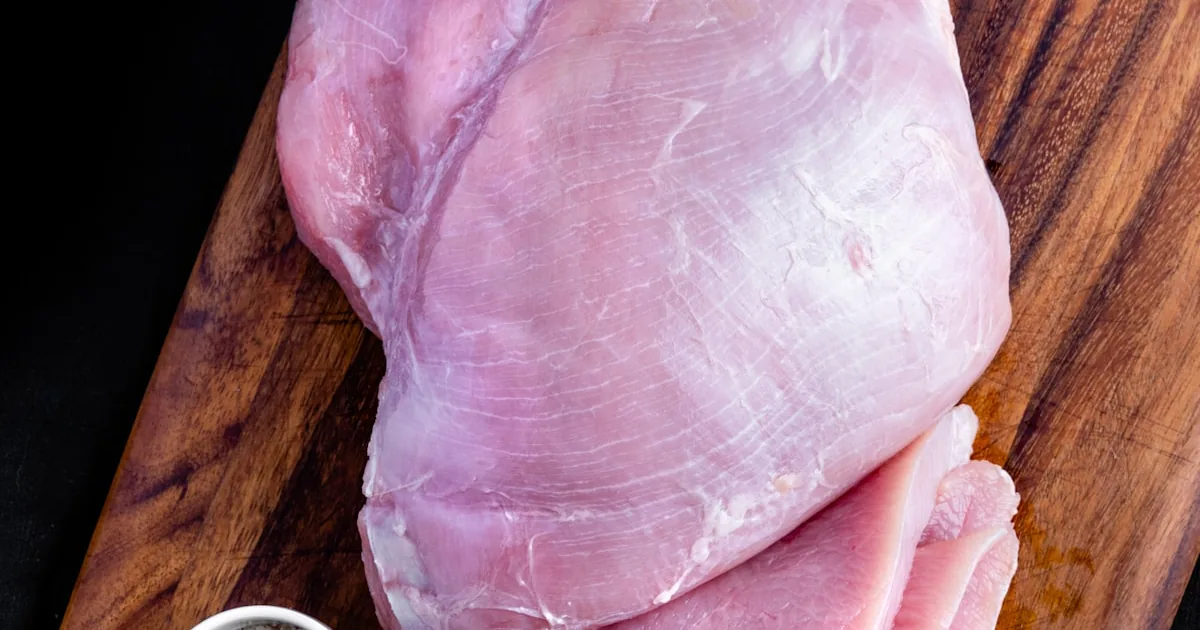
Chicken breast is one of the most popular protein-rich foods in the world—and for good reason. It is naturally high in protein, relatively low in fat, contains almost no carbohydrates, and can be prepared in dozens of healthy ways.
A 100-gram serving of cooked, skinless chicken breast provides roughly 165 calories and 31 grams of protein, making it one of the most protein-dense foods commonly eaten at home.
Chicken breast also provides important nutrients such as niacin, vitamin B6, selenium, phosphorus, and potassium.
But how healthy is chicken breast really? How much protein does it contain? Is chicken breast better than chicken thigh? Can it help with weight loss? Is chicken a complete protein? And what is the healthiest way to cook it without adding too many calories?
This guide covers everything you need to know about chicken breast nutrition, calories, protein, health benefits, weight management, protein quality, chicken breast vs chicken thigh, and healthy cooking methods.
Chicken Breast Nutrition at a Glance
The nutritional value of chicken breast can vary slightly depending on cooking method, portion size, whether the skin is removed, and whether oil, breading, marinades, or sauces are added.
For approximately 100 grams of cooked, skinless chicken breast, you can expect:
| Nutrient | Approximate Amount |
|---|---|
| Calories | 165 kcal |
| Protein | 31 g |
| Total Fat |
|
| Saturated Fat | 1 g |
| Carbohydrates | 0 g |
| Fiber | 0 g |
| Sugar | 0 g |
| Sodium | 74 mg |
| Potassium | 256 mg |
| Phosphorus | 228 mg |
| Selenium |
|
| Niacin |
|
| Vitamin B6 |
|
Quick Answer
100 grams of cooked, skinless chicken breast contains about 165 calories, 31 grams of protein, 3.6 grams of fat, and virtually no carbohydrates.
That combination makes chicken breast particularly useful for people who want more protein without consuming a large number of calories.
How Much Protein Is in Chicken Breast?
Chicken breast is one of the easiest ways to add a large amount of protein to a meal.
Approximate values for cooked, skinless chicken breast are:
| Portion | Approx. Protein | Approx. Calories |
|---|---|---|
| 3 oz / 85 g | 26 g | 140 |
| 100 g | 31 g | 165 |
| 150 g | 46–47 g | 248 |
| 6 oz / 170 g | 52–53 g | 280 |
| 200 g | 62 g | 330 |
So, a medium-sized cooked chicken breast may provide 40 to 50 grams of protein, while a larger portion can contain more than 50 grams.
Your actual protein requirement depends on factors including age, body weight, activity level, muscle mass, overall calorie intake, training goals, pregnancy, and certain medical conditions.
More protein is not automatically better. The goal is to eat an amount that suits your individual needs.
Why Does Cooked Chicken Have More Protein Per 100 Grams Than Raw Chicken?
This is a common source of confusion.
Cooking does not create extra protein.
Raw chicken naturally contains a significant amount of water. During cooking, some of that water evaporates.
As a result, the cooked meat weighs less, while its protein becomes more concentrated.
That is why 100 grams of cooked chicken may appear to contain more protein than 100 grams of raw chicken.
If you track your food, try to stay consistent:
- Weigh raw chicken and use raw nutrition data.
- Or weigh cooked chicken and use cooked nutrition data.
Mixing raw weight with cooked nutrition values can make your calculations inaccurate.
Is Chicken Breast a Good Source of Protein?
Yes.
Chicken breast is considered a high-quality protein source because it provides a large amount of protein relative to its calorie content.
Protein is needed throughout the body and contributes to muscle maintenance, tissue repair, enzyme production, hormone production, immune function, skin and hair structure, and normal growth and development.
Because chicken breast is so protein-dense, it can make meeting daily protein needs easier without requiring a very large meal.
Is Chicken a Complete Protein?
Yes.
Chicken is a complete protein.
A complete protein contains all nine essential amino acids that the body cannot make in sufficient amounts on its own.
These essential amino acids include:
- Histidine
- Isoleucine
- Leucine
- Lysine
- Methionine
- Phenylalanine
- Threonine
- Tryptophan
- Valine
Chicken naturally contains all of them.
This is one reason it is commonly included in diets designed to support muscle maintenance, recovery, and overall protein intake.
Why Are Amino Acids Important?
Think of dietary protein as being made up of smaller building blocks called amino acids.
Your body uses these amino acids to build and maintain many different tissues and compounds.
Leucine, for example, is especially well known in sports nutrition because it plays an important role in signaling muscle protein synthesis.
But no single amino acid works alone. A balanced intake of essential amino acids is important, and chicken provides all of them in one food.
Health Benefits of Chicken Breast
Chicken breast is not a miracle food, but it has several characteristics that make it useful in a balanced diet.
1. High in Protein for Relatively Few Calories
One of chicken breast's biggest advantages is its protein-to-calorie ratio.
Approximately 100 grams provides 31 grams of protein for about 165 calories.
This can be especially useful for people trying to increase protein intake while keeping overall calorie intake controlled.
2. Supports Muscle Maintenance and Growth
Eating adequate protein helps provide the amino acids your body needs to repair and maintain muscle tissue.
Chicken breast can be particularly useful for people who strength train, athletes, older adults, physically active individuals, and people trying to preserve muscle while losing weight.
However, chicken itself does not build muscle.
Muscle growth also depends on resistance training, sufficient calories, total daily protein intake, recovery, sleep, and training consistency.
Chicken breast is simply a convenient food that can help support those goals.
3. Can Help Build More Filling Meals
Protein tends to be more satisfying than many foods that contain little protein.
Including a good protein source in a meal may help some people feel satisfied for longer.
For example, compare toast alone with toast, chicken, vegetables, and avocado.
The second meal contains more protein, fiber, and overall nutritional variety, which may help create a more satisfying meal.
4. Provides Niacin
Chicken breast is a good source of niacin, also known as vitamin B3.
Niacin plays an important role in normal energy metabolism and helps the body process nutrients from food.
It also contributes to normal cellular function.
5. Provides Vitamin B6
Chicken breast also contains vitamin B6.
Vitamin B6 is involved in many processes in the body, including amino acid metabolism.
Because chicken is high in protein and also provides vitamin B6, the two nutrients naturally complement one another.
6. Contains Selenium
Chicken breast provides selenium, an essential trace mineral.
Selenium is involved in normal antioxidant defense, thyroid hormone metabolism, and cellular protection.
A balanced diet usually provides selenium from several foods, and chicken can contribute to that intake.
7. Contains Very Few Carbohydrates
Plain chicken breast contains virtually no carbohydrates.
That makes it easy to pair with the carbohydrate source that best suits your meal, such as potatoes, brown rice, quinoa, whole-grain bread, beans, lentils, fruit, or vegetables.
Remember that plain chicken may contain almost no carbohydrates, while a chicken dish may contain plenty.
Breading, buns, wraps, sauces, glazes, and marinades can all change the nutritional profile.
Is Chicken Breast Good for Weight Loss?
Chicken breast can be an excellent food to include in a weight-loss diet.
The main reason is that it provides a lot of protein for relatively few calories.
But chicken breast itself does not cause weight loss.
Weight loss occurs when your overall calorie intake and energy expenditure create an appropriate energy deficit over time.
Chicken breast can simply make that process easier because it allows you to build a protein-rich meal without using too many calories.
A Better Way to Think About Chicken and Weight Loss
Consider these two meals.
Meal 1
- Grilled chicken breast
- Roasted vegetables
- Baked potato
- Fresh salad
Meal 2
- Deep-fried chicken
- Creamy sauce
- French fries
- Sugary drink
Both contain chicken, but the calorie content and nutritional quality of the meals can be dramatically different.
The lesson is simple: the cooking method and the rest of your plate matter just as much as the chicken itself.
How to Build a Balanced Chicken Meal for Weight Management
A simple plate can include four components.
Lean Protein
Chicken breast
Vegetables
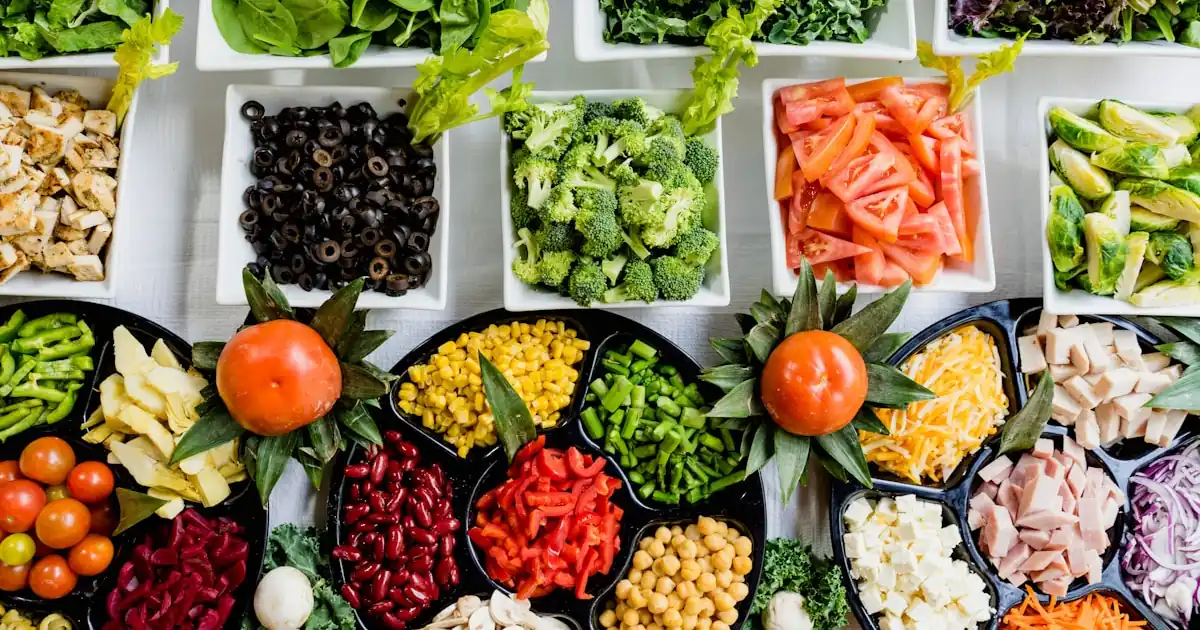
Examples include broccoli, spinach, peppers, carrots, cucumber, tomatoes, and green beans.
Fiber-Rich Carbohydrate
Examples include potatoes, brown rice, quinoa, beans, and lentils.
Healthy Fat
Examples include olive oil, avocado, nuts, and seeds.
This gives you protein, carbohydrates, fiber, vitamins, minerals, and healthy fats in the same meal.
Chicken Breast vs Chicken Thigh: Which Is Healthier?
Both chicken breast and chicken thigh can fit into a healthy diet.
The main difference is that chicken breast is typically leaner and higher in protein per calorie, while chicken thigh contains more fat.
Approximate values per 100 grams of cooked, skinless meat are:
| Nutrient | Chicken Breast | Chicken Thigh |
|---|---|---|
| Calories | 165 | 179 |
| Protein | 31 g | 25 g |
| Total Fat |
|
|
| Saturated Fat | 1 g |
|
| Carbohydrates | 0 g | 0 g |
| Iron | About 1 mg | About 1.1 mg |
| Zinc | About 1 mg | About 1.9 mg |
Choose Chicken Breast If You Want
- More protein per calorie
- Less total fat
- Less saturated fat
- A leaner protein source
- Easier calorie control
Choose Chicken Thigh If You Prefer
- Richer flavor
- Juicier texture
- Slightly more dietary fat
- Somewhat more zinc
- Darker meat
If your main goal is maximizing protein while keeping calories lower, chicken breast has an advantage.
But skinless chicken thigh can still be part of a nutritious diet.
Chicken Breast With Skin vs Without Skin
Leaving the skin on increases the fat and calorie content of chicken.
That does not mean chicken skin must always be avoided.
However, if your main goal is calorie control, lower fat intake, or maximum protein per calorie, skinless chicken breast is usually the more practical choice.
Preparation still matters.
Skinless chicken covered in heavy breading and deep-fried in oil can contain far more calories than simply roasted chicken with a small amount of skin.
Always evaluate the entire dish.
Best Ways to Cook Chicken Without Adding Too Many Calories
Chicken breast starts out relatively lean.
The cooking method can either preserve that advantage or add a large amount of extra calories.
1. Grilling
Grilling gives chicken plenty of flavor without requiring large amounts of oil.
Season it with black pepper, paprika, garlic, chili, cumin, oregano, rosemary, lemon, or lime.
Herbs and spices can add plenty of flavor for very few calories.
2. Baking
Baking is one of the easiest ways to cook chicken breast, especially for meal preparation.
Try using parchment paper, herbs, spices, lemon juice, garlic, and a measured amount of oil.
If you are watching calories, avoid pouring oil freely from the bottle. Measure it instead.
3. Poaching
Poaching requires little or no added fat.
Chicken can be gently cooked in water, low-sodium broth, garlic, onion, herbs, or peppercorns.
Poached chicken works well in salads, soups, wraps, sandwiches, and meal prep.
4. Air Frying
An air fryer can create a browned or crisp exterior while using less oil than traditional deep frying.
A small amount of oil may be enough.
However, air frying does not automatically make a meal low in calories. Breading, cheese, sugary sauce, and heavy coatings still add calories.
5. Steaming
Steaming requires no added cooking fat.
Because steamed chicken has a mild flavor, use herbs, lemon, black pepper, chili flakes, garlic, or yogurt-based sauces.
6. Pan-Searing With Measured Oil
Pan-searing can still fit into a healthy diet.
The key is portion control with cooking oil.
Instead of pouring directly into the pan, measure the amount you use.
Cooking Methods That Can Add a Lot of Calories
If your goal is keeping calories moderate, be more mindful of deep frying, thick breading, butter-heavy cooking, cream sauces, cheese sauces, mayonnaise-heavy chicken salads, sugary barbecue sauces, and large quantities of oil.
Often, chicken itself is not the high-calorie part of the meal. The additions are.
How to Make Chicken Breast Taste Better Without Adding Many Calories
Chicken breast gets a bad reputation for being dry and bland.
Usually, that is a cooking problem rather than a chicken problem.
Use More Herbs and Spices
Try combinations such as:
Mediterranean Style
Garlic + oregano + lemon + black pepper
Smoky Chicken
Paprika + cumin + garlic + chili
Herb Chicken
Rosemary + thyme + garlic + lemon
Spicy Chicken
Chili flakes + paprika + lime + black pepper
Use a Simple Marinade
Marinades can improve flavor without requiring heavy sauces.
Try:
Greek yogurt + garlic + lemon + paprika
or:
Lemon juice + garlic + herbs + a small amount of olive oil
Cook Chicken Evenly
Chicken breasts are often much thicker at one end.
Gently flattening the breast to a more even thickness can help it cook more consistently.
This reduces the chance of the thinner section becoming dry before the thickest part is fully cooked.
What Temperature Should Chicken Breast Reach?
Food safety is an important part of cooking poultry.
Chicken should reach an internal temperature of at least 165°F or approximately 74°C.
Check the thickest part of the chicken with a food thermometer.
Do not rely only on color, firmness, cooking time, or whether the juices look clear.
Should You Wash Raw Chicken Before Cooking?
No.
Washing raw chicken under running water can spread contaminated droplets around your kitchen.
Those droplets may reach sinks, countertops, utensils, dishes, and nearby foods.
Proper cooking, rather than washing, is what makes chicken safe to eat.
A better food-safety routine is:
- Keep raw poultry separate from ready-to-eat foods.
- Wash your hands after handling raw chicken.
- Clean utensils and surfaces.
- Cook chicken thoroughly.
- Never place cooked chicken on a plate that previously held raw chicken unless it has been washed.
How Long Does Chicken Breast Last in the Refrigerator?
As a general food-safety guideline:
Raw Chicken
Use refrigerated raw chicken within approximately 1 to 2 days.
Cooked Chicken
Cooked chicken should generally be eaten within approximately 3 to 4 days when stored properly in the refrigerator.
Keep your refrigerator at about 40°F / 4°C or below.
If you do not expect to use raw chicken soon, freezing is usually a better option.
Can You Eat Chicken Breast Every Day?
Chicken breast can certainly be eaten regularly.
However, eating the same protein food every single day is not necessary.
A varied diet can provide a broader range of nutrients.
Consider rotating chicken with fish, eggs, Greek yogurt, cottage cheese, beans, lentils, tofu, tempeh, lean beef, nuts, and seeds.
Different foods offer different combinations of vitamins, minerals, fats, fiber, and other nutrients.
Variety also makes healthy eating easier to maintain.
Is Chicken Breast Good for Muscle Gain?
Yes, chicken breast can be an excellent protein source for people trying to build muscle.
It provides complete protein, essential amino acids, relatively little fat, almost no carbohydrates, and a high amount of protein per serving.
But eating chicken alone will not build muscle.
Muscle gain also requires resistance training, adequate calories, sufficient protein, carbohydrates for training, healthy fats, sleep, recovery, and consistency.
Chicken breast is one convenient part of the overall process.
Chicken Breast for Weight Loss vs Muscle Gain
Chicken breast can work for either goal.
The main difference is what you eat with it.
For Weight Loss
A meal might include chicken breast, a large vegetable serving, a moderate potato or rice portion, and a light dressing.
For Muscle Gain
A meal might include a larger chicken portion, more rice or potatoes, vegetables, and additional healthy fats.
The chicken remains the same. The total calorie intake changes.
Is Chicken Breast Healthier Than Red Meat?
The answer depends on which cut of meat you are comparing.
Skinless chicken breast is naturally very lean.
Some cuts of beef and lamb contain considerably more fat, while lean cuts of red meat can also provide plenty of protein with moderate fat.
Instead of thinking of one food as universally better, consider portion size, total fat, saturated fat, sodium, processing, cooking method, and your overall dietary pattern.
A balanced diet can include more than one type of protein.
Is Grilled Chicken Breast Healthy?
Plain grilled chicken breast is a nutritious, high-protein food.
What you serve with it makes a major difference.
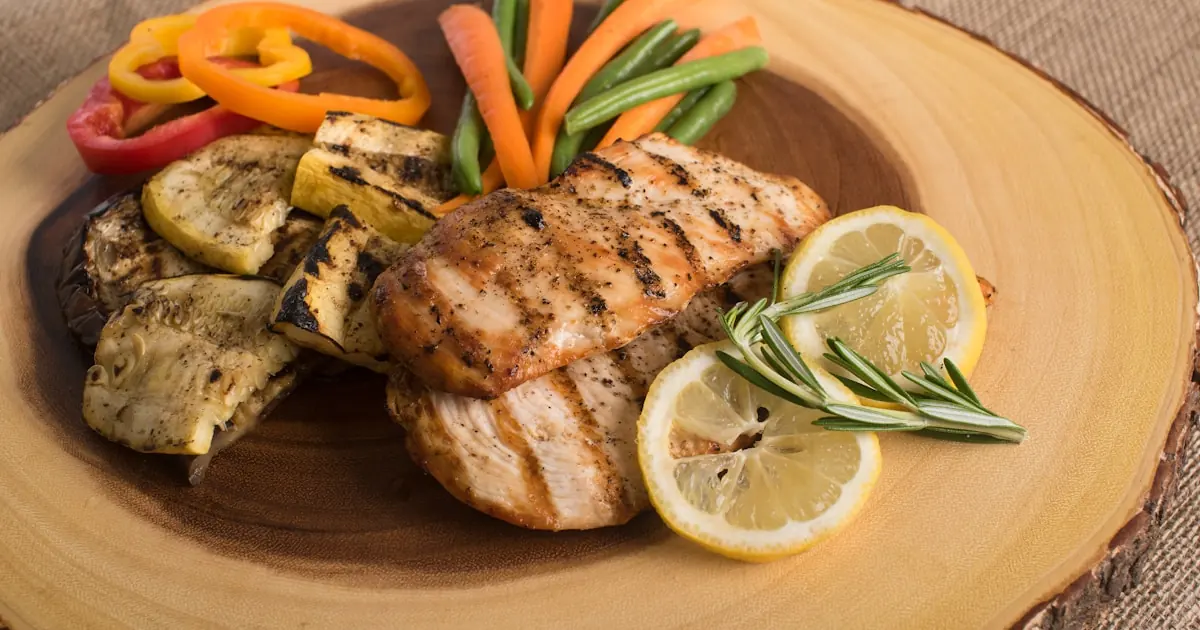
A lighter option might be grilled chicken with vegetables, herbs, and lemon.
A higher-calorie option might include grilled chicken with cheese, mayonnaise, creamy sauce, and fries.
Both meals contain grilled chicken, but the complete meal determines the final nutritional profile.
Does Chicken Breast Have Fat?
Yes.
Chicken breast is lean, but it is not completely fat-free.
Approximately 100 grams of cooked, skinless chicken breast contains around 3 to 4 grams of total fat.
Does Chicken Breast Have Carbohydrates?
Plain chicken breast contains virtually no carbohydrates.
However, carbohydrates may be added through breadcrumbs, flour, sweet marinades, barbecue sauce, teriyaki sauce, wraps, or buns.
Does Chicken Breast Have Fiber?
No.
Chicken contains no dietary fiber.
This is one reason it is a good idea to serve chicken with plant foods such as vegetables, beans, lentils, whole grains, and fruit.
Is Chicken Breast Better Than Protein Powder?
Neither is automatically better.
They serve slightly different purposes.
Chicken breast provides protein, vitamins, minerals, and a complete whole food.
Protein powder offers convenience, portability, quick protein intake, and easy post-workout use.
Most people do not need to choose only one.
Whole foods can form the foundation of the diet, while supplements may be useful when convenience matters.
Frequently Asked Questions
The Bottom Line
Chicken breast is one of the most convenient foods for anyone looking for a lean source of high-quality protein.
Approximately 100 grams of cooked, skinless chicken breast provides:
165 calories
31 grams of protein
3.6 grams of fat
Virtually 0 grams of carbohydrates
Chicken is also a complete protein, meaning it provides all nine essential amino acids.
It contributes useful nutrients such as niacin, vitamin B6, selenium, phosphorus, and potassium.
If calorie control is important, chicken breast generally provides more protein and less fat than chicken thigh. However, both can fit into a healthy diet.
Preparation matters too.
Grilling, baking, poaching, steaming, and air frying with minimal added fat can help keep chicken relatively lean, while deep frying, heavy breading, creamy sauces, and large amounts of oil can significantly increase calories.
Most importantly, chicken breast should be viewed as one part of an overall balanced diet.
Pair it with vegetables, whole grains, beans, lentils, potatoes, fruit, and healthy fats to create meals that provide more than protein alone.