Secondary Keywords: healthy carbs, simple carbs vs complex carbs, how many carbs per day, whole grains, oats nutrition, rice nutrition, brown rice vs white rice, quinoa vs rice, whole wheat vs white bread, carbs for weight loss, carbs before workout, complex carbohydrates, refined carbohydrates
Carbohydrates & Whole Grains: Healthy Carbs, Nutrition, Daily Needs, Weight Loss & Exercise Guide
Carbohydrates may be one of the most misunderstood parts of nutrition.
One day, carbs are described as the body's preferred source of energy. The next, they are blamed for weight gain, blood sugar problems, and nearly every dietary challenge.
The reality is much more practical.
A bowl of oats, a serving of lentils, a baked potato, a sugary drink, and a frosted pastry all contain carbohydrates—but nutritionally, they are very different foods.
That is why asking whether “carbs are healthy” is not especially useful.
A better question is:
What type of carbohydrate are you eating, how much are you eating, and what nutrients come with it?
Carbohydrate-rich foods such as whole grains, fruit, vegetables, legumes, and minimally processed starches can provide energy, fiber, vitamins, minerals, and useful plant compounds. Highly refined carbohydrate foods, on the other hand, may provide plenty of calories while contributing much less fiber and nutritional value.
This guide explains what carbohydrates are, simple vs complex carbs, healthy vs less nutritious carbohydrate sources, oats, rice, quinoa, whole grains, bread, barley, daily carb requirements, carbs for weight management, exercise nutrition, and refined carbohydrates.
Carbohydrates at a Glance
Carbohydrates are one of the three major macronutrients.
The other two are:
- protein
- fat
Carbohydrates provide approximately 4 calories per gram.
Your body breaks many digestible carbohydrates down into glucose, which can be used for energy.
Carbohydrates are found naturally in foods such as:
- fruit
- vegetables
- grains
- beans
- lentils
- milk
- yogurt
They are also present in foods containing added sugars and refined flour.
Quick Answer
Carbohydrates are an important source of energy, particularly for the brain and exercising muscles.
The healthiest approach is generally not to avoid carbohydrates entirely, but to obtain most of them from whole grains, legumes, fruits, vegetables, and other minimally processed foods.
What Are Carbohydrates?
Carbohydrates are molecules made primarily from carbon, hydrogen, and oxygen.
From a nutrition perspective, carbohydrates are commonly divided into:
- sugars
- starches
- fiber
Sugars
Sugars are relatively small carbohydrate molecules.
They occur naturally in foods such as:
- fruit
- milk
- vegetables
Sugars can also be added to products such as:
- soft drinks
- candy
- desserts
- sweetened cereal
- flavored coffee drinks
Starches
Starch is made from longer chains of glucose molecules.
Common starch-containing foods include:
- potatoes
- rice
- oats
- bread
- pasta
- corn
- beans
Fiber
Fiber is a carbohydrate that human digestive enzymes cannot fully break down.
It plays important roles in digestive health and can help support:
- regular bowel movements
- satiety
- healthy gut bacteria
- normal cholesterol levels
- better overall diet quality
Why Does Your Body Need Carbohydrates?
Carbohydrates are especially useful because they can be converted relatively efficiently into glucose.
Glucose is used by cells throughout the body for energy.
Your muscles can also store carbohydrate in the form of glycogen.
During moderate- and high-intensity exercise, muscle glycogen becomes an important fuel source.
Your liver stores glycogen as well and helps regulate blood glucose between meals.
The body can survive on relatively low carbohydrate intake under certain circumstances, but that does not mean carbohydrates are unnecessary or unhealthy.
For many people, high-quality carbohydrate foods are an important part of an enjoyable and nutritionally balanced diet.
Simple Carbs vs Complex Carbs
The terms “simple” and “complex” refer largely to chemical structure.
Simple Carbohydrates
Simple carbohydrates include sugars composed of one or two sugar units.
Examples include:
- glucose
- fructose
- sucrose
- lactose
They are found in both nutritious and less nutritious foods.
For example:
Fruit contains simple sugars.
So does:
soda.
Yet their nutritional profiles are completely different.
Whole fruit also provides water, fiber, vitamins, minerals, and plant compounds.
Soda primarily provides water and added sugar.
This is why “simple carb” does not automatically mean unhealthy.
Complex Carbohydrates
Complex carbohydrates include longer chains of sugar molecules, especially starches.
Foods containing complex carbohydrates include:
- oats
- brown rice
- barley
- potatoes
- beans
- lentils
- whole-grain bread
Many complex-carbohydrate foods also provide fiber and micronutrients.
But again, the label is imperfect.
Some highly processed starches can be digested quickly.
The overall food matters more than the simple-versus-complex label alone.
Healthy Carbs vs Unhealthy Carbs
Instead of labeling carbohydrates as universally good or bad, it is more useful to consider the quality of the carbohydrate source.
More Nutrient-Dense Carbohydrate Sources
Examples include:
- oats
- barley
- brown rice
- quinoa
- beans
- lentils
- potatoes
- sweet potatoes
- fruit
- vegetables
- whole-grain bread
- whole-grain pasta
These generally provide nutrients beyond carbohydrate alone.
More Refined Carbohydrate Sources
Examples include:
- sugary drinks
- candy
- pastries
- many cookies
- cakes
- highly sweetened cereals
- refined snack foods
These foods can still be eaten occasionally, but they often provide less fiber and are easier to consume in large amounts.
The difference is not simply “carbs versus no carbs.”
It is often whole or minimally processed foods versus heavily refined foods.
Best Healthy High-Carb Foods
High-carbohydrate does not automatically mean unhealthy.
Some highly nutritious foods obtain a large portion of their calories from carbohydrates.
Examples include:
Oats
Provide complex carbohydrates, soluble fiber, protein, magnesium, and several other nutrients.
Potatoes
Provide carbohydrates, potassium, vitamin C, and vitamin B6.
Sweet Potatoes
Provide carbohydrates, fiber, potassium, and carotenoids.
Brown Rice
Provides carbohydrate along with fiber, manganese, magnesium, and other nutrients.
Quinoa
Provides carbohydrate plus fiber and more protein than many grains.
Beans and Lentils
Provide an especially useful combination of:
carbohydrates + protein + fiber
Fruit
Provides natural carbohydrates along with water, fiber, vitamins, minerals, and plant compounds.
Best Low-Carb Foods
Not everyone needs a low-carbohydrate diet, but knowing which foods naturally contain few carbohydrates can be useful.
Examples include:
- eggs
- fish
- chicken
- turkey
- lean meat
- tofu
- many cheeses
- leafy greens
- cucumber
- cauliflower
- zucchini
- mushrooms
- peppers
Nuts and seeds generally contain some carbohydrate but are often relatively low in digestible carbs.
The healthiest low-carb eating pattern still benefits from vegetables, adequate fiber, and good-quality fats rather than simply removing bread and replacing it with processed meat.
Oats Nutrition Facts and Benefits
Oats are one of the most useful whole grains for everyday eating.
A typical serving of dry oats, around 40 grams, provides approximately:
| Nutrient | Approximate Amount |
|---|---|
| Calories | 150 |
| Carbohydrates | 27 g |
| Protein | 5 g |
| Fiber | 4 g |
| Fat | 3 g |
Oats provide manganese, phosphorus, magnesium, iron, zinc, and several B vitamins.
What Makes Oats Special?
Oats contain a soluble fiber known as beta-glucan.
Beta-glucan can help increase the viscosity of food in the digestive tract and has been studied for its role in supporting healthy cholesterol levels.
Oats can also make breakfast more satisfying, especially when combined with protein and healthy fat.
Try:
oats + Greek yogurt + berries + chia seeds
instead of heavily sweetened instant oats eaten alone.
Are Oats Good for Weight Loss?
They can be.
Oats provide fiber and volume, which may help make meals satisfying.
However, oats still contain calories.
A bowl of plain oats is very different from oats loaded with:
- large amounts of sugar
- syrup
- chocolate
- excessive nut butter
- large portions of dried fruit
The overall recipe determines the final calorie content.
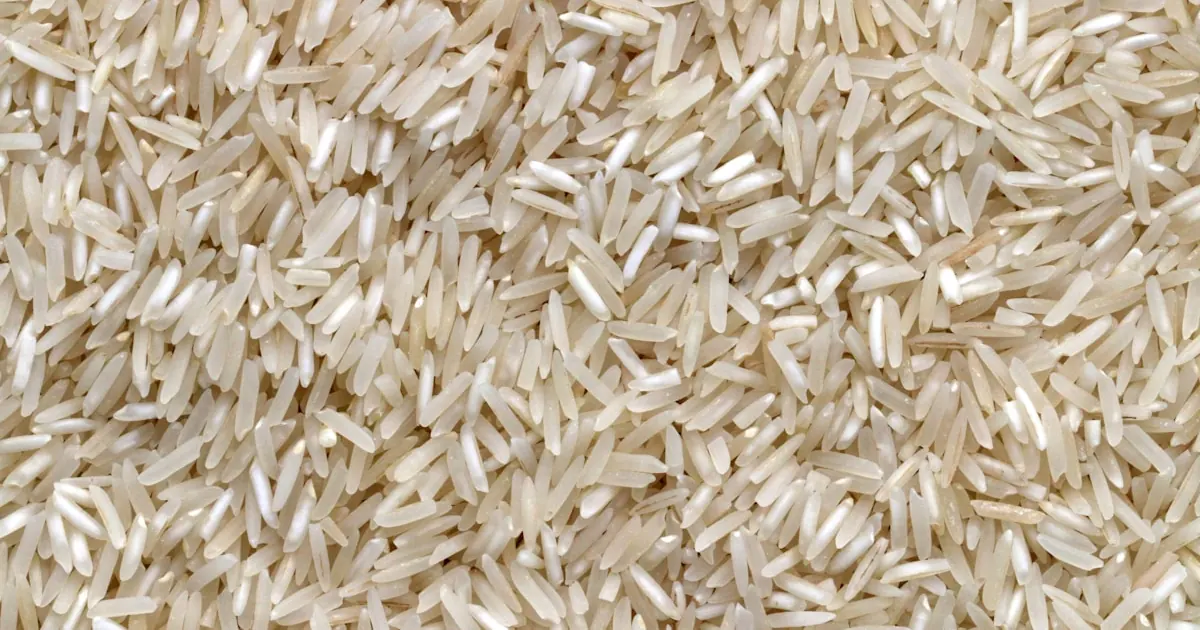
Rice Nutrition Facts
Rice is one of the world's most widely eaten carbohydrate foods.
The nutrition profile varies according to variety and cooking method.
A cup of cooked white rice commonly provides roughly:
200 calories
44–45 grams of carbohydrates
4 grams of protein
and relatively little fiber.
Rice is primarily an energy-providing carbohydrate food.
It can fit easily into balanced meals when combined with vegetables and a protein source.
White Rice vs Brown Rice
Brown rice retains the bran and germ layers that are largely removed during the production of white rice.
This gives brown rice more:
- fiber
- magnesium
- manganese
- certain B vitamins
- plant compounds
| Feature | White Rice | Brown Rice |
|---|---|---|
| Calories | Similar | Similar |
| Carbohydrates | High | High |
| Fiber | Lower | Higher |
| Texture | Softer | Chewier |
| Cooking time | Faster | Longer |
| Micronutrients | Often enriched | Naturally retains more |
Is Brown Rice Always Healthier?
Brown rice generally has a nutritional advantage because it contains more fiber and retains more of the original grain.
But white rice is not automatically unhealthy.
White rice can be especially useful for:
- people who prefer it
- athletes needing easily digested carbohydrates
- people with certain digestive conditions
- meals where brown rice is less suitable
What you eat with the rice matters too.
White rice served with beans, vegetables, and fish creates a very different meal from white rice eaten alone with a sugary sauce.
Brown Rice Nutrition Facts
A cup of cooked brown rice generally provides roughly:
- 215 calories
- 45 grams of carbohydrates
- about 5 grams of protein
- around 3–4 grams of fiber
Brown rice is a whole grain and contributes magnesium, manganese, phosphorus, and B vitamins.
Its higher fiber content can make it more filling than white rice for some people.
Quinoa vs Rice: Which Is Healthier?
Quinoa and rice can both be useful carbohydrate foods.
They simply have different nutritional strengths.
| Feature | Quinoa | White Rice |
|---|---|---|
| Calories per cooked cup | ~220 | ~200 |
| Protein | ~8 g | ~4 g |
| Fiber | ~5 g | <1 g |
| Complete protein | Yes | No |
| Carbohydrates | High | High |
| Magnesium | Higher | Lower |
| Texture | Firm | Softer |
Quinoa May Be Better If You Want
- more fiber
- more protein
- more magnesium
- a complete plant protein
Rice May Be Better If You Want
- a simpler flavor
- easier digestion
- a less expensive staple
- quick energy around exercise
- something easy to combine with many dishes
There is no need to make quinoa replace rice entirely.
Both can fit into a healthy diet.
Whole Wheat vs White Bread
The major difference is how much of the grain remains after processing.
Whole-Wheat Bread
Whole wheat retains:
- bran
- germ
- endosperm
This generally means more:
- fiber
- minerals
- vitamins
- plant compounds
White Bread
White flour has most of the bran and germ removed.
Some nutrients are often added back through enrichment, but the original fiber content remains lower.
| Feature | Whole-Wheat Bread | White Bread |
|---|---|---|
| Calories | Similar | Similar |
| Fiber | Higher | Lower |
| Whole grain | Yes | Usually no |
| Texture | Denser | Softer |
| Satiety | Often higher | Often lower |
How to Choose Whole-Grain Bread
Do not rely only on the color of the loaf.
A brown-looking bread is not necessarily whole grain.
Look for an ingredient such as:
whole wheat flour
or another whole grain near the beginning of the ingredient list.
Best Whole Grains for a Healthy Diet
Whole grains are grains that retain the bran, germ, and endosperm.
Useful options include:
- oats
- barley
- brown rice
- quinoa
- bulgur
- whole wheat
- rye
- buckwheat
- millet
- farro
- sorghum
- whole-grain corn
Different grains provide different textures, flavors, and nutrient profiles.
There is no reason to eat only brown rice.
Rotating grains can make a diet more varied and easier to maintain.
Barley Nutrition and Benefits
Barley is an underrated whole grain.
It contains substantial fiber, including beta-glucan.
A cooked cup of pearled barley provides roughly:
- 190 calories
- 44 grams of carbohydrates
- 4 grams of protein
- around 6 grams of fiber
Whole-grain hulled barley contains even more of the original grain structure than pearled barley.
Barley works especially well in:
- soups
- grain bowls
- stews
- salads
Whole Grain Foods List
Examples of whole-grain foods include:
- oatmeal
- whole oats
- brown rice
- wild rice
- barley
- quinoa
- bulgur
- whole-wheat bread
- whole-wheat pasta
- whole-grain tortillas
- rye
- buckwheat
- farro
- millet
- sorghum
- popcorn
Yes, plain popcorn is a whole grain.
What changes its nutritional profile is often the amount of butter, sugar, salt, or flavored coating added to it.
What Are the Healthiest Carbohydrate Sources?
A practical ranking is to prioritize carbohydrate foods that also provide other nutrients.
Excellent choices include:
Legumes
Beans, lentils, peas, and chickpeas provide carbohydrates, protein, and fiber.
Whole Grains
Oats, brown rice, barley, quinoa, and whole wheat provide fiber and micronutrients.
Fruit
Provides carbohydrates alongside vitamins, fiber, and water.
Starchy Vegetables
Potatoes, sweet potatoes, peas, and corn provide energy along with vitamins and minerals.
Dairy
Milk and yogurt naturally contain lactose and also provide protein and calcium.
How Many Carbs Should You Eat Per Day?
There is no single carbohydrate target that is ideal for everyone.
A commonly used dietary guideline allows carbohydrates to provide roughly 45% to 65% of total daily calories for adults.
For someone eating 2,000 calories per day, that would roughly correspond to:
225 to 325 grams of carbohydrate per day.
But this is a broad range, not a prescription.
Your ideal intake can depend on:
- total calorie needs
- body size
- activity level
- exercise type
- food preferences
- metabolic health
- medical conditions
- weight goals
An endurance athlete may need considerably more carbohydrate than someone who is sedentary.
Do You Need 300 Grams of Carbs a Day?
Not necessarily.
The appropriate amount depends on your individual energy requirements and dietary pattern.
Someone eating 1,600 calories per day will naturally have a different carbohydrate target from an athlete consuming 3,500 calories.
Rather than chasing a universal number, focus first on the quality of your carbohydrate sources.
Carbs for Weight Loss: Should You Cut Them?
You do not have to remove carbohydrates to lose weight.
Weight loss occurs when energy intake remains below energy expenditure over time.
A low-carb diet can help some people achieve that because it removes or limits many foods.
But other people lose weight successfully while eating oats, rice, fruit, potatoes, beans, and whole-grain bread.
The important question is whether your diet helps you:
- maintain an appropriate calorie intake
- obtain enough protein
- consume enough fiber
- eat sufficient micronutrients
- stay satisfied
- stick with the plan long term
Do Carbs Make You Gain Fat?
Eating more total energy than your body needs over time can contribute to fat gain.
That energy can come from carbohydrates, fats, protein, or combinations of them.
Carbohydrates themselves are not automatically converted into body fat simply because you eat rice or potatoes.
The larger issue is total dietary intake.
Foods such as sugary beverages and refined snacks can make overeating easier because they provide many calories with relatively little satiety.
Why Does Body Weight Sometimes Increase After Eating More Carbs?
Carbohydrates are stored as glycogen in the muscles and liver.
Glycogen is stored with water.
Therefore, when someone increases carbohydrate intake after following a low-carb diet, scale weight may increase relatively quickly.
That does not necessarily mean they gained the same amount of body fat.
Some of the difference may come from:
- glycogen
- associated water
- increased food volume
This is an important distinction.
Carbs Before Exercise
Carbohydrates can be particularly useful before moderate- or high-intensity exercise.
Pre-workout carbohydrate foods might include:
- banana
- oats
- rice
- potatoes
- bread
- fruit
- cereal
The ideal amount depends on:
- workout duration
- workout intensity
- meal timing
- individual tolerance
Shortly Before Exercise
Easy-to-digest foods may work better.
Examples:
- banana
- toast
- rice cakes
Several Hours Before Exercise
A larger balanced meal may include:
rice + chicken + vegetables
or:
oats + yogurt + fruit
Carbs After Exercise
After exercise, carbohydrate helps replenish glycogen.
This becomes particularly important for:
- endurance athletes
- people training more than once a day
- long-duration exercise
- high-volume training
A post-workout meal can combine carbohydrate with protein.
Examples:
rice + chicken
potatoes + fish
oats + Greek yogurt
banana + milk
Protein supports muscle repair while carbohydrate helps replenish energy stores.
Carbs Before or After Workout: Which Is Better?
Both can be useful.
Before Exercise
Carbs can help provide fuel.
After Exercise
Carbs can help restore glycogen.
For someone exercising casually for less than an hour, precise timing is usually less important than overall daily nutrition.
For competitive or high-volume athletes, timing becomes more important.
Foods High in Complex Carbohydrates
Useful complex-carb foods include:
- oats
- brown rice
- barley
- quinoa
- whole-grain pasta
- potatoes
- sweet potatoes
- beans
- lentils
- chickpeas
- whole-grain bread
- corn
- peas
Most of these provide fiber, vitamins, minerals, or protein alongside carbohydrate.
Foods High in Refined Carbohydrates
Refined carbohydrates typically have much of their original grain structure removed or contain concentrated added sugar.
Examples include:
- white flour pastries
- candy
- cookies
- sugary breakfast cereals
- sweetened beverages
- cakes
- donuts
- many packaged desserts
- refined crackers
- sweet bakery products
White bread and white rice are also technically refined grains, but they should not automatically be placed in the same nutritional category as candy or soda.
The overall food and meal still matter.
Are Refined Carbs Always Bad?
No food needs to be morally labeled “bad.”
A slice of white bread or a bowl of white rice can comfortably fit into a balanced diet.
The concern is when refined, low-fiber foods dominate the diet and displace:
- vegetables
- fruit
- legumes
- whole grains
- protein-rich foods
Frequency and overall dietary pattern matter more than one isolated meal.
Fiber: The Carbohydrate Most People Should Pay More Attention To
Instead of obsessing only about total carbs, many people would benefit from paying more attention to fiber.
Fiber-rich carbohydrate foods include:
- oats
- barley
- lentils
- beans
- chickpeas
- berries
- apples
- pears
- vegetables
- whole grains
- chia seeds
Fiber can contribute to digestive health and meal satisfaction.
Increasing fiber gradually is often more comfortable than suddenly doubling intake.
Adequate fluid intake is also important.
Is a Low-Carb Diet Healthy?
It can be, depending on how it is constructed.
A thoughtful lower-carb diet might contain:
- vegetables
- eggs
- fish
- poultry
- tofu
- Greek yogurt
- nuts
- seeds
- olive oil
- avocado
A poorly constructed low-carb diet might contain mostly:
- processed meat
- butter
- cheese
- very little fiber
- few vegetables
Simply reducing carbohydrate does not automatically improve diet quality.
Are Carbs Bad for Blood Sugar?
Carbohydrate is the nutrient with the greatest immediate effect on blood glucose.
But carbohydrate foods differ dramatically.
A meal containing lentils, vegetables, and whole grains generally behaves differently from a sugary drink.
Factors influencing blood glucose response include:
- amount of carbohydrate
- fiber
- protein
- fat
- processing
- cooking
- portion size
- individual metabolism
People with diabetes may need personalized carbohydrate planning rather than broad internet rules.
How to Build a Balanced Carbohydrate Meal
Instead of eating carbohydrates alone, combine them with other macronutrients.
A simple formula is:
Protein
Chicken, fish, eggs, tofu, lentils, yogurt, or lean meat
Carbohydrate
Rice, oats, potatoes, quinoa, bread, pasta, or fruit
Vegetables
Broccoli, spinach, peppers, carrots, tomatoes, or other vegetables
Healthy Fat
Olive oil, avocado, nuts, or seeds
For example:
salmon + brown rice + broccoli + olive oil
provides protein, carbohydrates, fiber, fat, vitamins, and minerals.
Frequently Asked Questions
The Bottom Line
Carbohydrates do not deserve either a health halo or a warning label.
They are simply one of the major nutrients your body can use for energy.
The quality of the food matters far more than the word “carbohydrate.”
Oats provide fiber, complex carbohydrates, minerals, and beta-glucan.
Brown rice retains more fiber than white rice, while white rice remains a useful and easily digested carbohydrate source.
Quinoa offers more protein and fiber than many common grains.
Whole-wheat bread generally provides more fiber than white bread.
Barley stands out for its fiber content, including beta-glucan.
Beans and lentils are especially valuable because they combine carbohydrates, protein, and fiber.
Potatoes and sweet potatoes provide nutritious starches and important micronutrients.
For many adults, carbohydrates can reasonably provide a substantial portion of total calorie intake, although the ideal amount depends on activity, health, goals, and preferences.
Carbohydrates can also play an important role around exercise by supplying fuel beforehand and helping replenish glycogen afterward.
If you want to improve carbohydrate quality, you do not need to eliminate bread, rice, or potatoes.
A more useful strategy is to make whole grains, legumes, fruits, vegetables, and minimally processed starches your everyday carbohydrate sources while keeping sugary drinks and heavily refined foods as a smaller part of the overall diet.