How Much Protein Is in Common Foods? 20 Foods Compared by Serving Size
Secondary Keywords: how much protein in an egg, protein in chicken breast, protein in salmon, protein in tuna, protein in beef, protein in Greek yogurt, protein in cottage cheese, protein in milk, protein in lentils, protein in chickpeas, protein in beans, protein in tofu, protein in quinoa, protein in oats, protein in almonds, protein in peanut butter, protein in rice, protein in bread, protein in shrimp, protein in turkey
How Much Protein Is in Common Foods? 20 Foods Compared by Serving Size
Trying to eat more protein sounds simple until you actually start counting it.
Does one egg contain enough protein for breakfast? How much protein is really in a chicken breast? Is Greek yogurt significantly higher in protein than milk? And do foods such as quinoa, rice, oats and almonds contribute enough protein to matter?
The answers can be surprisingly different.
For example, one large egg provides a little over 6 grams of protein, while 100 grams of cooked chicken breast provides roughly 31 grams. A cup of cooked lentils delivers around 18 grams, while a cup of cooked white rice contributes only about 4 grams.
That does not make rice “bad” or chicken “better” in every respect. They simply play different nutritional roles.
This guide answers 20 common “how much protein is in…” questions using practical serving sizes so you can quickly estimate how much protein you are getting from everyday foods.
Values are approximate because protein content can change with the variety, brand, cut of meat, cooking method and amount of water in the finished food.
Quick Answer: Protein in 20 Common Foods
| Food | Typical Serving | Approx. Protein |
|---|---|---|
| Egg | 1 large | ~6.3 g |
| Chicken breast | 100 g cooked | ~31 g |
| Salmon | 100 g cooked | ~22–25 g |
| Tuna | 100 g | ~25–29 g |
| Lean beef | 100 g cooked | ~26–30 g |
| Greek yogurt | 170 g | ~15–18 g |
| Cottage cheese | 1 cup | ~24–28 g |
| Milk | 1 cup | ~8 g |
| Lentils | 1 cup cooked | ~18 g |
| Chickpeas | 1 cup cooked | ~14–15 g |
| Beans | 1 cup cooked | ~14–16 g |
| Firm tofu | 100 g | ~15–18 g |
| Quinoa | 1 cup cooked | ~8 g |
| Oats | 1 cup cooked | ~5–6 g |
| Almonds | 1 oz / 28 g | ~6 g |
| Peanut butter | 2 tbsp | ~7–8 g |
| Rice | 1 cup cooked | ~4–5 g |
| Bread | 1 slice | ~3–5 g |
| Shrimp | 100 g cooked | ~23–24 g |
| Turkey breast | 100 g cooked | ~29–30 g |
Quick Answer
If your goal is to get the most protein from a reasonable serving, chicken breast, turkey breast, tuna, lean beef and shrimp are among the most concentrated options in this list.
For plant-based diets, lentils, beans, chickpeas, tofu and soy foods are especially useful because they can contribute meaningful protein alongside fiber and other nutrients.
Why Protein Amounts Can Look Different Online
Before comparing numbers, there is one important detail to understand.
The protein in a food does not suddenly change dramatically from one database to another. What usually changes is the serving size or preparation method.
For example:
100 g raw chicken
is not the same as:
100 g cooked chicken.
Chicken loses water during cooking, so the cooked meat becomes more concentrated in both calories and protein per 100 grams.
The same issue applies to:
- beef
- turkey
- fish
- oats
- rice
- quinoa
- legumes
Dry oats contain much more protein per 100 grams than cooked oatmeal because cooked oatmeal contains a lot of water.
Throughout this article, serving forms are clearly labeled whenever possible.
How Much Protein Is in an Egg?
Quick Answer
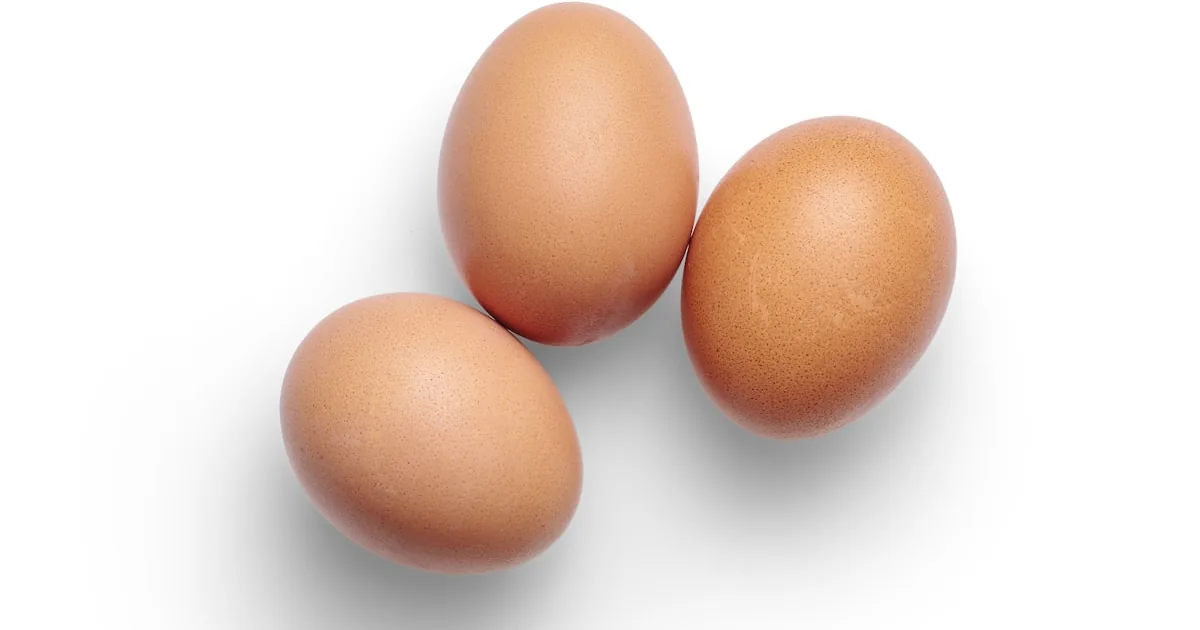
One large egg contains approximately 6.3 grams of protein.
Protein increases with egg size.
| Egg Size | Approx. Protein |
|---|---|
| Small | ~4.8 g |
| Medium | ~5.5 g |
| Large | ~6.3 g |
| Extra-large | ~7 g |
| Jumbo | ~7.9 g |
How Much Protein Is in 2 Eggs?
Two large eggs provide approximately:
12.6 grams of protein
How Much Protein Is in 3 Eggs?
Three large eggs provide approximately:
18.9 grams
or roughly:
19 grams of protein
How Much Protein Is in 4 Eggs?
Four large eggs provide approximately:
25 grams of protein
This can make four eggs a substantial protein meal, although they also provide more calories and dietary fat than egg whites alone.
Is Egg Protein High Quality?
Yes.
Eggs provide all nine essential amino acids, making them a complete protein.
Much of the protein is in the egg white, but the yolk also contributes protein along with:
- choline
- vitamin B12
- selenium
- carotenoids
- fat-soluble nutrients
A large egg contains roughly:
3.5–3.6 grams of protein in the white
with the remaining protein coming from the yolk.
How Much Protein Is in Chicken Breast?
Quick Answer
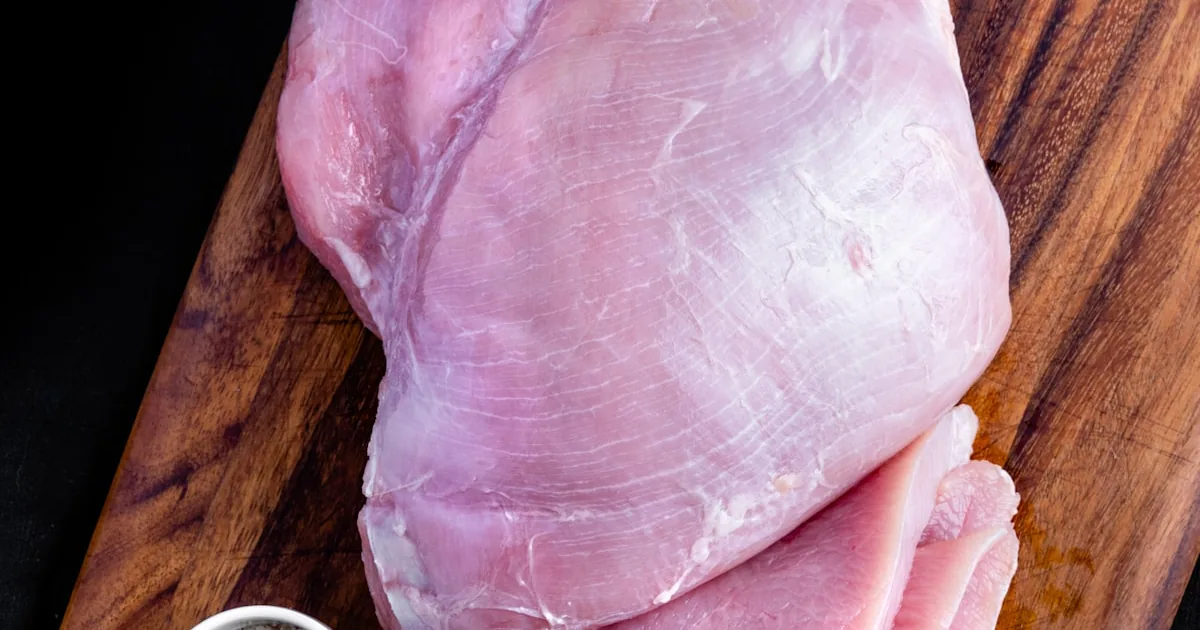
Cooked skinless chicken breast provides about 31 grams of protein per 100 grams.
It is one of the most protein-dense commonly eaten foods.
Chicken Breast Protein by Portion
| Cooked Chicken Breast | Approx. Protein |
|---|---|
| 3 oz / 85 g | ~26 g |
| 100 g | ~31 g |
| 4 oz / 113 g | ~35 g |
| 5 oz / 142 g | ~44 g |
| 6 oz / 170 g | ~52–53 g |
| 200 g | ~62 g |
How Much Protein Is in One Chicken Breast?
There is no single number because chicken breasts vary greatly in size.
A small cooked chicken breast may provide around:
35–40 grams
while a large breast can easily provide:
50 grams or more.
Weighing the cooked portion gives you a more accurate estimate.
Why Is Chicken Breast So High in Protein?
Skinless chicken breast is mostly:
- water
- protein
- a relatively small amount of fat
It contains virtually no carbohydrate.
This gives chicken breast a very high protein-to-calorie ratio.
Approximately 100 grams cooked provides:
~165 calories
and:
~31 grams of protein.
That makes it useful for:
- high-protein diets
- muscle-building meals
- weight-management diets
- meal preparation
How Much Protein Is in Salmon?
Quick Answer
Most cooked salmon provides roughly 22–25 grams of protein per 100 grams.
Exact values differ by salmon species and cooking method.
Salmon Protein by Serving Size
| Cooked Salmon | Approx. Protein |
|---|---|
| 3 oz / 85 g | ~18–21 g |
| 100 g | ~22–25 g |
| 4 oz / 113 g | ~25–28 g |
| 5 oz / 142 g | ~31–35 g |
| 6 oz / 170 g | ~37–42 g |
| 200 g | ~44–50 g |
Salmon is not quite as protein-dense as chicken or tuna because it naturally contains more fat.
But much of that fat includes beneficial omega-3 fatty acids, particularly EPA and DHA.
Is Salmon a Complete Protein?
Yes.
Like other fish, salmon provides all nine essential amino acids.
It also contributes nutrients such as:
- vitamin B12
- selenium
- vitamin D
- omega-3 fats
This makes salmon a particularly nutrient-dense protein source.
How Much Protein Is in Tuna?
Quick Answer
Tuna typically provides around 25–29 grams of protein per 100 grams, depending on the species and preparation.
Tuna is one of the leanest concentrated protein sources.
Tuna Protein by Serving
| Tuna | Approx. Protein |
|---|---|
| 3 oz / 85 g | ~20–24 g |
| 100 g | ~25–29 g |
| 4 oz / 113 g | ~28–33 g |
| 5 oz / 142 g | ~35–40 g |
| 1 small can, drained | Often ~20–30 g |
Canned tuna values vary according to:
- can size
- tuna species
- whether packed in oil or water
- drained weight
Check the package label when precision matters.
Tuna vs Salmon for Protein
If protein per calorie is your priority, tuna usually wins.
Tuna often contains roughly:
25–29 g protein per 100 g
compared with:
22–25 g for salmon.
However, salmon generally provides much more omega-3 fat.
So the better choice depends on what you want from the meal.
How Much Protein Is in Beef?
Quick Answer
Cooked lean beef generally provides about 26–30 grams of protein per 100 grams.
The amount depends heavily on the cut and fat content.
Beef Protein by Serving
| Cooked Lean Beef | Approx. Protein |
|---|---|
| 3 oz / 85 g | ~22–26 g |
| 100 g | ~26–30 g |
| 4 oz / 113 g | ~29–34 g |
| 5 oz / 142 g | ~37–43 g |
| 6 oz / 170 g | ~44–50 g |
| 200 g | ~52–60 g |
Does Fatty Beef Have Less Protein?
Fat takes up space in the meat.
So fattier cuts may provide somewhat less protein per calorie than leaner cuts.
For example, lean sirloin and extra-lean ground beef generally provide more efficient protein than heavily marbled cuts.
Why Choose Beef for Protein?
Beef provides complete protein plus several nutrients that are particularly concentrated in red meat:
- heme iron
- zinc
- vitamin B12
- selenium
So although chicken may provide slightly more protein per calorie, beef offers a different micronutrient profile.
How Much Protein Is in Greek Yogurt?
Quick Answer
A typical 170-gram serving of plain Greek yogurt provides approximately 15–18 grams of protein.
Some higher-protein products contain 20 grams or more.
Greek Yogurt Protein by Serving
| Plain Greek Yogurt | Approx. Protein |
|---|---|
| 100 g | ~9–10 g |
| 150 g | ~13–16 g |
| 170 g | ~15–18 g |
| 200 g | ~18–21 g |
| 1 cup | ~20–25 g, depending on product |
The exact amount varies according to:
- straining
- fat level
- brand
- added milk protein
Why Is Greek Yogurt Higher in Protein Than Regular Yogurt?
Greek yogurt is strained to remove part of the liquid whey.
This concentrates the remaining:
- protein
- solids
- texture
As a result, Greek yogurt often contains nearly twice as much protein as standard yogurt in a similar-sized serving.
Is Greek Yogurt a Complete Protein?
Yes.
Dairy proteins contain all nine essential amino acids.
Greek yogurt can therefore be useful for:
- breakfast
- post-workout meals
- high-protein snacks
- weight-management meals
Choosing plain versions also gives you more control over added sugar.
How Much Protein Is in Cottage Cheese?
Quick Answer
One cup of cottage cheese commonly provides around 24–28 grams of protein.
This makes cottage cheese one of the most protein-dense dairy foods.
Cottage Cheese Protein by Serving
| Cottage Cheese | Approx. Protein |
|---|---|
| 1/4 cup | ~6–7 g |
| 1/2 cup | ~12–14 g |
| 3/4 cup | ~18–21 g |
| 1 cup | ~24–28 g |
Values vary depending on the brand and fat percentage.
Is Cottage Cheese Good for Protein Before Bed?
Cottage cheese contains a large proportion of casein, a slowly digested dairy protein.
That makes it a convenient evening protein source for people who enjoy it.
However, you do not need cottage cheese specifically before bed to build muscle.
Total daily protein intake remains more important.
Greek Yogurt vs Cottage Cheese for Protein
Both are excellent.
A typical Greek yogurt serving:
~15–18 g protein
A half-cup cottage cheese:
~12–14 g protein
A full cup cottage cheese:
~24–28 g protein
The apparent winner depends heavily on serving size.
Cottage cheese can also be relatively high in sodium, so check labels if sodium intake matters.
How Much Protein Is in Milk?
Quick Answer
One cup of cow's milk provides approximately 8 grams of protein.
The protein amount stays fairly similar across fat levels.
| Milk | Approx. Protein per Cup |
|---|---|
| Whole milk | ~8 g |
| 2% milk | ~8 g |
| 1% milk | ~8 g |
| Skim milk | ~8 g |
The biggest differences are calories and fat, not protein.
What Type of Protein Is in Milk?
Milk contains two major groups of proteins:
casein
and:
whey
Both are complete proteins containing all essential amino acids.
Approximately:
80% of milk protein is casein
and:
20% is whey.
Does Almond Milk Have as Much Protein as Milk?
Usually not.
Many unsweetened almond milks provide only around:
1 gram of protein per cup
compared with approximately:
8 grams in cow's milk.
Fortified soy milk generally comes much closer to cow's milk in protein.
Always check the nutrition label because plant-milk formulas vary significantly.
How Much Protein Is in Lentils?
Quick Answer
One cup of cooked lentils provides approximately 18 grams of protein.
Lentils are one of the strongest plant foods for combining protein with fiber.
Lentil Protein by Serving
| Cooked Lentils | Approx. Protein |
|---|---|
| 1/2 cup | ~9 g |
| 3/4 cup | ~13–14 g |
| 1 cup | ~18 g |
| 100 g | ~9 g |
A cup also provides roughly:
15–16 grams of fiber.
That protein-and-fiber combination makes lentils particularly useful for satisfying plant-based meals.
Are Lentils a Complete Protein?
Lentils contain all essential amino acids, but their proportions are not as balanced as foods traditionally described as complete proteins.
They are relatively lower in methionine.
This does not mean you need to combine lentils with rice in exactly the same meal.
Eating a varied diet across the day can provide complementary amino acids.
How Much Protein Is in Chickpeas?
Quick Answer
One cup of cooked chickpeas provides approximately 14–15 grams of protein.
Chickpea Protein by Serving
| Cooked Chickpeas | Approx. Protein |
|---|---|
| 1/2 cup | ~7 g |
| 3/4 cup | ~10–11 g |
| 1 cup | ~14–15 g |
| 100 g | ~8–9 g |
Chickpeas also provide:
- fiber
- folate
- iron
- magnesium
- potassium
How Much Protein Is in Hummus?
Hummus contains chickpeas, but its protein is diluted by other ingredients such as:
- tahini
- oil
- water
- lemon juice
A typical 2-tablespoon serving may contain only around:
2 grams of protein
depending on the recipe.
So hummus is nutritious, but it is not nearly as concentrated in protein as a full serving of chickpeas.
Lentils vs Chickpeas for Protein
A cooked cup provides roughly:
Lentils: ~18 g
Chickpeas: ~14–15 g
Lentils therefore have a modest protein advantage.
Both remain excellent choices.
How Much Protein Is in Beans?
Quick Answer
Most cooked beans provide approximately 14–16 grams of protein per cup.
The exact amount depends on the variety.
Protein in Different Beans
| Cooked Beans | Approx. Protein per Cup |
|---|---|
| Black beans | ~15 g |
| Kidney beans | ~15 g |
| Pinto beans | ~15 g |
| Navy beans | ~15 g |
| Cannellini beans | ~15–17 g |
Beans are not just protein foods.
They also provide substantial:
- fiber
- folate
- potassium
- magnesium
- iron
Beans vs Meat for Protein
Meat is more protein-dense by weight.
For example:
100 g chicken breast: ~31 g protein
while:
100 g cooked beans: roughly 8–9 g
But beans provide fiber while meat does not.
That is why the two foods do not have to be treated as nutritional competitors.
A meal can contain both.
How Much Protein Is in Tofu?
Quick Answer
Firm tofu commonly provides roughly 15–18 grams of protein per 100 grams, although the amount varies considerably by type and brand.
More water generally means less protein per gram.
Tofu Protein by Type
| Tofu Type | General Protein Density |
|---|---|
| Silken tofu | Lower |
| Soft tofu | Lower–moderate |
| Firm tofu | Higher |
| Extra-firm tofu | Usually highest |
A typical serving of firm or extra-firm tofu can provide around:
15–25 grams of protein, depending on portion size and brand.
Is Tofu a Complete Protein?
Yes.
Soy is a complete protein containing all nine essential amino acids.
Tofu can also provide:
- iron
- unsaturated fat
- magnesium
- calcium when prepared with calcium salts
How Much Tofu Gives You 30 Grams of Protein?
Depending on the product, you may need roughly:
170–220 grams of firm or extra-firm tofu
to reach about 30 grams of protein.
Check the package because tofu protein content varies much more than chicken or eggs.
How Much Protein Is in Quinoa?
Quick Answer
One cup of cooked quinoa provides approximately 8 grams of protein.
Quinoa Protein by Serving
| Cooked Quinoa | Approx. Protein |
|---|---|
| 1/2 cup | ~4 g |
| 1 cup | ~8 g |
| 100 g | ~4–4.5 g |
Quinoa contains more protein than many common cooked grains, but it is still primarily a carbohydrate food.
Is Quinoa a High-Protein Food?
It depends on what you compare it with.
Compared with white rice, yes—it provides roughly twice as much protein per cooked cup.
Compared with:
- chicken
- tofu
- lentils
- Greek yogurt
quinoa is not particularly protein-dense.
A better way to think of quinoa is:
a nutritious carbohydrate source that also contributes useful protein.
Is Quinoa a Complete Protein?
Yes.
Quinoa contains all nine essential amino acids.
That is one reason it is particularly useful in plant-based diets.
But total protein quantity still matters.
How Much Protein Is in Oats?
Quick Answer
One cup of cooked oatmeal generally provides about 5–6 grams of protein.
Dry oats are much more concentrated because they contain less water.
Oat Protein by Serving
| Oats | Approx. Protein |
|---|---|
| 40 g dry oats | ~5 g |
| 1/2 cup dry oats | ~5 g |
| 1 cup cooked oatmeal | ~5–6 g |
| 100 g cooked oatmeal | ~2–3 g |
Are Oats High in Protein?
Oats contain more protein than many people expect, but they are primarily a whole-grain carbohydrate and fiber food.
A plain bowl with 5–6 grams of protein may not be enough for someone targeting a high-protein breakfast.
You can increase it by adding:
- Greek yogurt
- milk
- soy milk
- cottage cheese
- chia
- hemp seeds
- peanut butter
For example:
oats + Greek yogurt + milk
can turn a 5-gram-protein breakfast into one providing 20 grams or more.
How Much Protein Is in Almonds?
Quick Answer
One ounce, or about 28 grams, of almonds provides approximately 6 grams of protein.
Almond Protein by Serving
| Almonds | Approx. Protein |
|---|---|
| 10 almonds | ~2.5 g |
| 1 oz / 28 g | ~6 g |
| 2 oz / 56 g | ~12 g |
| 100 g | ~21 g |
Almonds appear extremely protein-rich when measured per 100 grams.
But 100 grams of almonds also contains well over 500 calories.
That is why realistic serving sizes matter.
Are Almonds a Good High-Protein Snack?
They contribute protein, but they are better described as a healthy-fat food that also contains protein.
An ounce provides:
- ~6 g protein
- fiber
- vitamin E
- magnesium
- unsaturated fat
If you need 20–30 grams of protein, almonds alone are not the most calorie-efficient way to get there.
Pair them with:
Greek yogurt
or:
milk
for a more protein-dense snack.
How Much Protein Is in Peanut Butter?
Quick Answer
Two tablespoons of peanut butter usually provide approximately 7–8 grams of protein.
Peanut Butter Protein by Serving
| Peanut Butter | Approx. Protein |
|---|---|
| 1 tbsp | ~3.5–4 g |
| 2 tbsp | ~7–8 g |
| 4 tbsp | ~14–16 g |
| 100 g | ~24–26 g |
Is Peanut Butter a High-Protein Food?
Peanut butter contains meaningful protein, but its calories primarily come from fat.
Two tablespoons may provide around:
190 calories
for:
7–8 grams of protein.
Compare that with Greek yogurt, tuna or chicken, which provide considerably more protein for similar or fewer calories.
So peanut butter is better viewed as:
a healthy-fat food with useful protein
rather than a concentrated protein source.
Peanut Butter vs Almond Butter for Protein
They are fairly similar.
Peanut butter often contains slightly more protein.
What matters more is whether the product contains excessive:
- added sugar
- hydrogenated fats
- unnecessary ingredients
Simple versions made primarily from nuts can be good choices.
How Much Protein Is in Rice?
Quick Answer
One cooked cup of rice generally provides approximately 4–5 grams of protein.
The exact amount depends on the variety.
Protein in Rice
| Cooked Rice | Approx. Protein per Cup |
|---|---|
| White rice | ~4 g |
| Brown rice | ~5 g |
| Wild rice | ~6–7 g |
Rice is primarily a carbohydrate food.
Its small amount of protein contributes to daily intake but should not usually be counted as your main protein source.
Is Brown Rice Higher in Protein Than White Rice?
Slightly.
Brown rice may provide roughly:
5 grams per cooked cup
compared with around:
4 grams in white rice.
The more meaningful advantage of brown rice is usually its higher fiber and whole-grain nutrient content.
How to Make Rice Higher in Protein
Combine it with:
- chicken
- beef
- fish
- eggs
- tofu
- beans
- lentils
For example:
1 cup rice + 1 cup lentils
can provide more than:
20 grams of plant protein
before adding anything else.
How Much Protein Is in Bread?
Quick Answer
Most bread provides roughly 3–5 grams of protein per slice.
The exact amount depends heavily on the type.
Bread Protein by Serving
| Bread | Approx. Protein |
|---|---|
| White bread, 1 slice | ~2–3 g |
| Whole-wheat bread, 1 slice | ~3–5 g |
| High-protein bread, 1 slice | ~5–10+ g |
| 2 slices whole wheat | ~6–10 g |
Bread contributes meaningful protein when eaten regularly, but it is still primarily a carbohydrate food.
Does Whole-Wheat Bread Have More Protein?
Often slightly, but not always.
Whole-grain bread's more important nutritional advantage is usually:
- fiber
- magnesium
- naturally retained grain nutrients
Some specialty breads contain added:
- seeds
- soy
- wheat gluten
- legume proteins
which can raise protein significantly.
Always check the label.
How Much Protein Is in Shrimp?
Quick Answer
Cooked shrimp provides approximately 23–24 grams of protein per 100 grams.
It is one of the leanest seafood protein sources.
Shrimp Protein by Serving
| Cooked Shrimp | Approx. Protein |
|---|---|
| 3 oz / 85 g | ~20 g |
| 100 g | ~23–24 g |
| 4 oz / 113 g | ~26–27 g |
| 6 oz / 170 g | ~39–41 g |
| 200 g | ~46–48 g |
Shrimp also contains very little carbohydrate.
Is Shrimp Good for High-Protein Diets?
Yes.
Shrimp provides:
- complete protein
- relatively few calories
- selenium
- vitamin B12
- iodine
It does contain dietary cholesterol, but cardiovascular health depends on the wider dietary pattern, including saturated-fat intake and individual risk factors.
Preparation matters too.
Grilled shrimp and battered deep-fried shrimp are very different meals.
How Much Protein Is in Turkey?
Quick Answer
Cooked skinless turkey breast provides approximately 29–30 grams of protein per 100 grams.
That makes it comparable with chicken breast.
Turkey Protein by Serving
| Turkey Breast | Approx. Protein |
|---|---|
| 3 oz / 85 g | ~24–26 g |
| 100 g | ~29–30 g |
| 4 oz / 113 g | ~33–34 g |
| 6 oz / 170 g | ~49–51 g |
| 200 g | ~58–60 g |
Turkey vs Chicken for Protein
They are remarkably similar.
Approximate cooked values:
Chicken breast: ~31 g protein/100 g
Turkey breast: ~29–30 g protein/100 g
That difference is nutritionally small.
Choose based on:
- taste
- price
- availability
- cooking preference
One caution: processed deli turkey can contain substantially more sodium than fresh roasted turkey breast.
Which Foods Have the Most Protein per 100 Grams?
Among the foods in this guide:
| Food | Approx. Protein per 100 g |
|---|---|
| Chicken breast | ~31 g |
| Turkey breast | ~29–30 g |
| Lean beef | ~26–30 g |
| Tuna | ~25–29 g |
| Shrimp | ~23–24 g |
| Salmon | ~22–25 g |
| Almonds | ~21 g |
| Tempeh* | ~19–20 g |
| Firm tofu | ~15–18 g |
| Cooked lentils | ~9 g |
| Cooked chickpeas | ~8–9 g |
| Cooked beans | ~8–9 g |
| Greek yogurt | ~9–10 g |
| Cooked quinoa | ~4–4.5 g |
| Cooked rice | ~2.5–3 g |
| Cooked oatmeal | ~2–3 g |
*Tempeh is included here as context even though it was not one of the 20 main queries.
Important Context
Comparing foods per 100 grams can sometimes be misleading.
Almonds appear extremely high in protein at 21 grams per 100 grams—but that amount contains far more calories than 100 grams of lean chicken.
Always consider:
protein + calories + realistic serving size.
Which Foods Have the Most Protein per Calorie?
For someone trying to maximize protein while limiting calories, the strongest choices include:
- Chicken breast
- Turkey breast
- Tuna
- Shrimp
- Lean beef
- Nonfat or low-fat Greek yogurt
- Lower-fat cottage cheese
Foods such as:
- nuts
- peanut butter
- seeds
contain useful protein but also lots of fat and therefore more calories.
That does not make them unhealthy.
It simply makes them less protein-efficient.
Best High-Protein Plant Foods in This List
Plant-based protein works best when you look beyond grains alone.
Lentils
~18 g per cooked cup
Beans
~14–16 g per cooked cup
Chickpeas
~14–15 g per cooked cup
Firm Tofu
~15–18 g per 100 g
Quinoa
~8 g per cooked cup
Peanut Butter
~7–8 g per 2 tbsp
Almonds
~6 g per ounce
Oats
~5–6 g per cooked cup
The highest-protein plant-based meals often combine several foods.
For example:
tofu + quinoa + vegetables
or:
lentils + whole grains
or:
beans + rice
Animal Protein vs Plant Protein
Most animal foods in this article provide complete protein and are relatively concentrated in essential amino acids.
Examples include:
- eggs
- chicken
- turkey
- beef
- fish
- dairy
- shrimp
Soy foods such as tofu also provide complete protein.
Legumes, grains, nuts and seeds contribute useful protein even when their amino-acid proportions differ.
You do not need to perfectly combine plant proteins at every meal.
Eating enough total protein from a varied plant-based diet across the day is the more practical priority.
How Much Protein Do You Need Per Day?
A commonly used baseline recommendation for healthy adults is approximately:
0.8 grams of protein per kilogram of body weight per day.
That is roughly:
0.36 grams per pound.
Example
Someone weighing:
70 kg
would have a baseline intake of approximately:
56 grams of protein per day.
But this is a minimum general recommendation, not necessarily the ideal amount for every person.
protein needs can be higher for:
- athletes
- people performing resistance training
- older adults
- people recovering from illness or injury
- pregnancy and breastfeeding
- people dieting while trying to preserve muscle
Individual health conditions can also change protein requirements.
Protein Needs by Body Weight
Using 0.8 g/kg as a general baseline:
| Body Weight | Approx. Baseline Protein |
|---|---|
| 50 kg / 110 lb | ~40 g |
| 60 kg / 132 lb | ~48 g |
| 70 kg / 154 lb | ~56 g |
| 80 kg / 176 lb | ~64 g |
| 90 kg / 198 lb | ~72 g |
| 100 kg / 220 lb | ~80 g |
Again, active people may reasonably consume more depending on training and goals.
Is 100 Grams of Protein a Lot?
It depends on the person.
For a small sedentary adult, 100 grams may be substantially above baseline requirements.
For a larger athlete, 100 grams may be relatively moderate.
Protein should therefore be considered relative to:
- body size
- activity
- calorie needs
- age
- health
- goals
rather than judged as a universal number.
What Does 100 Grams of Protein Look Like?
One example day could be:
Breakfast:
3 eggs = ~19 g
Lunch:
150 g chicken breast = ~46 g
Snack:
Greek yogurt = ~17 g
Dinner:
1 cup lentils = ~18 g
Total:
Approximately 100 grams
You do not need a protein shake to reach 100 grams if your meals already contain substantial protein.
How Much Protein Should You Eat at Each Meal?
There is no universal perfect number.
For many adults aiming to distribute protein across the day, meals containing roughly:
20–40 grams of protein
can be practical.
A larger person or athlete may require more overall.
More important than hitting an exact number at every meal is obtaining sufficient total daily protein from a varied diet.
How to Build a 30-Gram Protein Meal
Here are some simple examples.
Chicken Meal
100 g cooked chicken breast
= roughly 31 g protein
Turkey Meal
100 g turkey breast
= roughly 29–30 g
Tuna Meal
About 110–120 g tuna
= roughly 30 g
Cottage Cheese Meal
About 1 to 1¼ cups
= roughly 25–35 g
Greek Yogurt Bowl
Large Greek yogurt serving + milk + seeds
= roughly 25–35 g
Plant-Based Meal
1 cup lentils + quinoa
= roughly 25–26 g
Add:
- tofu
- beans
- seeds
and it can easily exceed 30 grams.
How to Add More Protein Without Dramatically Increasing Calories
Use relatively lean protein sources such as:
- chicken breast
- turkey breast
- tuna
- shrimp
- nonfat Greek yogurt
- lower-fat cottage cheese
- egg whites
You can also simply increase the protein component of meals.
For example:
instead of:
1 egg + toast
try:
2 eggs + Greek yogurt + fruit
or:
instead of:
plain oatmeal
try:
oatmeal + Greek yogurt + milk
High-Protein Foods That Are Also High in Fiber
Animal protein contains essentially no fiber.
If you want both nutrients in the same food, plant options are especially useful.
| Food | Protein | Fiber |
|---|---|---|
| Lentils, 1 cup | ~18 g | ~15–16 g |
| Beans, 1 cup | ~14–16 g | ~12–15 g |
| Chickpeas, 1 cup | ~14–15 g | ~12–13 g |
| Quinoa, 1 cup | ~8 g | ~5 g |
| Almonds, 1 oz | ~6 g | ~3.5 g |
This is why legumes can complement high-protein diets so well.
Protein Does Not Tell You Everything About a Food
A major SEO nutrition mistake is ranking foods entirely by protein grams.
Consider:
Chicken vs Lentils
Chicken has much more protein per 100 grams.
But lentils provide fiber.
Tuna vs Salmon
Tuna provides more protein for fewer calories.
Salmon provides substantially more omega-3 fat.
Milk vs Almond Milk
Milk provides much more protein.
Fortified almond milk may have fewer calories and be appropriate for people avoiding dairy.
Almonds vs Greek Yogurt
Greek yogurt is much more protein-efficient.
Almonds contribute unsaturated fat, vitamin E and magnesium.
The better food depends on the rest of your meal and what your diet needs.
Frequently Asked Questions
The Bottom Line
If you are trying to eat more protein, knowing the amount in realistic serving sizes is much more useful than simply labeling foods "high protein."
Here is the simplest summary:
1 large egg: ~6.3 g protein
100 g chicken breast: ~31 g
100 g salmon: ~22–25 g
100 g tuna: ~25–29 g
100 g lean beef: ~26–30 g
170 g Greek yogurt: ~15–18 g
1 cup cottage cheese: ~24–28 g
1 cup milk: ~8 g
1 cup cooked lentils: ~18 g
1 cup cooked chickpeas: ~14–15 g
1 cup cooked beans: ~14–16 g
100 g firm tofu: ~15–18 g
1 cup cooked quinoa: ~8 g
1 cup cooked oats: ~5–6 g
1 ounce almonds: ~6 g
2 tablespoons peanut butter: ~7–8 g
1 cup cooked rice: ~4–5 g
1 slice bread: ~3–5 g
100 g cooked shrimp: ~23–24 g
100 g cooked turkey breast: ~29–30 g
If maximum protein with relatively few calories is your goal, chicken, turkey, tuna, shrimp, lean beef and lower-fat dairy foods are particularly efficient.
If you follow a plant-based diet, build meals around tofu, tempeh, lentils, beans, chickpeas and soy foods, then allow grains, nuts and seeds to contribute additional protein.
And remember that protein is only one part of food quality.
Chicken may provide more protein than lentils, but lentils provide substantial fiber. Tuna may be leaner than salmon, but salmon contains more omega-3 fat. Almonds are less protein-efficient than Greek yogurt but provide unsaturated fat, magnesium and vitamin E.
The strongest diet is not simply the one with the highest protein number.
It is the one that provides enough protein alongside fiber, healthy fats, vitamins, minerals and enough total energy to support your individual needs.