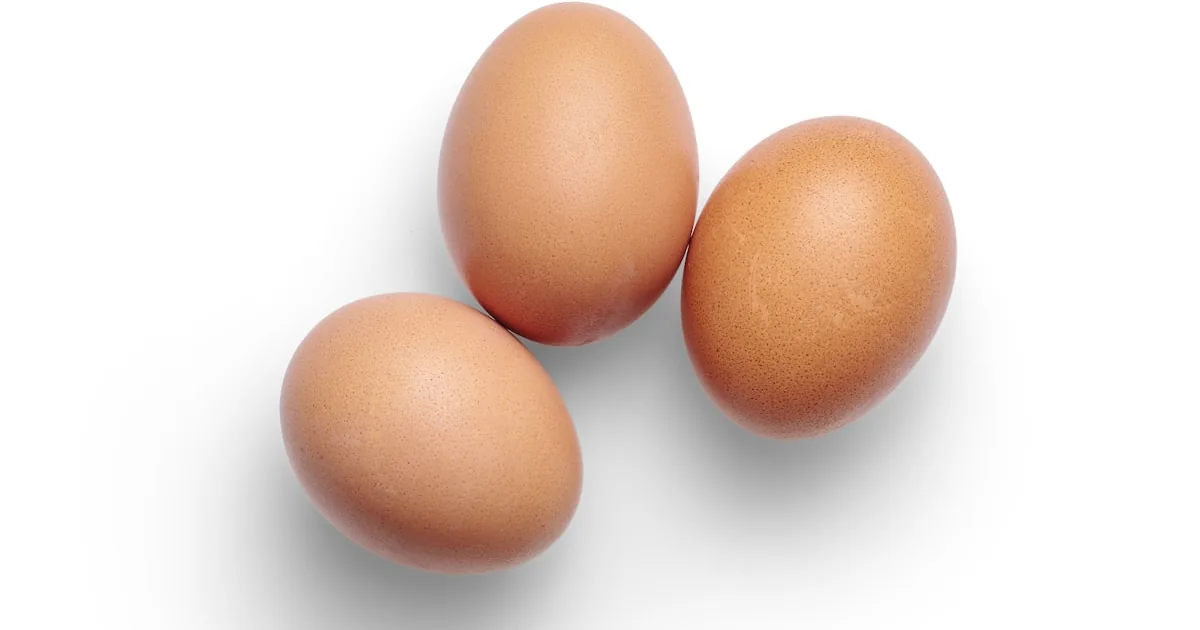
Eggs are one of those foods that seem simple until you look at how much nutrition they provide in such a small package.
One large egg contains roughly 70–75 calories and about 6 grams of high-quality protein, along with choline, selenium, vitamin B12, riboflavin, healthy fats, and several other important nutrients.
They are affordable, quick to prepare, easy to combine with other foods, and useful whether your goal is eating a balanced breakfast, increasing protein intake, managing calories, or supporting muscle recovery.
Still, eggs raise plenty of questions.
How much protein is really in one egg? Are egg whites healthier than whole eggs? Are eggs useful for building muscle? How many eggs can you eat per day? What about cholesterol? And is a boiled egg actually healthier than a fried egg?
This guide covers egg nutrition, calories, protein, health benefits, egg whites vs whole eggs, eggs for muscle building, daily intake, boiled vs fried eggs, and the healthiest ways to cook eggs.
Egg Nutrition at a Glance
A typical large whole egg weighs about 50 grams and provides approximately:
| Nutrient | Approximate Amount |
|---|---|
| Calories | 72 kcal |
| Protein |
|
| Total Fat |
|
| Saturated Fat |
|
| Carbohydrates |
|
| Fiber | 0 g |
| Sugar |
|
| Cholesterol | About 186 mg |
| Sodium | About 70 mg |
| Selenium | About 15 mcg |
The exact values can vary slightly depending on egg size, hen feed, and preparation method.
Quick Answer
One large egg provides about 70–75 calories and approximately 6 grams of complete protein.
Most of the egg's fat, cholesterol, choline, and several vitamins are found in the yolk, while the white provides a large amount of protein for relatively few calories.
How Much Protein Is in One Egg?
One large whole egg contains approximately 6.3 grams of protein.
The exact amount varies with egg size.
| Egg Size | Approx. Protein | Approx. Calories |
|---|---|---|
| Small |
| 54 |
| Medium |
| 63 |
| Large |
| 72 |
| Extra Large | 7 g | 80 |
| Jumbo |
| 90 |
That means:
2 large eggs: about 12.6 g protein
3 large eggs: about 18.9 g protein
4 large eggs: about 25 g protein
Two eggs can make a nutritious breakfast, but they may not provide enough protein on their own for someone intentionally trying to build a high-protein meal.
You can increase the protein content by pairing eggs with foods such as:
- Greek yogurt
- cottage cheese
- beans
- milk
- smoked salmon
- chicken
- whole-grain toast
- additional egg whites
Are Eggs a Complete Protein?
Yes.
Eggs are a complete protein source, which means they contain all nine essential amino acids that the body needs to obtain through food.
These include:
- Histidine
- Isoleucine
- Leucine
- Lysine
- Methionine
- Phenylalanine
- Threonine
- Tryptophan
- Valine
Your body uses amino acids to build and repair tissues, maintain muscle, produce enzymes and hormones, and support many other normal functions.
Because eggs provide all nine essential amino acids, they are generally considered a high-quality protein food.
Egg White vs Egg Yolk: Where Is the Protein?
A common misconception is that all the protein in an egg is found in the white.
That is not true.
A large egg white contains roughly 3.5–3.6 grams of protein and only around 17 calories.
The yolk provides the rest of the egg's protein while also supplying most of its:
- fat
- cholesterol
- choline
- vitamin A
- vitamin B12
- vitamin D
- carotenoids
- other micronutrients
Removing the yolk therefore reduces calories and fat, but it also removes many valuable nutrients.
Egg Whites vs Whole Eggs: Which Is Better?
Neither is automatically better.
The right choice depends on your goals.
| Nutrition Feature | 1 Large Whole Egg | 1 Large Egg White |
|---|---|---|
| Calories | ~72 | ~17 |
| Protein | ~6.3 g | ~3.6 g |
| Fat | ~4.8 g | ~0 g |
| Cholesterol | ~186 mg | 0 mg |
| Carbohydrates | <1 g | <1 g |
| Choline | High | Very little |
| Fat-soluble nutrients | Present | Very little |
Egg Whites May Be Better If You Want
- more protein for fewer calories
- almost no fat
- no dietary cholesterol
- a larger-volume omelet
- easier calorie control
For example, four egg whites provide approximately 14 grams of protein for fewer than 70 calories.
That makes them very protein-efficient.
Whole Eggs May Be Better If You Want
- a more complete nutritional profile
- choline
- fat-soluble nutrients
- better flavor and texture
- both protein and dietary fat
- nutrients naturally found in the yolk
For many people, a combination works very well.
For example:
2 whole eggs + 2 egg whites
This gives you nutrients from the yolks while increasing overall protein without adding several extra yolks.
Why You Should Not Automatically Throw Away the Yolk
Egg yolks are sometimes avoided because they contain fat and cholesterol.
However, the yolk is also where many of the egg's most important nutrients are concentrated.
Egg yolks provide nutrients such as:
- choline
- vitamin B12
- vitamin A
- vitamin D in varying amounts
- selenium
- phosphorus
- lutein
- zeaxanthin
- dietary fat
Egg whites are excellent for lean protein.
Whole eggs provide a wider range of nutrients.
Health Benefits of Eggs
Eggs are not a miracle food, but they can make a useful contribution to a balanced diet.
1. Eggs Provide High-Quality Protein
A large egg contains roughly 6 grams of protein and provides all nine essential amino acids.
Protein contributes to:
- muscle maintenance
- tissue repair
- normal growth
- enzyme production
- hormone production
- immune function
Eggs are particularly useful because they provide complete protein in a small, convenient food.
2. Eggs Are Rich in Choline
Choline is an essential nutrient involved in several important functions.
Your body uses choline for:
- normal cell membrane structure
- nerve signaling
- production of acetylcholine
- normal liver function
Egg yolks are one of the better commonly eaten dietary sources of choline.
This is one reason whole eggs offer nutritional benefits that egg whites alone do not.
3. Eggs Provide Vitamin B12
Vitamin B12 is important for:
- red blood cell formation
- nervous system function
- DNA-related processes
Eggs can contribute to daily vitamin B12 intake as part of a varied diet.
4. Eggs Provide Selenium
Eggs also contain selenium.
Selenium is an essential mineral involved in:
- antioxidant-related processes
- thyroid hormone metabolism
- normal cell function
5. Eggs Contain Lutein and Zeaxanthin
Egg yolks contain the carotenoids lutein and zeaxanthin.
These compounds are found in the eye and have been widely studied in relation to eye health.
Leafy green vegetables are also excellent sources, so eggs should be viewed as one part of a varied diet.
6. Eggs Can Help Create More Satisfying Meals
Eggs provide both protein and fat.
When paired with foods that contain fiber, they can help create a more balanced and satisfying meal.
For example:
eggs + vegetables + whole-grain toast + fruit
provides a better mix of protein, fiber, carbohydrates, fats, vitamins, and minerals than eggs alone.
Are Eggs Good for Muscle Building?
Yes.
Eggs can be useful for muscle building because they provide complete, high-quality protein.
However, eggs do not build muscle by themselves.
Muscle growth depends on several factors, including:
- resistance training
- adequate total protein
- sufficient calories
- recovery
- sleep
- training consistency
Eggs simply provide high-quality protein that can help contribute to your daily intake.
Whole Eggs vs Egg Whites for Muscle Building
Both can support a high-protein diet.
Whole eggs provide:
- complete protein
- dietary fat
- choline
- vitamins
- minerals
Egg whites provide:
- complete protein
- very few calories
- almost no fat
For someone who wants more protein without increasing calories too much, combining the two can be practical.
For example:
2 whole eggs + 3 egg whites
provides considerably more protein than two eggs alone while retaining the nutrients found in the yolks.
How Many Eggs Can You Eat Per Day?
There is no single number that is perfect for everyone.
Egg intake should be considered within the context of your entire diet.
One Egg Per Day
For many healthy adults, one whole egg per day can comfortably fit into a balanced eating pattern.
Two Eggs Per Day
Two eggs can also fit into many healthy diets, especially when most of the rest of the diet consists of foods such as:
- vegetables
- fruits
- whole grains
- beans
- lentils
- nuts
- seeds
- fish
- unsaturated fats
Three or More Eggs Per Day
Some people may eat three or more eggs, especially when some of them are egg whites.
However, eating more eggs is not automatically healthier.
Your overall diet, blood cholesterol, health history, calorie intake, saturated fat intake, and protein needs should all be considered.
What About Eggs and Cholesterol?
A large whole egg contains roughly 186 mg of dietary cholesterol, almost all of which is in the yolk.
For many years, eggs were heavily restricted because of concerns about dietary cholesterol.
Nutrition guidance today is more nuanced.
For most healthy people, overall dietary patterns are more important than focusing on cholesterol from one individual food.
Factors such as the following also matter:
- saturated fat intake
- fiber intake
- body weight
- exercise
- smoking
- blood pressure
- genetics
- overall food quality
That does not mean cholesterol is irrelevant.
People with conditions such as:
- high LDL cholesterol
- familial hypercholesterolemia
- cardiovascular disease
- diabetes with cardiovascular risk
- other lipid disorders
may need personalized advice from a qualified healthcare professional.
Eggs and Heart Health: The Whole Meal Matters
Consider these two breakfasts.
Breakfast One
- Eggs
- Spinach
- Tomatoes
- Whole-grain toast
- Fruit
Breakfast Two
- Eggs
- Bacon
- Sausage
- Butter-heavy toast
- Fried potatoes
Both meals contain eggs.
But they have very different nutritional profiles.
This is why it makes more sense to evaluate your overall dietary pattern rather than judge health based on eggs alone.
Are Eggs Good for Weight Loss?
Eggs can fit very well into a weight-loss diet.
A large egg contains only around 72 calories while providing about 6 grams of protein.
However, eggs do not directly burn body fat.
Weight loss depends mainly on your overall energy balance over time.
Eggs can simply make it easier to create meals that are protein-rich and satisfying without requiring a large number of calories.
For example:
2 eggs + vegetables + whole-grain toast
can make a balanced breakfast with protein, fiber, carbohydrates, fat, vitamins, and minerals.
Boiled Eggs vs Fried Eggs: Which Is Healthier?
The egg itself does not suddenly become unhealthy when fried.
The main difference is usually the amount of added cooking fat.
Approximate nutrition:
| Nutrient | Hard-Boiled Egg | Fried Egg |
|---|---|---|
| Calories | ~78 | ~90–95 |
| Protein | ~6.3 g | ~6.3 g |
| Fat | ~5.3 g | ~7 g |
| Carbohydrates | <1 g | <1 g |
The exact number of calories in a fried egg depends largely on:
- amount of oil
- type of oil
- amount of butter
- added cheese
- sauces
Which Is Better for Calorie Control?
Boiled eggs usually have the advantage because they require no added cooking fat.
However, a fried egg cooked in a small measured amount of oil can still fit into a healthy eating pattern.
What About Poached Eggs?
Poaching is another excellent way to prepare eggs without adding cooking fat.
A poached egg provides nearly the same basic nutrition as a whole egg without requiring oil or butter.
Try serving poached eggs with:
- whole-grain toast
- tomatoes
- spinach
- avocado
- beans
- roasted vegetables
Are Scrambled Eggs Healthy?
They can be.
The final nutritional value depends on what you add.
Lighter Scrambled Eggs
- eggs
- vegetables
- herbs
- black pepper
- small amount of cooking oil
Higher-Calorie Scrambled Eggs
- eggs
- butter
- cream
- large amounts of cheese
- processed meats
Both are scrambled eggs, but they are not nutritionally identical.
Best Ways to Cook Eggs
There is no single perfect method, but some cooking styles make calorie control easier.
1. Hard-Boiled Eggs
Boiling requires no cooking oil.
Hard-boiled eggs are easy to prepare ahead of time and work well in:
- salads
- sandwiches
- snacks
- breakfast plates
2. Poached Eggs
Poaching uses water instead of cooking fat.
It is one of the simplest low-added-calorie cooking methods.
3. Scrambled Eggs With Vegetables
Adding vegetables can improve the nutrient content and volume of the meal.
Try:
- spinach
- tomatoes
- peppers
- onions
- mushrooms
4. Vegetable Omelets
Omelets are an easy way to combine eggs with vegetables.
You can also add extra egg whites to increase the protein content.
5. Lightly Fried Eggs
A fried egg does not need to be cooked in a large amount of oil.
Using a nonstick pan and a small measured amount of oil can keep added calories relatively low.
Best Egg Combination for High Protein
Combining whole eggs with egg whites is an easy way to increase protein.
2 Whole Eggs
About 12–13 grams of protein
2 Whole Eggs + 2 Egg Whites
About 20 grams of protein
2 Whole Eggs + 4 Egg Whites
About 27 grams of protein
This approach allows you to keep the nutrients from the yolks while increasing protein without adding several additional yolks.
What Should You Eat With Eggs?
Eggs provide protein and fat but virtually no dietary fiber.
To build a more balanced meal, combine them with plant foods.
Good options include:
- vegetables
- fruit
- beans
- lentils
- oats
- whole-grain bread
- potatoes
- avocado
For example:
eggs + spinach + whole-grain toast + berries
offers a broader nutritional profile than eggs by themselves.
Do Eggs Contain Carbohydrates?
Very little.
A large whole egg contains less than 1 gram of carbohydrate.
Eggs are naturally low in carbohydrates.
However, an egg-based meal may contain plenty of carbohydrates if it includes:
- bread
- tortillas
- potatoes
- pancakes
- rice
- sauces
Do Eggs Contain Fiber?
No.
Eggs contain essentially no dietary fiber.
This is why pairing eggs with vegetables, fruit, beans, whole grains, or other plant foods can improve the nutritional balance of the meal.
Do Eggs Contain Fat?
Yes.
A large whole egg contains approximately 5 grams of total fat.
Most of the fat is located in the yolk.
Egg whites contain virtually no fat.
Brown Eggs vs White Eggs: Which Is Healthier?
Shell color does not automatically make an egg healthier.
Brown and white eggs generally come from different breeds of chickens.
Their nutrition is broadly similar.
Differences in nutrient content are more likely to come from:
- hen feed
- farming practices
- egg size
- fortification
rather than shell color itself.
Are Raw Eggs Better for Protein?
No.
Raw eggs are not a better protein choice than properly cooked eggs.
They can also carry a risk of foodborne illness.
For safety, eggs should generally be cooked thoroughly unless pasteurized eggs are being used in a recipe that intentionally calls for raw or undercooked eggs.
How Should Eggs Be Stored Safely?
Egg safety matters just as much as nutrition.
Good practices include:
- keeping eggs refrigerated
- avoiding cracked eggs
- keeping them in their original carton
- refrigerating cooked egg dishes promptly
- cooking eggs thoroughly
- using hard-boiled eggs within about one week
Keep the refrigerator at approximately 40°F / 4°C or colder.
Frequently Asked Questions
The Bottom Line
Eggs provide a lot of nutrition in a small, affordable package.
One large whole egg contains approximately:
72 calories
6.3 grams of protein
4.8 grams of fat
Less than 1 gram of carbohydrate
Eggs are also a complete protein, meaning they provide all nine essential amino acids.
Whole eggs provide nutrients including choline, selenium, vitamin B12, carotenoids, and several other vitamins and minerals.
Egg whites are useful when you want to increase protein while keeping calories and fat low, but they do not provide the same nutritional range as whole eggs.
For many people, combining whole eggs with egg whites offers a practical balance.
Boiling and poaching are excellent options when you want minimal added calories. Scrambled, fried, and omelet-style eggs can also fit into a healthy diet when prepared with reasonable amounts of oil and paired with nutritious foods.
Ultimately, there is no single “best” way to eat eggs.
What matters most is how eggs fit into your overall diet, lifestyle, nutritional needs, and health goals.