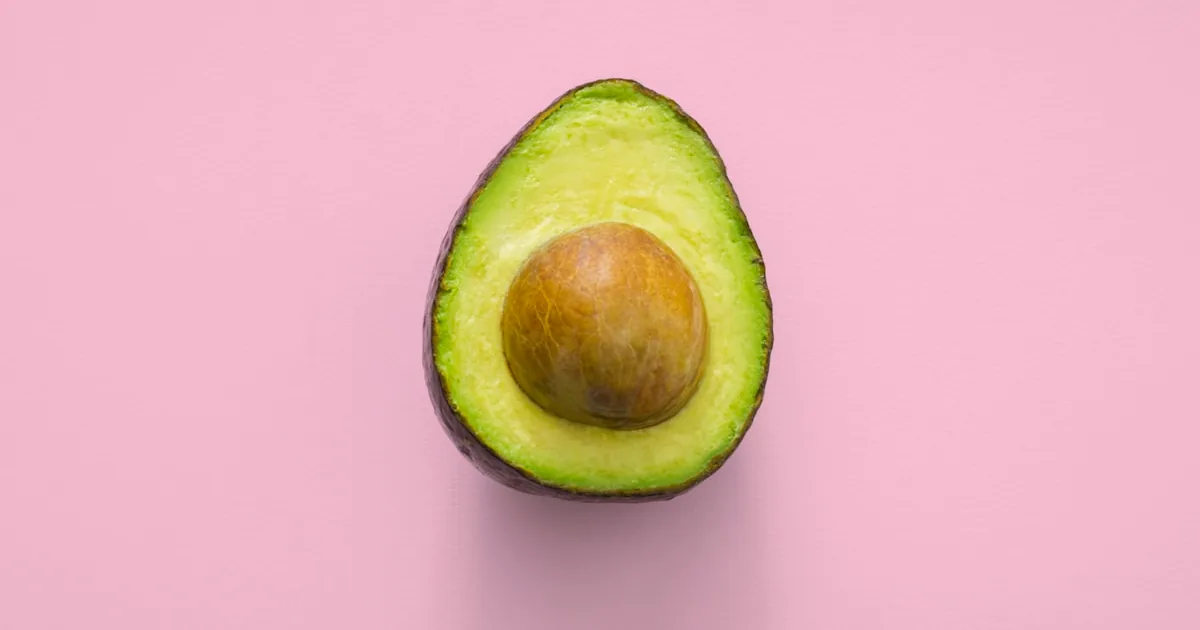
Healthy Fats: Best Foods, Omega-3s, Saturated vs Unsaturated Fat, Daily Needs & Heart Health
Secondary Keywords: healthy fat foods, saturated vs unsaturated fat, monounsaturated fat, polyunsaturated fat, omega 3 foods, omega 6 fatty acids, how much fat per day, healthy fats for weight loss, high fat low carb foods, foods high in saturated fat, trans fats, dietary fat and heart health
Healthy Fats: Best Foods, Omega-3s, Saturated vs Unsaturated Fat, Daily Needs & Heart Health
For years, dietary fat had a bad reputation.
Low-fat labels appeared everywhere, and many people started treating all fat as something that should be avoided. Today, nutrition science paints a much more useful picture.
Your body actually needs fat.
Dietary fat provides energy, helps you absorb fat-soluble vitamins, supplies essential fatty acids, supports cell membranes, and contributes to hormone and nervous-system functions.
But that does not mean every type of fat has the same effect on health.
The fat in salmon, walnuts, olive oil, and avocado is nutritionally different from the fat found in many deep-fried foods or products containing industrial trans fats.
So rather than asking:
“Is fat healthy or unhealthy?”
a better question is:
“What type of fat am I eating, how much am I eating, and what food is it coming from?”
This guide explains healthy fats, saturated vs unsaturated fat, monounsaturated vs polyunsaturated fat, omega-3 and omega-6 fatty acids, daily fat needs, weight management, heart health, high-fat low-carb foods, trans fats, and the best plant and animal sources of fat.
Dietary Fat at a Glance
Dietary fats can be divided into several major categories.
| Type of Fat | Common Sources | General Nutrition Role |
|---|---|---|
| Monounsaturated fat | Olive oil, avocado, almonds, peanuts | Usually considered heart-friendly when replacing saturated fat |
| Polyunsaturated fat | Walnuts, seeds, fish, vegetable oils | Includes essential omega-3 and omega-6 fats |
| Saturated fat | Butter, fatty meat, cheese, coconut oil | Best consumed in moderation |
| Trans fat | Some partially hydrogenated fats, certain fried or processed foods | Best minimized as much as possible |
Quick Answer
For most people, the healthiest approach is to get most dietary fat from unsaturated sources such as olive oil, nuts, seeds, avocado, fish, and other minimally processed foods, while limiting excessive saturated fat and avoiding industrial trans fats.
What Are Healthy Fats?
“Healthy fat” is an informal term rather than a strict scientific category.
It generally refers to fats that are mostly unsaturated, especially when they replace foods high in saturated or trans fat.
These include:
- monounsaturated fats
- polyunsaturated fats
- omega-3 fatty acids
- omega-6 fatty acids
Foods that commonly provide these fats include:
- olive oil
- avocado
- nuts
- seeds
- salmon
- sardines
- trout
- peanuts
- tahini
- natural nut butters
Healthy fat does not mean calorie-free.
Fat contains approximately 9 calories per gram, making it more energy-dense than carbohydrate or protein, which each provide about 4 calories per gram.
That means portion size still matters.
Why Does Your Body Need Fat?
Dietary fat performs several essential functions.
It helps with:
- absorption of vitamins A, D, E, and K
- cell membrane structure
- hormone production
- nervous-system function
- energy storage
- providing essential fatty acids
- maintaining normal skin and tissues
- adding flavor and satisfaction to meals
Fat also slows stomach emptying compared with some carbohydrate-rich foods, which can help meals feel more substantial.
That does not mean every meal should be extremely high in fat.
Balance remains important.
Saturated vs Unsaturated Fat
One of the most important distinctions in nutrition is between saturated and unsaturated fats.
Saturated Fat
Saturated fats contain no double bonds in their fatty-acid structure.
They are commonly found in:
- butter
- full-fat cheese
- cream
- fatty cuts of beef
- processed meats
- poultry skin
- coconut oil
- palm oil
Many saturated fats are solid at room temperature, although this is not always the case.
Eating large amounts of saturated fat can raise LDL cholesterol in many people, which is why major heart-health guidelines generally recommend limiting it.
Unsaturated Fat
Unsaturated fats contain one or more double bonds.
They include:
- monounsaturated fats
- polyunsaturated fats
Common sources include:
- olive oil
- avocado
- nuts
- seeds
- oily fish
- many vegetable oils
Replacing some saturated fat with unsaturated fat is generally considered a more heart-friendly dietary change.
Is Saturated Fat Bad?
It is more accurate to say that too much saturated fat can be a concern, especially when it replaces unsaturated fats.
Saturated fat does not need to be eliminated entirely.
Foods such as dairy products and meat may contain saturated fat while also providing protein, calcium, vitamin B12, iron, or other nutrients.
The goal is usually moderation.
A diet built around vegetables, fruit, whole grains, legumes, fish, nuts, seeds, and unsaturated oils will naturally have a different fat profile than one dominated by butter, processed meats, fried foods, and high-fat packaged snacks.
Monounsaturated vs Polyunsaturated Fat
Both are unsaturated fats, but their structures differ.
Monounsaturated Fat
Monounsaturated fatty acids contain one double bond.
Good sources include:
- olive oil
- avocado
- almonds
- peanuts
- peanut butter
- hazelnuts
- pistachios
These fats are often associated with Mediterranean-style eating patterns.
Polyunsaturated Fat
Polyunsaturated fatty acids contain multiple double bonds.
They include:
- omega-3 fatty acids
- omega-6 fatty acids
Good sources include:
- fatty fish
- walnuts
- flaxseeds
- chia seeds
- sunflower seeds
- soybean oil
- corn oil
- some other vegetable oils
Which Is Better?
You do not need to choose one.
Both can be part of a healthy diet.
The bigger dietary change is often replacing some saturated fat with a mixture of monounsaturated and polyunsaturated fats.
Best Foods High in Healthy Fats
Several whole and minimally processed foods provide useful amounts of unsaturated fat.
Avocado
Avocado is rich in monounsaturated fat and fiber.
It also provides:
- potassium
- folate
- vitamin E
- carotenoids
Because avocado is calorie-dense, portion size still matters.
Olive Oil
Olive oil is rich in monounsaturated fat.
Extra-virgin olive oil also contains plant compounds that are studied for their antioxidant properties.
It works well in:
- salad dressing
- roasting vegetables
- marinades
- dips
- moderate-heat cooking
Nuts
Nuts provide a combination of:
- unsaturated fat
- protein
- fiber
- magnesium
- vitamin E
- other minerals
Useful options include:
- almonds
- walnuts
- pistachios
- peanuts
- cashews
- hazelnuts
Seeds
Seeds can be especially nutrient-dense.
Good choices include:
- chia seeds
- flaxseeds
- hemp seeds
- pumpkin seeds
- sunflower seeds
- sesame seeds
Fatty Fish
Salmon, sardines, trout, herring, and mackerel provide long-chain omega-3 fatty acids.
They also provide complete protein.
Omega-3 Rich Foods
Omega-3 fatty acids are a family of polyunsaturated fats.
The main types discussed in nutrition are:
ALA
EPA
DHA
ALA
Alpha-linolenic acid is found mainly in plant foods.
Sources include:
- flaxseeds
- chia seeds
- walnuts
- hemp seeds
- certain vegetable oils
EPA and DHA
These long-chain omega-3 fats are found mainly in seafood.
Good sources include:
- salmon
- sardines
- mackerel
- herring
- trout
EPA and DHA are particularly well studied in relation to cardiovascular and neurological health.
Best Plant Sources of Omega-3
Useful plant sources include:
Chia Seeds
Chia provides ALA along with a large amount of fiber.
Flaxseeds
Ground flaxseed is particularly useful because grinding makes the nutrients easier to access than eating whole flaxseeds.
Walnuts
Walnuts are unusual among nuts because they provide a meaningful amount of ALA.
Hemp Seeds
Hemp seeds provide both protein and polyunsaturated fats.
Plant omega-3 sources are valuable, although the body's conversion of ALA into EPA and DHA is limited.
Omega-6 Fatty Acids: What You Need to Know
Omega-6 fats are another family of essential polyunsaturated fatty acids.
The body needs them for normal functions.
Common sources include:
- sunflower seeds
- walnuts
- soybean oil
- sunflower oil
- corn oil
- sesame seeds
- many nuts
Omega-6 fats are sometimes described online as inherently inflammatory.
That is an oversimplification.
Omega-6 fatty acids are essential nutrients, and many foods containing them are nutritious.
The bigger concern is the overall quality of the diet rather than trying to eliminate omega-6 fats.
Do You Need a Perfect Omega-6 to Omega-3 Ratio?
For most people, obsessing over a precise ratio is unnecessary.
A more practical approach is:
- regularly eat omega-3-rich foods
- include fatty fish when appropriate
- use nuts and seeds
- eat a varied diet
- minimize heavily processed foods
Increasing omega-3 intake is usually more useful than trying to mathematically eliminate omega-6 foods.
How Much Fat Should You Eat Per Day?
There is no single amount that works for everyone.
A commonly used guideline for adults is for fat to provide approximately 20% to 35% of total daily calories.
For a 2,000-calorie diet, that equals roughly:
44 to 78 grams of fat per day
because fat provides 9 calories per gram.
This is a broad range rather than an exact prescription.
Your needs depend on:
- total calorie intake
- activity level
- body size
- dietary preference
- health conditions
- athletic goals
- weight-management goals
How Much Saturated Fat Should You Eat?
General dietary guidance commonly recommends keeping saturated fat to less than about 10% of total daily calories.
For someone eating 2,000 calories, that would equal less than roughly 22 grams per day.
Some people with elevated LDL cholesterol or cardiovascular risk may receive more restrictive recommendations from their healthcare professional.
The easiest way to reduce saturated fat is often not counting every gram.
Instead, regularly choose:
olive oil instead of butter
fish instead of fatty processed meat
nuts instead of certain packaged snacks
and leaner protein sources more often.
Healthy Fats for Weight Management
Dietary fat can absolutely fit into a weight-loss diet.
The challenge is its calorie density.
Because fat provides 9 calories per gram, relatively small portions can contain a lot of energy.
For example, foods such as:
- nuts
- nut butter
- olive oil
- avocado
- seeds
are nutritious but easy to overeat.
Do Healthy Fats Help With Weight Loss?
They can help create satisfying meals, but they do not directly burn body fat.
Weight loss still depends on overall energy balance.
A tablespoon of olive oil contains calories whether it is considered healthy or not.
That does not mean avoiding it.
It means using an amount that fits your overall diet.
A Better Way to Use Fat for Weight Management
Instead of adding several high-fat foods to the same meal, choose one or two moderate portions.
For example:
Balanced Meal
Chicken breast
Large salad
Whole-grain bread
A measured olive-oil dressing
Rather than:
Chicken breast
Avocado
Large amount of olive oil
Cheese
Nuts
Creamy dressing
Every ingredient in the second example can be nutritious individually, but the total calories can add up quickly.
Does Eating Fat Make You Fat?
Not automatically.
Body fat increases when energy intake consistently exceeds energy expenditure over time.
Dietary fat is calorie-dense, which means it can make overeating easier, but carbohydrates and protein also contribute calories.
The type of fat and the overall diet matter for health, while total energy balance matters strongly for weight change.
Best High-Fat Low-Carb Foods
Some foods naturally contain plenty of fat and very few carbohydrates.
Good examples include:
- avocado
- olives
- olive oil
- nuts
- seeds
- salmon
- sardines
- eggs
- some cheeses
- natural nut butter
Avocado
High in monounsaturated fat and fiber.
Salmon
Provides protein, omega-3 fats, and virtually no carbohydrates.
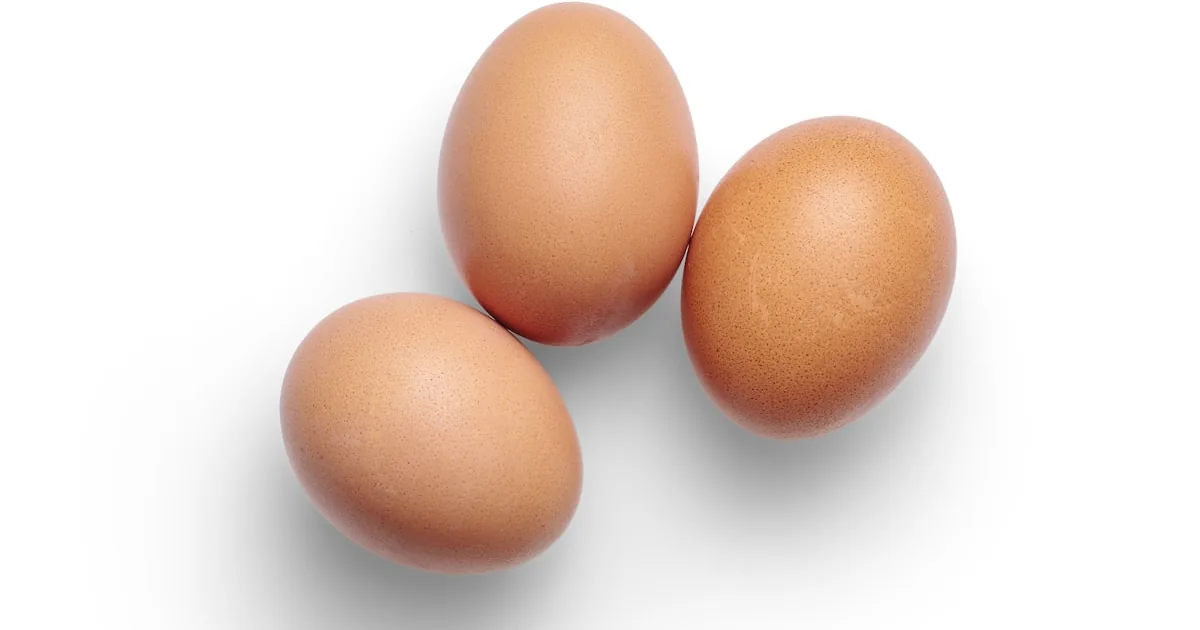
Eggs
Contain protein and fat with less than 1 gram of carbohydrate per egg.
Nuts
Generally low in digestible carbohydrates while providing fat, fiber, and protein.
Seeds
Chia and flax are particularly interesting because much of their carbohydrate content comes from fiber.
Are High-Fat Low-Carb Foods Automatically Healthy?
No.
A low-carb label does not guarantee nutritional quality.
For example, a highly processed meat product may contain almost no carbohydrate but still contain substantial saturated fat and sodium.
Focus on the whole food rather than carbohydrate numbers alone.
Foods High in Saturated Fat
Common sources include:
- butter
- ghee
- fatty cuts of beef
- processed meats
- sausage
- bacon
- full-fat cheese
- cream
- coconut oil
- palm oil
- many pastries
- certain fried foods
This does not mean every one of these foods must be completely eliminated.
The goal is to avoid letting saturated-fat-rich foods dominate your fat intake.
Coconut Oil: Healthy or Unhealthy?
Coconut oil is plant-based, but that does not mean it is predominantly unsaturated.
It is actually very high in saturated fat.
That makes it nutritionally different from olive oil, avocado oil, or many nut oils.
Coconut oil can be used occasionally for flavor or cooking, but it should not automatically be treated as a superior heart-healthy oil simply because it comes from a plant.
What Are Trans Fats?
Trans fatty acids can occur naturally in small amounts in some animal foods, but the biggest historical concern has been industrial trans fat produced through partial hydrogenation.
Industrial trans fats can raise LDL cholesterol while lowering HDL cholesterol and are associated with increased cardiovascular risk.
For that reason, major public-health recommendations aim to minimize them as much as possible.
Foods That May Contain Trans Fat
Industrial trans fats have been greatly reduced in many food supplies, but it is still useful to be aware of:
- certain fried foods
- some commercial baked goods
- shortening
- old-style margarine products
- certain packaged pastries
- products made with partially hydrogenated oils
Ingredient labels are often more useful than assumptions.
Look for the term:
partially hydrogenated oil
where applicable.
Fat vs Carbohydrates: Which Is Better?
Neither macronutrient is universally better.
They serve different roles.
Fat
Provides:
- 9 calories per gram
- essential fatty acids
- fat-soluble vitamin absorption
- concentrated energy
- cell membrane components
Carbohydrates
Provide:
- 4 calories per gram
- glucose for energy
- glycogen for muscle and liver
- fiber when consumed through plant foods
- important exercise fuel
The best ratio depends on the person.
An endurance athlete may benefit from a relatively high-carbohydrate diet.
Someone following a lower-carb eating pattern may obtain more calories from fat.
Both approaches can be nutritious when food quality is good.
Are Fats More Filling Than Carbs?
Fat slows digestion and can contribute to satisfaction.
However, fiber-rich carbohydrate foods can also be extremely filling.
Compare:
olive oil
with:
potatoes, oats, beans, or fruit
The latter foods contain fewer calories per gram because they contain more water and fiber.
So satiety depends on much more than whether a food is classified as fat or carbohydrate.
Dietary Fat and Heart Health
The relationship between fat and heart health depends strongly on the type of fat.
Replacing saturated fat with unsaturated fats is generally considered a heart-friendly change.
Examples include replacing:
butter → olive oil
fatty processed meat → fish
certain packaged snacks → nuts
This does not mean fat alone determines cardiovascular health.
Other major factors include:
- overall diet quality
- fiber intake
- blood pressure
- physical activity
- smoking
- sleep
- body weight
- diabetes
- genetics
Heart health is never determined by one food.
Best Plant Sources of Healthy Fat
Plant foods provide many excellent sources of unsaturated fats.
Olive Oil
Rich in monounsaturated fat.
Avocado
Provides monounsaturated fat plus fiber and potassium.
Almonds
Provide unsaturated fat, vitamin E, magnesium, fiber, and protein.
Walnuts
Provide ALA omega-3 fats.
Chia Seeds
Provide ALA, fiber, and some protein.
Flaxseeds
A concentrated plant source of ALA.
Hemp Seeds
Provide polyunsaturated fats and protein.
Peanuts
Provide monounsaturated and polyunsaturated fats along with protein.
Sesame Seeds and Tahini
Provide unsaturated fats, minerals, and plant protein.
Best Animal Sources of Healthy Fat
Not all animal fat is the same.
The strongest examples are generally oily fish.
Salmon
Provides EPA and DHA omega-3 fats along with complete protein.
Sardines
Provide omega-3 fats, protein, vitamin B12, and calcium when the soft bones are eaten.
Trout
Another useful source of omega-3 fats and protein.
Herring
Rich in long-chain omega-3 fatty acids.
Eggs
Eggs provide a mixture of fats along with protein, choline, selenium, and other nutrients.
Their omega-3 content can vary depending on the hens' feed.
Fish vs Nuts: Which Is Better for Healthy Fats?
They provide different types of fats.
Fatty fish provides EPA and DHA directly.
Walnuts, chia, and flax provide ALA.
Both can be useful.
A varied dietary pattern can include:
fish + nuts + seeds + olive oil + avocado
rather than relying on only one source.
Are Nuts Good for Heart Health?
Nuts provide unsaturated fats, fiber, plant protein, magnesium, and other nutrients.
They can fit very well into a heart-conscious dietary pattern.
However, nuts are calorie-dense.
A small handful is very different from eating half a large bag while distracted.
Portion awareness still matters.
Is Olive Oil Healthy?
Olive oil is one of the best-known sources of monounsaturated fat and is a major fat source in Mediterranean-style diets.
It works particularly well in:
- salad dressing
- cooking
- roasting
- sauces
- marinades
Extra-virgin olive oil also contains polyphenol compounds.
Still, olive oil contains around the same calories as other pure fats.
“Healthy” does not mean unlimited.
Is Avocado Healthy?
Yes.
Avocado provides:
- monounsaturated fat
- fiber
- potassium
- folate
- vitamin E
- carotenoids
But avocado is substantially more calorie-dense than most fruit because of its fat content.
Half an avocado may fit one person's meal perfectly while an entire large avocado may be unnecessary for someone trying to keep calories lower.
Are Eggs a Healthy Fat Source?
Eggs contain a mixture of saturated and unsaturated fats.
Most of the fat is found in the yolk.
Eggs also provide:
- complete protein
- choline
- vitamin B12
- selenium
- carotenoids
They are better viewed as a nutrient-dense protein food that also contains fat rather than as a pure fat source.
Is Cheese a Healthy Fat?
Cheese provides protein and calcium but often contains substantial saturated fat and sodium.
That does not make cheese forbidden.
Portion size and frequency matter.
Using a smaller amount of strongly flavored cheese can be an easy way to enjoy it without making it the main fat source in every meal.
Healthy Cooking Fats
Useful cooking oils include:
- olive oil
- avocado oil
- canola oil
- peanut oil
- other unsaturated vegetable oils
Different oils have different flavors and heat tolerances.
For most home cooking, there is no need to obsess over finding a single “perfect oil.”
The bigger priority is avoiding excessive amounts and choosing mostly unsaturated oils.
Do You Need to Eat Fat With Vegetables?
A small amount of dietary fat can help with the absorption of certain fat-soluble compounds such as carotenoids.
That means a salad containing vegetables plus a small amount of:
- olive oil
- avocado
- nuts
- seeds
can be nutritionally useful.
You do not need to drown vegetables in dressing.
A modest amount is enough.
Signs Your Diet May Be Too Low in Fat
Extremely low-fat diets can make it difficult to obtain essential fatty acids and absorb fat-soluble vitamins.
Possible concerns with chronically inadequate fat intake can include difficulties meeting energy needs and obtaining enough essential fatty acids.
However, these symptoms are not specific enough to diagnose a dietary deficiency yourself.
If you follow a highly restrictive diet, individualized nutrition advice may be helpful.
How to Improve the Quality of Fat in Your Diet
You do not need to overhaul everything at once.
Try simple swaps.
Instead of Butter Every Time
Use olive oil for some meals.
Instead of Processed Meat
Choose fish, chicken, beans, or lentils more often.
Instead of Chips
Try nuts in a measured portion.
Instead of Creamy Dressing
Try an olive-oil-based dressing.
Instead of Adding Cheese to Everything
Use avocado, seeds, or a smaller amount of strongly flavored cheese.
The goal is not zero saturated fat.
It is a better overall balance.
Healthy Fat Meal Ideas
Breakfast
Oatmeal + walnuts + chia seeds + berries
Lunch
Salmon salad + avocado + vegetables + olive-oil dressing
Snack
Apple + natural peanut butter
Dinner
Chicken + quinoa + vegetables + tahini sauce
Plant-Based Meal
Lentil bowl + avocado + pumpkin seeds + vegetables
Each combines fat with protein, fiber, and other nutrients.
Frequently Asked Questions
The Bottom Line
Fat is not something your body needs to fear.
It is an essential macronutrient that helps provide energy, supports cell structure, supplies essential fatty acids, and allows your body to absorb vitamins A, D, E, and K.
The key is fat quality.
Make most of your dietary fat come from foods such as:
olive oil
avocado
nuts
seeds
salmon
sardines
trout
and other sources rich in unsaturated fats.
Monounsaturated fats from foods such as olive oil and avocado and polyunsaturated fats from fish, walnuts, chia, flax, and seeds can form the foundation of a healthy fat intake.
Saturated fat does not need to disappear completely, but foods such as butter, fatty meats, full-fat cheese, coconut oil, and heavily processed foods are generally better consumed in moderate amounts.
Industrial trans fats should be kept as low as possible.
For many adults, fat can reasonably provide around 20% to 35% of total calories, although individual needs vary.
And if weight management is your goal, remember one important detail:
healthy fat is still calorie-dense.
You do not need to avoid olive oil, avocado, nuts, or seeds. You simply need portions that fit your energy needs.
The most practical approach is not to count every gram of monounsaturated and polyunsaturated fat.
Instead, regularly choose whole or minimally processed foods, use mostly unsaturated oils, eat fatty fish when appropriate, include nuts and seeds, and keep heavily processed sources of saturated and trans fat from dominating your diet.