High-Fiber Foods: Best Sources, Daily Needs, Digestion, Weight Management & Protein-Rich Options
Secondary Keywords: best high fiber foods, dietary fiber, soluble vs insoluble fiber, how much fiber per day, high fiber fruits, high fiber vegetables, high fiber breakfast, high fiber snacks, high fiber low calorie foods, high fiber high protein foods, fiber for digestion, fiber for weight loss, foods high in protein and fiber
High-Fiber Foods: Best Sources, Daily Needs, Digestion, Weight Management & Protein-Rich Options
Fiber rarely gets the same attention as protein, but it plays a major role in a balanced diet.
It helps support normal digestion, contributes to regular bowel movements, feeds beneficial gut bacteria, can make meals more satisfying, and certain types of fiber may help support healthy cholesterol and blood sugar levels.
The interesting part is that fiber is not one single substance.
The fiber in oats behaves differently from the fiber in wheat bran. Beans provide a mixture of fiber along with protein. Berries combine fiber with relatively few calories, while nuts and seeds provide fiber alongside healthy fats.
That is why the goal should not simply be to find one “highest-fiber food.”
A better approach is to eat a variety of vegetables, fruits, legumes, whole grains, nuts, and seeds throughout the day.
This guide covers the best high-fiber foods, soluble vs insoluble fiber, daily fiber needs, high-fiber fruits and vegetables, breakfast and snack ideas, high-protein high-fiber foods, fiber for digestion and weight management, signs your intake may be low, and how to increase fiber without making your stomach miserable.
Fiber at a Glance
Here are some practical high-fiber foods and approximate amounts.
| Food | Typical Serving | Approx. Fiber |
|---|---|---|
| Lentils, cooked | 1 cup | ~15–16 g |
| Black beans, cooked | 1 cup | ~15 g |
| Chickpeas, cooked | 1 cup | ~12–13 g |
| Chia seeds | 1 oz / 28 g | ~10 g |
| Raspberries | 1 cup | ~8 g |
| Pear with skin | 1 medium | ~5–6 g |
| avocado | 1/2 medium | ~5 g |
| Broccoli, cooked | 1 cup | ~5 g |
| Green peas | 1 cup | ~8–9 g |
| Oats, cooked | 1 cup | ~4 g |
| Apple with skin | 1 medium | ~4–5 g |
| Almonds | 1 oz / 28 g | ~3.5 g |
| Sweet potato with skin | 1 medium | ~4 g |
| Quinoa, cooked | 1 cup | ~5 g |
| Barley, cooked | 1 cup | ~6 g |
Quick Answer
Some of the best high-fiber foods include lentils, beans, chickpeas, chia seeds, berries, pears, avocados, peas, broccoli, oats, barley, whole grains, nuts, and seeds.
For most people, the easiest way to eat more fiber is not adding a supplement. It is building meals around more legumes, vegetables, fruit, and whole grains.
What Is Dietary Fiber?
Dietary fiber is a type of carbohydrate that human digestive enzymes cannot completely break down.
Most digestible carbohydrates are eventually converted into smaller molecules that can be absorbed.
Fiber behaves differently.
Some passes through the digestive tract relatively intact, while some is fermented by bacteria in the large intestine.
Fiber is naturally found in plant foods such as:
- vegetables
- fruits
- beans
- lentils
- whole grains
- nuts
- seeds
Animal foods such as meat, fish, eggs, and dairy contain essentially no dietary fiber.
Why Does Your Body Need Fiber?
Fiber contributes to several normal functions.
Depending on the type, it can help:
- increase stool bulk
- support regular bowel movements
- soften stool
- slow digestion
- make meals more satisfying
- support healthy gut bacteria
- help maintain healthy cholesterol levels
- reduce rapid rises in blood glucose after some meals
Fiber is therefore more than simply a treatment for constipation.
It is part of overall digestive and metabolic health.
Soluble vs Insoluble Fiber
Fiber is often divided into two broad categories: soluble and insoluble.
Many plant foods contain both.
What Is Soluble Fiber?
Soluble fiber can dissolve or swell in water and may form a gel-like substance.
It is found in foods such as:
- oats
- barley
- beans
- lentils
- apples
- citrus fruit
- chia seeds
- psyllium
Certain soluble fibers can help slow digestion and may support healthy cholesterol and blood glucose levels.
Some types are also fermented by gut bacteria.
What Is Insoluble Fiber?
Insoluble fiber does not dissolve readily in water.
It helps add bulk to stool and can support normal movement through the digestive system.
Useful sources include:
- wheat bran
- whole grains
- vegetable skins
- nuts
- seeds
- many vegetables
Which Type Is Better?
Neither.
You need both.
Instead of trying to calculate grams of soluble and insoluble fiber separately, most people can simply eat a varied diet containing:
legumes + whole grains + fruit + vegetables + nuts and seeds
That naturally provides a mixture.
How Much Fiber Do You Need Per Day?
Fiber needs vary according to age, sex, calorie intake, and individual health circumstances.
A commonly used general target is approximately 14 grams of fiber per 1,000 calories.
For many adults, that translates to roughly 25 to 38 grams of fiber per day.
The Nutrition Facts Daily Value commonly used on food labels is 28 grams per day for a 2,000-calorie diet.
Simple Target
If you currently eat very little fiber, do not obsess about hitting 30 grams overnight.
Moving from:
10 grams → 18 grams → 25 grams
gradually is often much more comfortable.
Can You Eat Too Much Fiber?
Yes, especially if intake increases very quickly.
Large sudden increases can cause:
- gas
- bloating
- abdominal discomfort
- cramping
- diarrhea
- constipation in some cases
Fiber also works best when fluid intake is adequate.
Someone who suddenly adds large amounts of bran, chia, beans, and fiber supplements without enough fluid may feel worse rather than better.
The best approach is gradual.
Best High-Fiber Foods
If you want to increase fiber efficiently, legumes are difficult to beat.
Lentils
One cooked cup provides around 15 to 16 grams of fiber along with roughly 18 grams of protein.
This makes lentils one of the best foods for combining fiber and protein.
Black Beans
A cooked cup can provide around 15 grams of fiber and around 15 grams of protein.
Chickpeas
A cup provides roughly 12 to 13 grams of fiber along with a useful amount of plant protein.
Chia Seeds
An ounce provides around 10 grams of fiber.
Chia absorbs water, so it works particularly well in:
- yogurt
- oatmeal
- smoothies
- chia pudding
Raspberries
A cup contains around 8 grams of fiber for relatively few calories.
Pears
A medium pear with the skin provides around 5 to 6 grams of fiber.
Avocado
Half an avocado can provide roughly 5 grams of fiber along with unsaturated fat.
Green Peas
A cooked cup can provide around 8 grams or more of fiber and more protein than most vegetables.
Barley
Cooked barley is one of the stronger whole-grain fiber sources and also provides beta-glucan.
High-Fiber Fruits
Fruit is one of the easiest ways to increase fiber without completely changing your diet.
Good options include:
| Fruit | Typical Serving | Approx. Fiber |
|---|---|---|
| Raspberries | 1 cup | ~8 g |
| Blackberries | 1 cup | ~7–8 g |
| Pear | 1 medium | ~5–6 g |
| Apple with skin | 1 medium | ~4–5 g |
| Orange | 1 medium | ~3 g |
| Kiwi | 2 fruits | ~4 g |
| Guava | 1 cup | ~8–9 g |
| Avocado | 1/2 fruit | ~5 g |
| Pomegranate arils | 1 cup | ~7 g |
| Banana | 1 medium | ~3 g |
Should You Peel Fruit?
Sometimes peeling removes a meaningful amount of fiber.
Apples and pears are good examples.
If you enjoy the skin and can eat it safely after washing, keeping it can increase fiber intake.
Not every fruit needs to be eaten with its peel, of course.
High-Fiber Vegetables
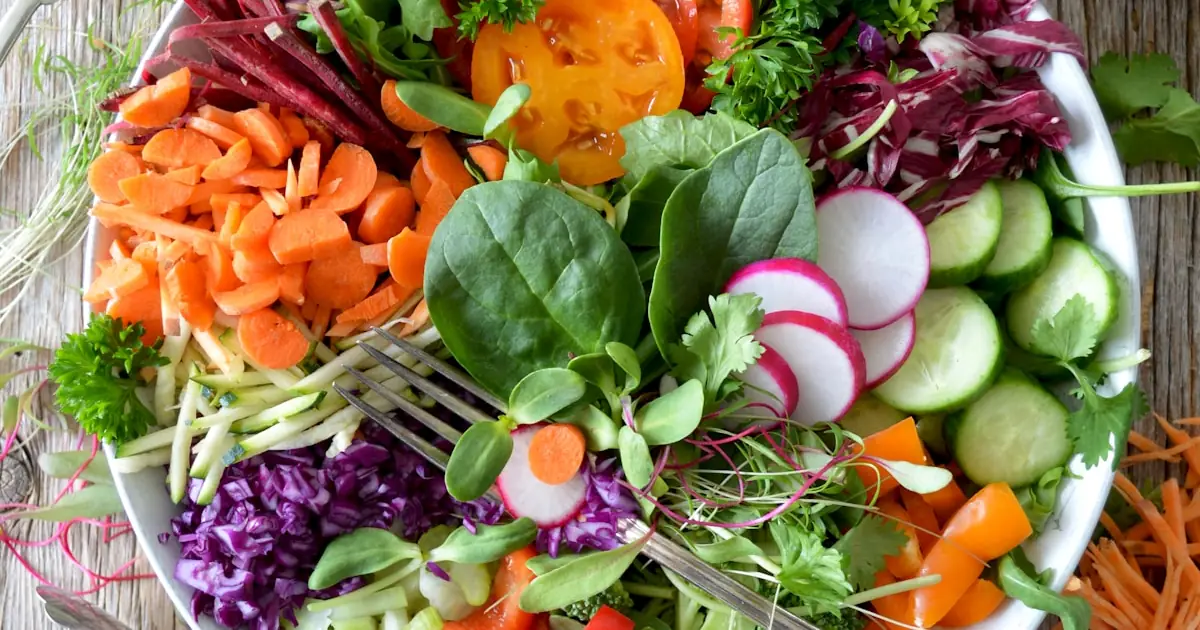
Vegetables provide different amounts of fiber, but eating large portions across the day can add up quickly.
Good options include:
- green peas
- broccoli
- artichokes
- Brussels sprouts
- carrots
- sweet potatoes
- potatoes with skin
- cabbage
- cauliflower
- spinach
Broccoli
A cooked cup provides roughly 5 grams of fiber.
Green Peas
One cooked cup can provide approximately 8 to 9 grams.
Sweet Potato
A medium sweet potato with skin may provide roughly 4 grams.
Carrots
A cup of chopped carrots provides several grams of fiber for relatively few calories.
High-Fiber Breakfast Foods
Breakfast is one of the easiest places to improve fiber intake.
Instead of relying entirely on refined cereal, pastries, or white toast, try combining several fiber sources.
Oatmeal
Oats provide soluble fiber, including beta-glucan.
Add:
- berries
- chia seeds
- ground flax
- nuts
and the fiber content rises quickly.
Whole-Grain Toast
Choose bread where a whole grain appears prominently in the ingredient list.
Pair with:
- avocado
- eggs
- peanut butter
- cottage cheese
High-Fiber Yogurt Bowl
Greek yogurt itself contains essentially no fiber.
But adding:
berries + chia seeds + oats
can turn it into a high-protein, high-fiber breakfast.
Chia Pudding
Chia seeds absorb liquid and become gel-like.
Combine them with milk or fortified plant milk and add berries for additional fiber.
Bean and Egg Breakfast
Beans may not be a traditional breakfast everywhere, but they combine protein and fiber extremely well.
Eggs + black beans + vegetables can make a very filling meal.
High-Fiber Snacks
A high-fiber snack does not have to be a processed “fiber bar.”
Simple whole-food options often work better.
Try:
- apple with peanut butter
- pear with almonds
- berries with Greek yogurt
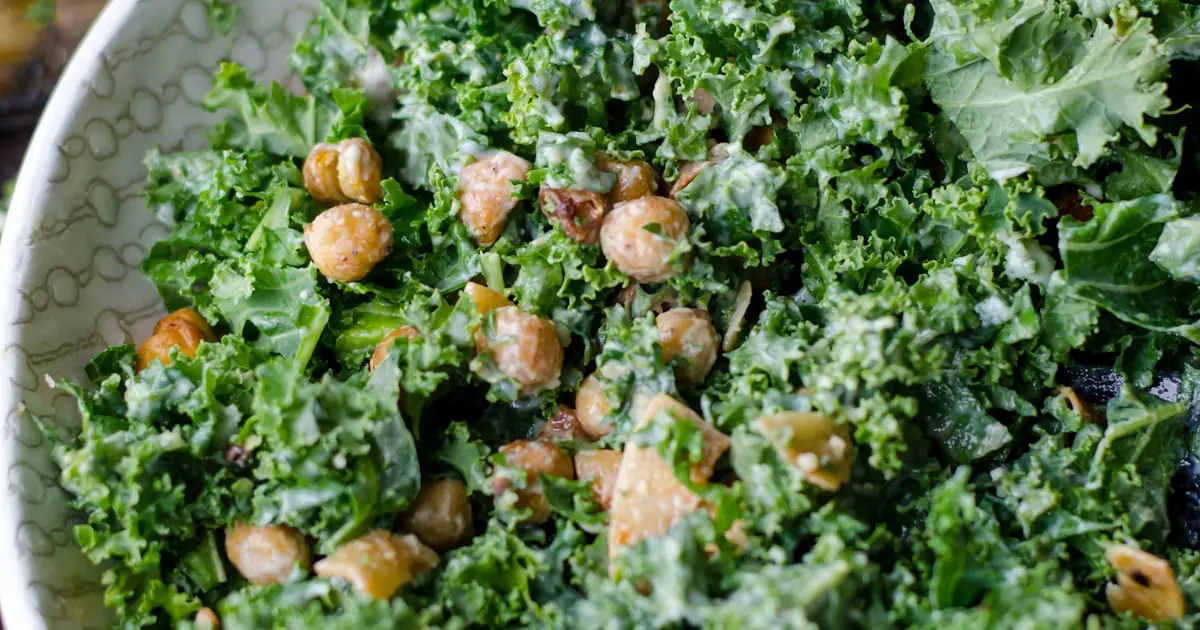
- roasted chickpeas
- carrots with hummus
- whole-grain crackers with hummus
- popcorn
- chia pudding
- edamame
- nuts with fruit
Is Popcorn High in Fiber?
Plain popcorn is a whole grain.
A reasonable serving can provide several grams of fiber.
The nutritional profile changes when it is covered in:
- butter
- caramel
- cheese coatings
- excessive salt
Air-popped or lightly seasoned popcorn can be a practical high-fiber snack.
High-Fiber Low-Calorie Foods
If you want more fiber without dramatically increasing calories, fruits and non-starchy vegetables are especially useful.
Good options include:
- raspberries
- blackberries
- broccoli
- cauliflower
- cabbage
- carrots
- Brussels sprouts
- strawberries
- apples
- pears
Legumes contain more calories but provide much more protein and total fiber.
So “low calorie” should not be the only goal.
Nutrient density and meal satisfaction matter too.
High-Fiber High-Protein Foods
Fiber and protein are an especially useful combination because both can help make meals more substantial.
The best natural foods containing meaningful amounts of both are mostly plant-based.
| Food | Approx. Protein | Approx. Fiber |
|---|---|---|
| Lentils, 1 cooked cup | ~18 g | ~15–16 g |
| Black beans, 1 cup | ~15 g | ~15 g |
| Chickpeas, 1 cup | ~14–15 g | ~12–13 g |
| Edamame, 1 cup | ~17 g | ~8 g |
| Green peas, 1 cup | ~8 g | ~8–9 g |
| Quinoa, 1 cup | ~8 g | ~5 g |
| Chia seeds, 1 oz | ~5 g | ~10 g |
| Almonds, 1 oz | ~6 g | ~3.5 g |
| Peanuts, 1 oz | ~7 g | ~2–3 g |
Quick Answer
If you want a food that is naturally high in both protein and fiber, lentils, beans, chickpeas, and edamame are among the strongest options.
Why Meat Is Not a High-Fiber Food
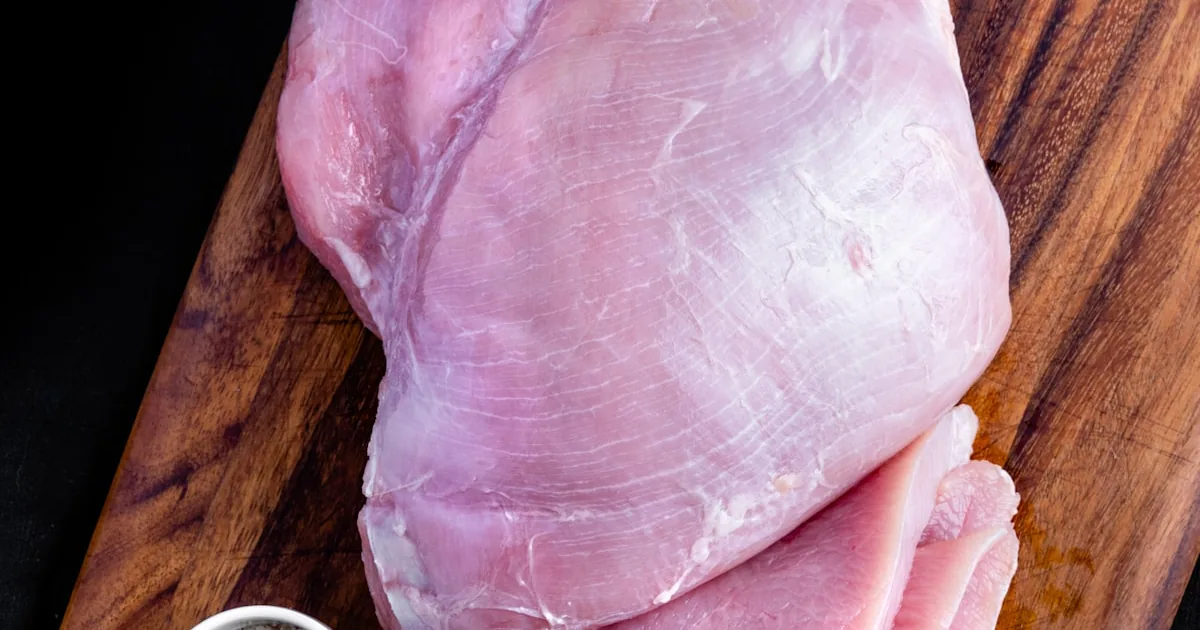
Chicken, beef, turkey, fish, eggs, and most dairy foods can be excellent sources of protein.
But they contain essentially no fiber.
This is why a high-protein diet built almost entirely around meat, eggs, and protein shakes may end up very low in fiber.
A better meal might be:
chicken + lentils + vegetables
rather than:
chicken alone
or:
Greek yogurt + berries + chia seeds
instead of plain yogurt by itself.
Best Fiber Foods for Digestion
Different people respond differently to fiber, so there is no single food that works best for everyone.
Generally useful options include:
Oats
Provide soluble beta-glucan.
Kiwi
Provides fiber and has been studied in relation to regular bowel movements.
Prunes
Contain fiber and naturally occurring sorbitol.
Beans and Lentils
Provide substantial amounts of fermentable and non-fermentable fibers.
Chia Seeds
Absorb water and can contribute to stool bulk.
Vegetables
Provide a mixture of water and fiber.
Whole Grains
Foods such as oats, barley, and whole wheat can help increase total daily fiber.
Can Fiber Help With Constipation?
Adequate fiber can help many people with constipation, but more fiber is not always the answer.
Constipation can have many causes, including:
- low fluid intake
- medications
- low activity
- digestive conditions
- pelvic-floor issues
- inadequate food intake
- changes in routine
Suddenly eating huge amounts of fiber without enough fluid can sometimes worsen discomfort.
Persistent, severe, or unexplained constipation should be discussed with a healthcare professional.
Fiber and Gut Bacteria
Some fibers can be fermented by bacteria in the large intestine.
These fibers may function as prebiotics, meaning they provide substrates that certain beneficial gut bacteria can use.
Foods containing fermentable fibers include:
- onions
- garlic
- oats
- barley
- legumes
- bananas
- asparagus
Fermentation can produce short-chain fatty acids that are involved in normal colon health.
However, highly fermentable foods can also trigger bloating or discomfort in sensitive individuals.
More fermentation is not automatically better for everyone.
Can Eating More Fiber Help With Weight Management?
Fiber may support weight management, but it does not directly burn body fat.
Its value comes mainly from how it changes meals.
High-fiber foods are often:
- more filling
- slower to eat
- less calorie-dense
- higher in food volume
Compare:
whole apple
with:
apple juice
The whole apple provides intact fiber and requires chewing.
The juice can be consumed much faster and usually provides less satiety.
Likewise:
lentils + vegetables
may be more filling than a similarly sized serving of refined carbohydrate.
But weight change still depends on overall calorie balance.
Is More Fiber Always Better for Weight Loss?
No.
Eating 50 grams of fiber does not automatically produce more weight loss than eating 30 grams.
There is also no benefit to making yourself uncomfortable simply to reach the highest possible number.
Adequacy and consistency are more important.
Signs You May Not Be Getting Enough Fiber
Low fiber intake does not always create obvious symptoms.
However, possible signs may include:
- infrequent bowel movements
- hard stools
- difficulty passing stool
- meals that feel unsatisfying
- very low intake of fruits and vegetables
- very little whole-grain food
- rarely eating legumes
These signs are not specific enough to diagnose a fiber deficiency.
Constipation and digestive symptoms can occur for many reasons.
A Simple Way to Check Your Diet
Think about what you ate yesterday.
Did you eat:
fruit?
vegetables?
beans or lentils?
whole grains?
nuts or seeds?
If almost all your food came from meat, cheese, white bread, refined snacks, and sugary drinks, your fiber intake was probably not very high.
How to Increase Fiber Intake Safely
The biggest mistake is going from very little fiber to huge amounts overnight.
Your digestive system often needs time to adapt.
Step 1: Increase Gradually
Add a few grams at a time.
For example:
Week one: add one piece of fruit daily.
Week two: replace one refined grain with a whole grain.
Week three: add beans or lentils several times per week.
This is often easier than suddenly adding bran to every meal.
Step 2: Drink Enough Fluid
Fiber interacts with water in the digestive system.
Adequate hydration is particularly important when increasing intake.
Your fluid requirements depend on body size, climate, exercise, food intake, and health conditions.
Step 3: Add Legumes Slowly
Beans and lentils are excellent foods, but suddenly eating two cups of beans after rarely eating legumes can produce a lot of gas.
Start with smaller portions.
Step 4: Spread Fiber Across the Day
You do not need to eat 25 grams of fiber at dinner.
A more comfortable pattern might be:
Breakfast: oats + berries
Lunch: whole-grain wrap + vegetables
Snack: apple + almonds
Dinner: lentils + vegetables + rice
Step 5: Pay Attention to Your Body
A food can be nutritious and still not feel good for everyone.
Some people with digestive conditions may need individualized fiber recommendations.
What Happens When You Increase Fiber Too Quickly?
Common effects include:
- gas
- bloating
- abdominal pressure
- cramping
- loose stools
- constipation if fluid is inadequate
These symptoms do not necessarily mean fiber is unhealthy.
They may simply mean the increase happened too fast.
Does Cooking Reduce Fiber?
Cooking does not normally remove most of the fiber from a vegetable.
The structure may soften, but much of the fiber remains.
Peeling, juicing, or heavily refining food can reduce fiber more substantially.
For example:
Whole apple
Contains meaningful fiber.
Peeled apple
Contains somewhat less.
Apple juice
Contains very little intact fiber.
Whole Grains vs Refined Grains for Fiber
Whole grains retain the bran, germ, and endosperm.
Refined grains have much of the bran and germ removed.
That usually lowers fiber.
Examples of whole-grain foods include:
- oatmeal
- barley
- brown rice
- whole-wheat bread
- whole-grain pasta
- bulgur
- quinoa
- popcorn
Refined grains are not automatically forbidden, but making whole grains a regular part of your diet can help increase fiber.
Fiber-Rich Foods for a High-Protein Diet
If you are intentionally eating high protein, fiber deserves extra attention.
A high-protein meal could include:
Option 1
Chicken breast
Black beans
Roasted vegetables
Option 2
Greek yogurt
Raspberries
Chia seeds
Option 3
Salmon
Quinoa
Broccoli
Option 4
Eggs
Whole-grain toast
Avocado
Vegetables
Option 5
Tofu
Edamame
Brown rice
Mixed vegetables
These meals provide protein without sacrificing fiber.
Best Foods Rich in Both Protein and Fiber
For people who want both nutrients in the same food, prioritize:
Lentils
One of the strongest combinations of plant protein and fiber.
Beans
Black beans, kidney beans, navy beans, and pinto beans all provide both.
Chickpeas
Useful in curries, salads, hummus, soups, and roasted snacks.
Edamame
Provides complete soy protein plus fiber.
Peas
Higher in protein and fiber than many vegetables.
Chia Seeds
Very high in fiber with a moderate amount of protein.
Nuts and Seeds
Provide protein, fiber, and healthy fats, although they are calorie-dense.
Fiber Supplements vs Food
Fiber supplements can be useful in certain situations, but food offers more than isolated fiber.
A cup of lentils provides:
- fiber
- protein
- iron
- folate
- potassium
- other nutrients
An apple provides:
- fiber
- vitamin C
- water
- plant compounds
A fiber supplement may provide mainly fiber.
That does not make supplements bad.
It simply means they should not automatically replace fiber-rich foods when whole-food options are practical.
Frequently Asked Questions
The Bottom Line
Fiber is one of the most useful nutrients to improve when building a healthier overall diet.
Some of the strongest sources include lentils, beans, chickpeas, chia seeds, berries, pears, avocados, peas, broccoli, oats, barley, whole grains, nuts, and seeds.
Fiber comes in different forms.
Soluble fiber can form a gel and may support healthy cholesterol, blood sugar responses, and gut bacteria.
Insoluble fiber helps provide stool bulk and supports movement through the digestive system.
For many adults, roughly 25 to 38 grams per day is a useful general range, although individual needs vary.
If your intake is currently low, do not try to reach that target overnight.
Increase fiber gradually, drink adequate fluid, and spread fiber-rich foods across the day.
For people following high-protein diets, legumes deserve particular attention because foods such as lentils, black beans, chickpeas, and edamame provide meaningful amounts of both protein and fiber.
And remember that the goal is not to find one perfect high-fiber food.
A much better approach is to regularly eat a mixture of:
fruit + vegetables + legumes + whole grains + nuts and seeds.
That naturally gives you different types of fiber along with vitamins, minerals, protein, healthy fats, and other nutrients.